


Understanding the Three Types of Karma
Karma is a profound concept in Hinduism. It represents the law of cause and effect. Every action, thought, and intention contributes to one’s karma.
In Hindu philosophy, karma is not just about actions. It also encompasses thoughts and intentions. This makes it a comprehensive guide for ethical living.
There are three types of karma in Hinduism. These are Sanchita, Prarabdha, and Agami. Each type plays a unique role in shaping one’s life journey.
Sanchita Karma is the accumulated karma from past lives. It acts like a karmic bank account. Prarabdha Karma is the portion of Sanchita that is ready to be experienced now.
Agami Karma is the karma we create in our current life. It will influence our future lives. Understanding these types helps us navigate life’s challenges.
Karma is closely linked to dharma. Dharma refers to one’s duty and righteousness. Together, they guide individuals toward a harmonious life.
The concept of karma encourages personal responsibility. It emphasizes the importance of making conscious choices. This understanding can lead to spiritual growth and enlightenment.
Karma is not just a religious concept. It is a universal law that applies to all beings. It encourages ethical living and mindfulness in daily life.
What Is Karma? The Foundation of Cause and Effect
Karma is central in Hinduism, representing life’s cause and effect. It teaches that every action produces a reaction. This principle extends to thoughts and intentions, influencing future outcomes.
The concept is not limited to physical actions. Thoughts and intentions are also crucial. This highlights the importance of mindfulness in life.
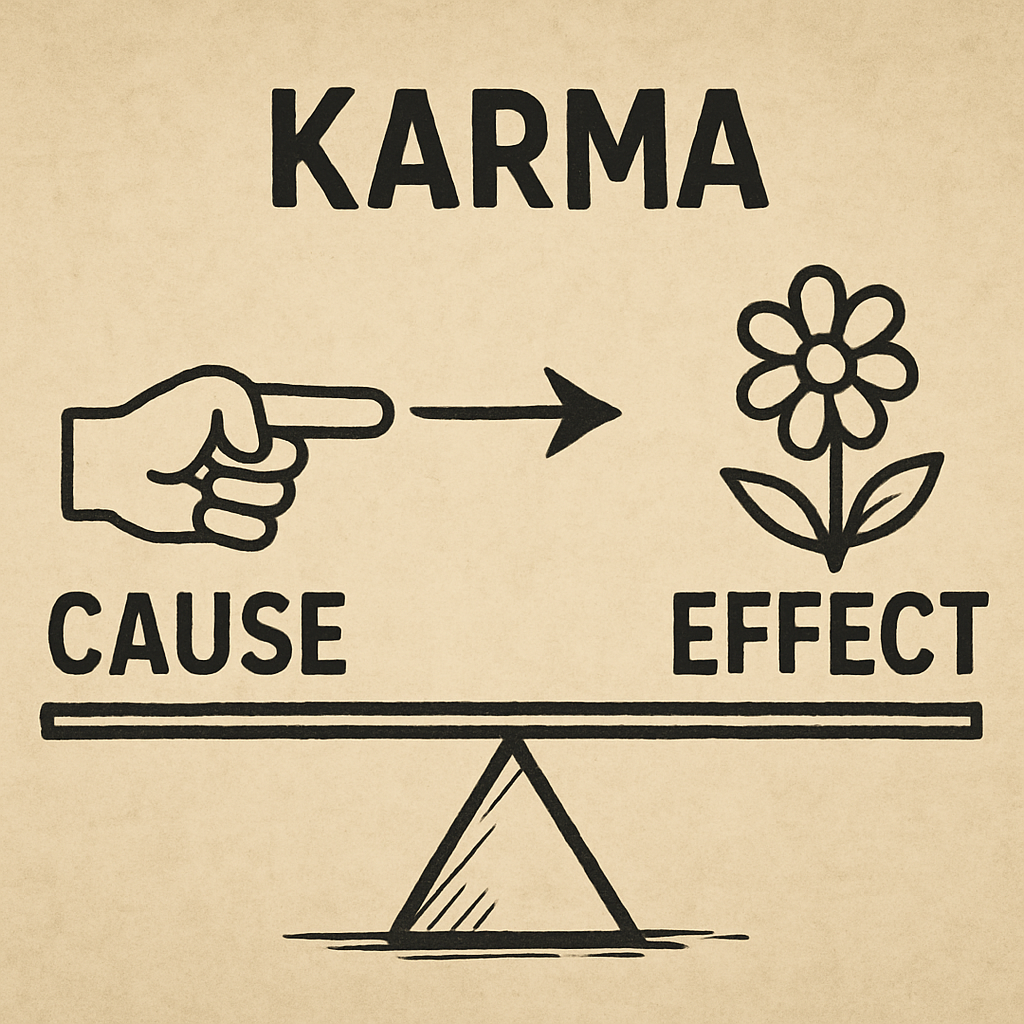
Karma promotes personal accountability. It underscores that actions influence one’s future. This offers a framework for ethical and conscious living.
Key ideas about karma include:
- All actions have consequences.
- Karma encompasses thoughts and intentions.
- It operates impartially, without bias.
This principle is deeply ingrained in Hindu philosophy. It guides individuals toward making ethical choices. Understanding karma helps create a balanced life.
Karma and Dharma: The Interconnected Pathways
Karma and dharma are two interconnected principles in Hinduism. Karma focuses on the effects of our actions, while dharma emphasizes one’s duty. Living in alignment with dharma can result in positive karma.
Dharma is about fulfilling moral and societal responsibilities. It varies according to one’s stage in life and role in society. By following dharma, individuals can positively influence their karma.
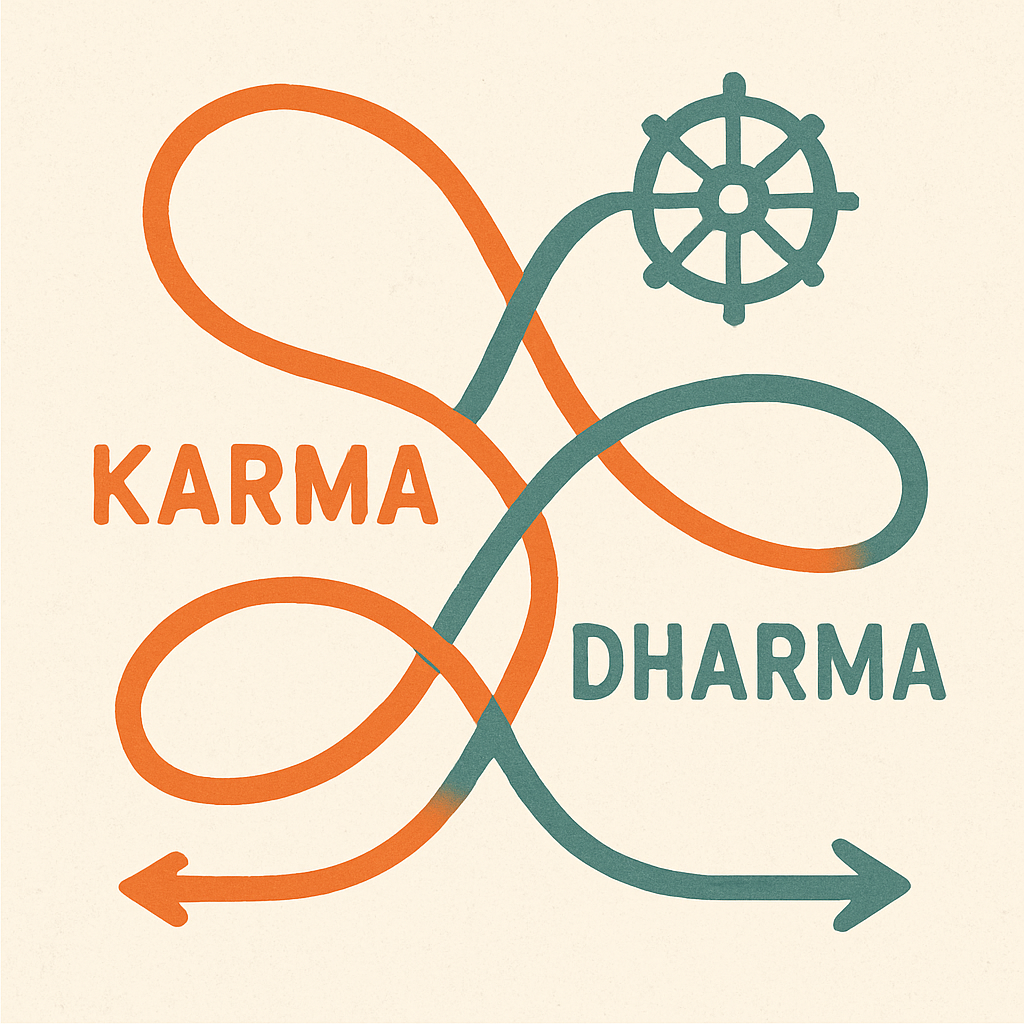
The relationship between karma and dharma is pivotal. Together, they guide individuals toward spiritual and ethical living. They help determine the right actions in various life situations.
Key points include:
- Dharma represents duty and righteousness.
- Karma reflects the outcomes of actions and intentions.
- Aligning with dharma leads to positive karma.
Understanding these relationships enhances self-awareness. It encourages actions that promote spiritual growth. This wisdom is integral to leading a purposeful life.
The Three Types of Karma in Hinduism
In Hinduism, karma is understood through three types: Sanchita, Prarabdha, and Agami. Each type influences life in unique ways.
These types of karma explain life’s complexities. They highlight how past, present, and future actions connect. Here’s a brief overview:
- Sanchita Karma: Past actions accumulated over lifetimes.
- Prarabdha Karma: Present life experiences drawn from Sanchita Karma.
- Agami Karma: Current actions affecting future existences.
Each type shapes life’s path differently. Together, they form a complete understanding of karma in Hinduism.
Sanchita Karma: The Accumulated Past
Sanchita Karma represents all past actions collected over lifetimes. It is like a vast reservoir of karma stored in the soul. These actions are waiting to unfold and influence future lives.
Sanchita Karma encompasses both good and bad deeds. It accumulates from many reincarnations and directly impacts one’s spiritual journey. Understanding this karma helps individuals recognize the weight of past actions.
It is not something that can be easily eliminated. However, spiritual practices can lighten its burden. This is why Sanchita Karma is often compared to a karmic bank account—always present yet manageable.

By becoming aware of Sanchita Karma, individuals can consciously work towards spiritual growth. Acceptance and mindfulness are key in dealing with past karmic debts.
Prarabdha Karma: The Karma of the Present Life
Prarabdha Karma refers to the karma that is ripe for fruition. It is the portion of Sanchita Karma experiencing currently in life. This karma dictates life events, joys, and challenges that one faces now.
Unique to each individual, Prarabdha Karma explains different life circumstances. It represents the irreversible consequences of past actions. Accepting its influence is essential to understanding life’s unfolding.
Even though Prarabdha Karma is playing out, responses to it can be conscious. Every reaction to life’s events can generate new karma, impacting future experiences. Thus, mindfulness is crucial.

Dealing with Prarabdha Karma involves patience and ethical living. It teaches acceptance of life’s realities and encourages growth through challenges. This karma is a key player in shaping character and personal evolution.
Agami Karma: The Karma We Create Now
Agami Karma is the karma formed through current thoughts and actions. It represents future potential and is created moment by moment. Every decision now adds to this store of karma.
Unlike the other types, Agami Karma is fully within one’s control. It empowers individuals to mold their future lives. By understanding its significance, one learns the importance of intentional living.
Actions driven by positive intentions create beneficial Agami Karma. This ongoing cycle of karma creation emphasizes personal responsibility. As one acts in alignment with dharma, they nurture harmony for future lives.

Agami Karma embodies hope and change. It allows for the conscious direction of one’s spiritual path. By focusing on creating good karma, life becomes a reflection of intentional choices and purposeful actions.
How the Three Types of Karma Shape Our Lives
The interplay of Sanchita, Prarabdha, and Agami Karma determines life’s path. Each type influences personal growth and opportunities.
Their combined effects provide insights into why individuals face various life events. This triad of karma helps understand the balance between destiny and free will.
A clear understanding can lead to mindful actions. Key points include:
- Sanchita Karma sets the foundational base.
- Prarabdha Karma reflects current life challenges.
- Agami Karma forecasts future outcomes based on present actions.

By acknowledging these connections, individuals can navigate life’s intricacies with wisdom. This understanding fosters a compassionate and balanced approach to life’s ups and downs. Ultimately, embracing the influence of karma cultivates a purposeful and thoughtful existence.
Karma in Ancient India and Hindu Scriptures
Karma has been a cornerstone of Hindu philosophy since ancient times. It has profoundly shaped spiritual and cultural practices across India.
Hindu scriptures like the Bhagavad Gita offer deep insights into karma. These texts emphasize the moral implications of actions and their effects across lifetimes.
Key points from Hindu scriptures include:
- Karma relates to actions, thoughts, and intentions.
- Dharma is closely connected, guiding righteous living.
- The cycle of karma impacts spiritual progress.

Karma’s presence in these ancient texts highlights its enduring significance. This timeless concept continues to inspire ethical living and spiritual reflection in modern times. Understanding its roots enriches one’s spiritual journey today.
Common Misconceptions: Karma, Fate, and Free Will
Karma is often mistaken for fate. However, it’s about action and consequence, not predestined outcomes.
Free will plays a vital role in karma. Our choices shape our future experiences.
Common misconceptions include:
- Karma is the same as fate.
- Karma means instant retribution.
- Karma excludes personal agency.
Recognizing these misconceptions clarifies karma’s true nature. It’s not a fate we can’t escape. Instead, it’s an opportunity for empowerment through intentional action. By understanding this, we appreciate the balance between free will and the karma generated by our decisions.
The Role of Karma in Spiritual Growth and Liberation
Karma is central to spiritual growth, guiding individuals toward a life of integrity. It teaches us the importance of mindful action and its impact on our spiritual journey.
Achieving liberation, or moksha, involves transcending the cycle of karma. This liberation is the ultimate aim of spiritual practice in Hinduism.
Key points in spiritual growth include:
- Recognizing the importance of ethical living.
- Understanding the consequences of actions.
- Prioritizing self-awareness and reflection.

By aligning actions with dharma, practitioners grow spiritually and draw closer to enlightenment. Karma serves as both a guide and a mirror, reflecting the lessons essential for personal evolution. Ultimately, these lessons can lead to liberation and a deeper connection with the divine.
Practical Ways to Cultivate Good Karma
Cultivating good karma enriches your life and fosters positive growth. By being mindful in daily actions, you align more closely with your dharma. Small, consistent efforts lead to profound changes over time.
Here are several ways to enhance good karma:
- Practice kindness and compassion toward others.
- Engage in selfless service or volunteer work.
- Reflect on actions and intentions daily.
By consciously choosing these actions, you nurture good karma and create a ripple effect of positivity. This commitment to positive change influences not just yourself, but the world around you.
Embracing Karma for a Meaningful Life
Embracing karma involves more than understanding its types; it’s about integrating its principles into your life. Awareness of karma encourages living with intentionality and wisdom.
By aligning your actions with your dharma, you forge a path toward fulfillment and harmony. This understanding helps cultivate a life rich in meaning and connection, guiding you toward spiritual growth and enlightenment.