

India is a land where the ancient and the modern seamlessly coexist. Beneath the surface of its bustling tech hubs and vibrant festivals lies a rich, shadowy tapestry of myth and folklore that has captivated minds for millennia. From the sacred verses of the Vedas to whispers shared around village campfires, India’s supernatural landscape is teeming with gods, demons, and entities that blur the line between reality and the unexplained.
Let’s embark on a journey through the Indian subcontinent to meet 10 of its most fascinating supernatural beings.
Quick Guide to India’s Mythological Denizens
| Creature | Type | Nature | Primary Attribute |
|---|---|---|---|
| Naga | Serpent Deity | Neutral / Protective | Guardians of water and hidden treasure |
| Chudail | Demonic Spirit | Malevolent | Inverted feet; preys on unfaithful men |
| The Nishi | Phantom Caller | Malevolent | Lures victims by mimicking loved ones’ voices |
| Rākshasa | Shape-shifting Demon | Mostly Malevolent | Warriors of darkness; consumers of raw flesh |
| Pret | Wandering Ghost | Anguished | Trapped by unfulfilled desires or improper rites |
| Yaksha | Nature Spirit | Benevolent / Neutral | Guardians of the earth’s hidden wealth |
| Kinnar | Celestial Musician | Benevolent | Half-human, half-animal masters of melody |
| Vetala | Vampire / Ghoul | Neutral / Trickster | Inhabits corpses; tests human wit with riddles |
| Asura | Cosmic Titan | Antagonistic | Driven by pride, power, and ego |
1. The Naga: Divine Serpent Deities
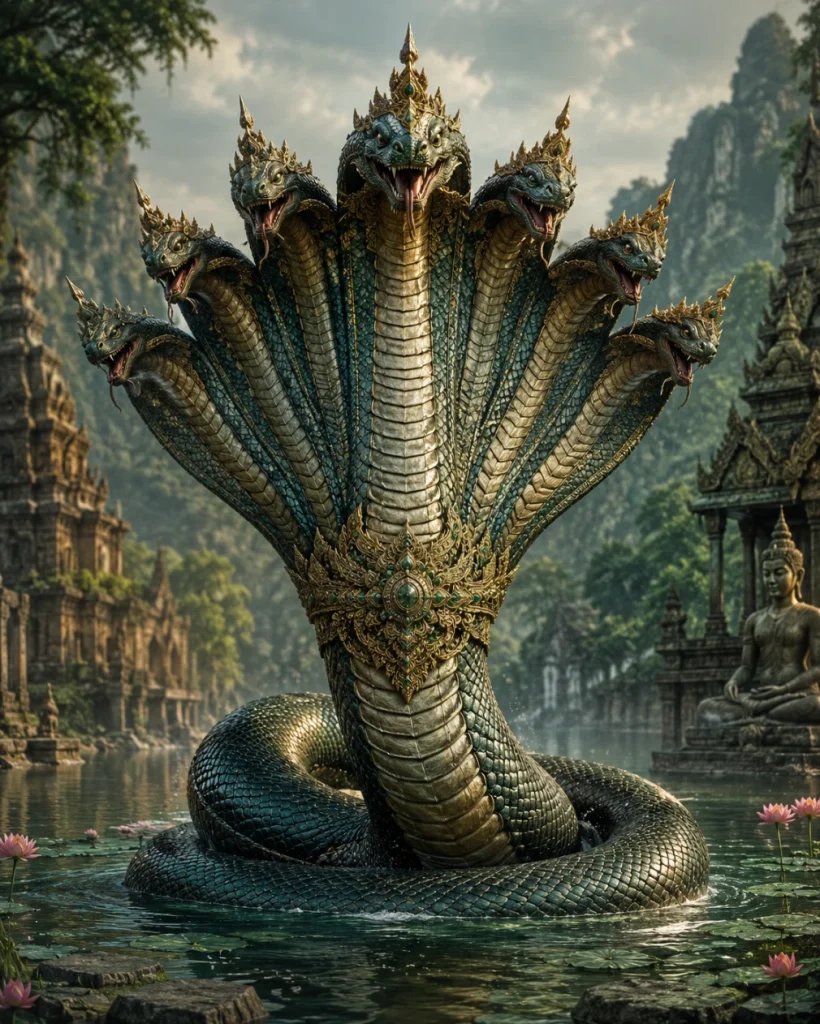
Nagas are powerful, semi-divine serpent beings prominent in Hindu, Buddhist, and Jain traditions. Residing in the magnificent underground kingdom of Patala, they are often depicted with a human upper body and a majestic serpent lower body.
- Guardians of the Deep: Nagas are the absolute keepers of the earth’s treasures—rivers, lakes, oceans, and hidden gems.
- Symbols of Fertility: They control the rains. A pleased Naga brings bountiful harvests, while an angered one unleashes devastating floods or droughts.
- Cultural Impact: Naga worship remains deeply vibrant today, especially during the festival of Nag Panchami, and across Northeast India, where they are revered as ancestral protectors.
2. Chudail: The Spirit of Retribution
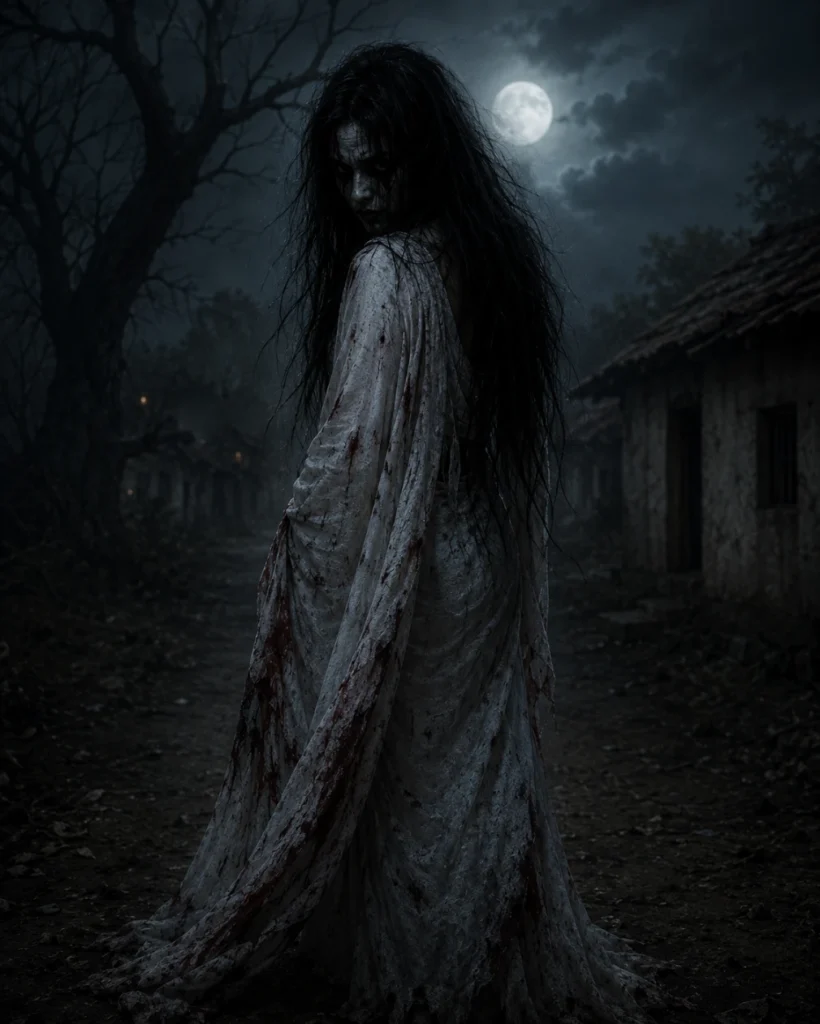
Perhaps the most feared entity in South Asian urban legends, the Chudail is the vengeful ghost of a woman who died in childbirth or suffered severe injustice at the hands of her family or society.
- The Tell-Tale Sign: A Chudail can shape-shift into a mesmerizingly beautiful woman to lure unsuspecting men to their doom. However, she can never alter one terrifying feature: her feet are completely inverted (backward).
- The Moral Subtext: Folklore often serves as a mirror to society. The legend of the Chudail traditionally acted as a dark cautionary tale, warning men against the mistreatment and abandonment of women.
3. The Nishi: The Phantom Voice of the Night
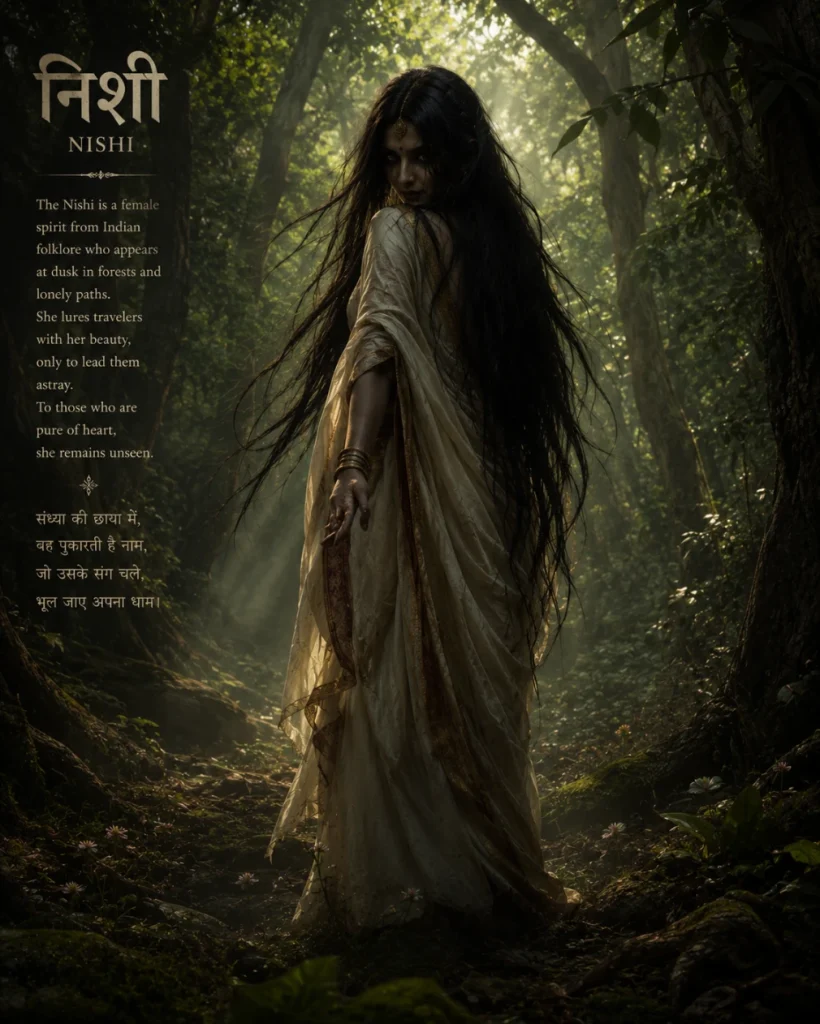
Deep in the folklore of Bengal and parts of Eastern India walks the Nishi (or Night Caller), a terrifying spirit that never attacks by brute force, but rather through psychological deception.
- The Deadly Mimic: The Nishi operates strictly in the dead of night. It approaches a house and calls out a person’s name using the exact voice of their mother, spouse, or friend.
- The Rule of Three: According to lore, the Nishi will only call out a name twice. If a person answers or steps outside, they fall into a trance, wander into the darkness, and are never seen alive again. To this day, rural superstition dictates never answering a night call until your name has been shouted a third time.
4. Rākshasa: The Shape-Shifting Titans
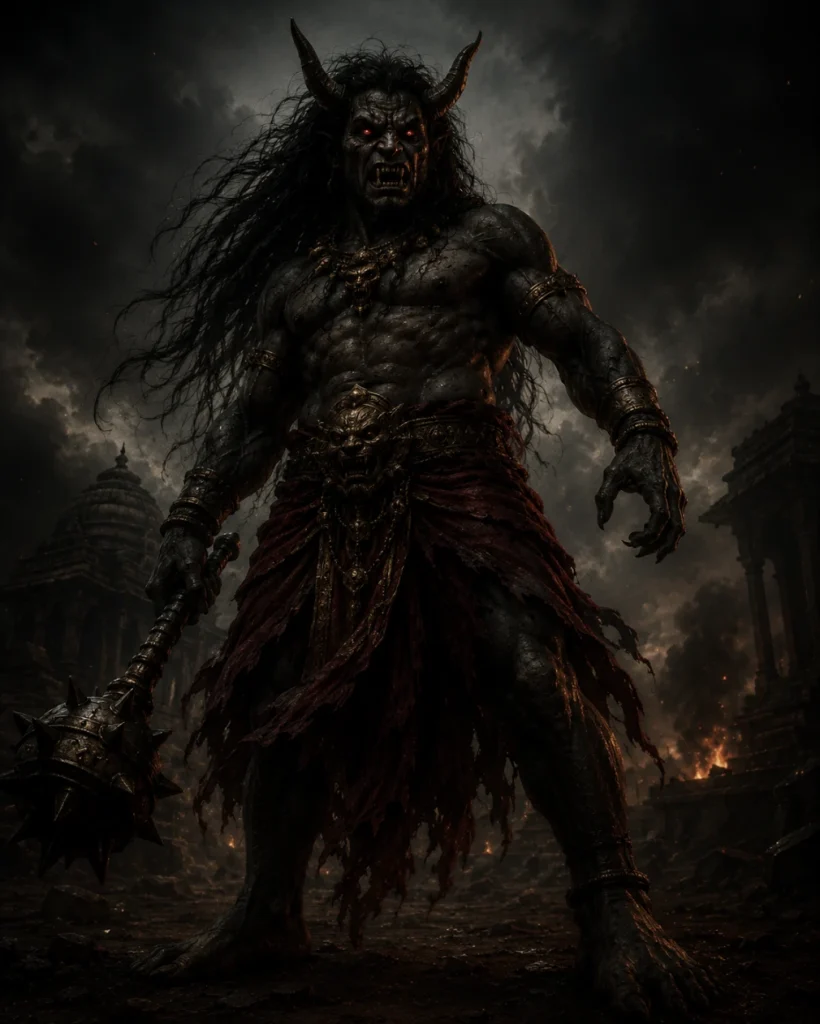
Familiar to anyone who has read the ancient epics The Ramayana or The Mahabharata, Rākshasas are powerful, fierce beings created from Brahma’s breath to guard the primeval waters, though many turned to chaos.
- Masters of Illusion: They possess Mayavi powers—the ability to change their size, shape, and appearance at will, often turning into beautiful illusions to deceive their enemies.
- Night Walkers: Their strength multiplies tenfold after the sun sets, making them fierce warriors of the dark. While often branded purely as “demons,” figures like Vibhishana prove that Rākshasas were capable of great righteousness and devotion.
5. Pret: The Hungry Ghosts
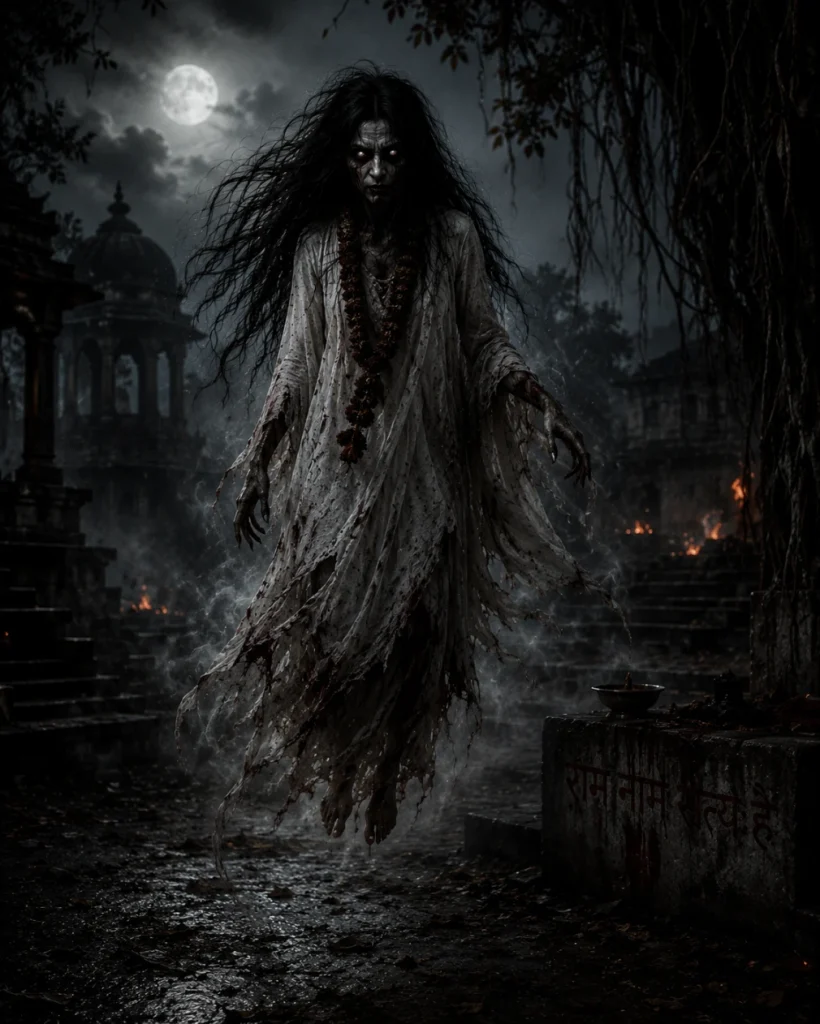
A Pret (or Preta) is a tragic, wandering spirit of a deceased human. They are souls trapped in a state of purgatory, unable to move on to the afterlife.
- The Curse of Insatiability: They are often depicted with bloated stomachs but pinhole-sized throats, leaving them in a state of eternal hunger and thirst, symbolizing their unfulfilled earthly desires.
- The Importance of Rituals: In Indian culture, the existence of a Pret emphasizes the vital importance of Shraadh (funeral rites). If a family fails to perform proper death rituals, the soul of the departed is believed to become a Pret, clinging to the living out of anguish.
6. The Ghosts of Cursed Ruins: Bhangarh and Kuldhara
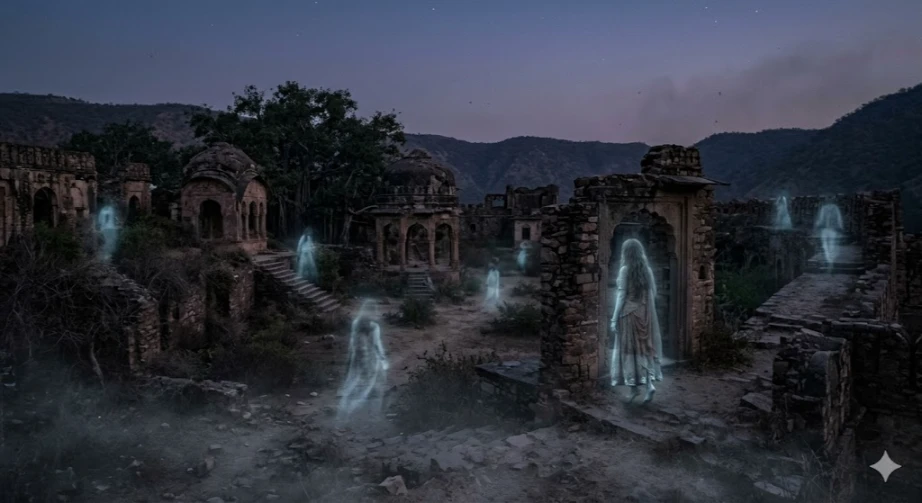
While individual spirits are terrifying, entire locales in India are etched into folklore as cursed zones. The most famous of these are Bhangarh Fort and the abandoned village of Kuldhara in Rajasthan.
- The Shadow of Bhangarh: Legend says a black magic sorcerer cursed the fort town after being rejected by the local princess. Today, it is legally recognized as one of the most haunted places in Asia; the Archaeological Survey of India strictly prohibits anyone from entering the ruins between sunset and sunrise.
- The Vanishing Village: Nearby Kuldhara saw an entire population of Paliwal Brahmins vanish overnight in the 19th century to escape a tyrannical minister, leaving behind a curse that ensures no one can ever successfully resettle the land.
7. The Kinnar: Celestial Musicians
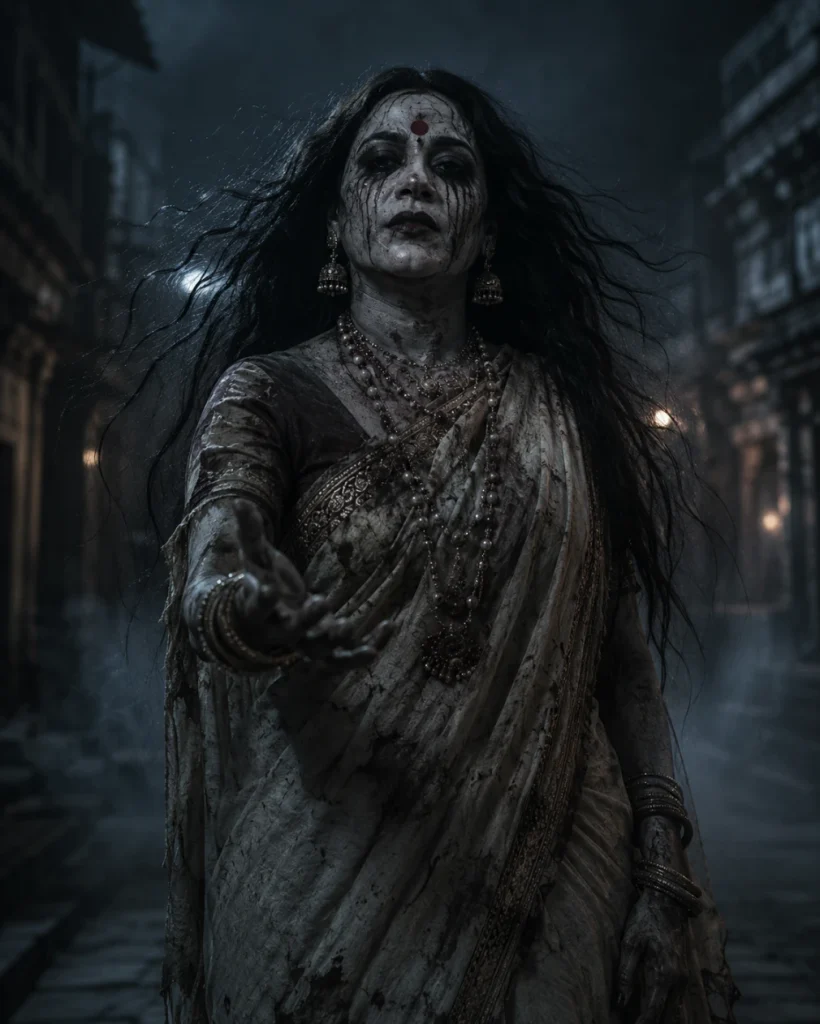
In stark contrast to malevolent ghosts, the Kinnars are exotic, benevolent celestial beings residing in the higher realms of the Himalayas alongside the gods.
- Artistic Perfection: Mentioned alongside Gandharvas, Kinnars are the ultimate masters of music, dance, and song, often depicted as half-human and half-bird or horse.
- A Legacy of Inclusivity: Mythologically, Kinnars embody a fluid blend of masculine and feminine energies. In modern India, the transgender community is respectfully referred to as the Kinnar community, drawing a direct spiritual lineage to these revered, ancient celestial beings.
8. The Yaksha: Guardians of the Earth
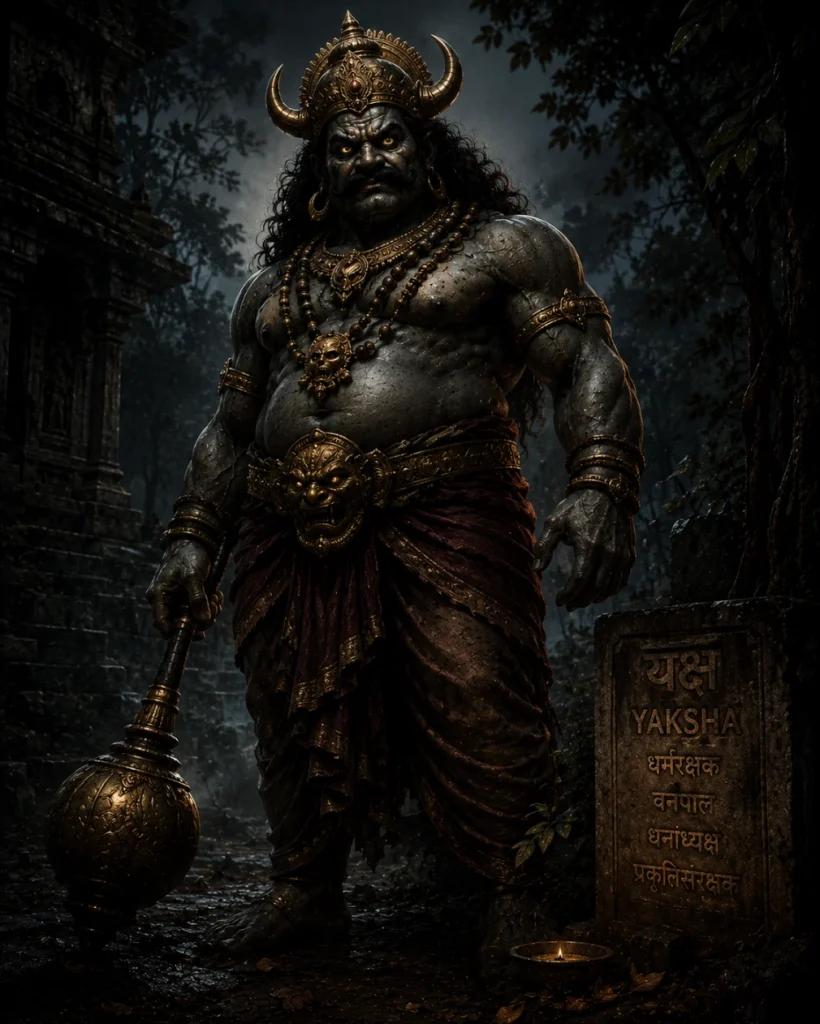
Yakshas (and their female counterparts, Yakshinis) are nature spirits who dwell in the deep forests, majestic mountains, and sacred trees of India.
- The Dual Nature: They are dual-natured. If respected, they are fiercely benevolent, granting wealth, health, and fertility to humans. If their forests or treasures are desecrated, they become merciless monsters.
- The Famous Riddle: In the Mahabharata, a Yaksha famously challenges the righteous prince Yudhishthira to a game of cosmic riddles at a magical pool, testing his wisdom under the threat of death.
9. The Vetala: The Corpse-Hanging Vampire
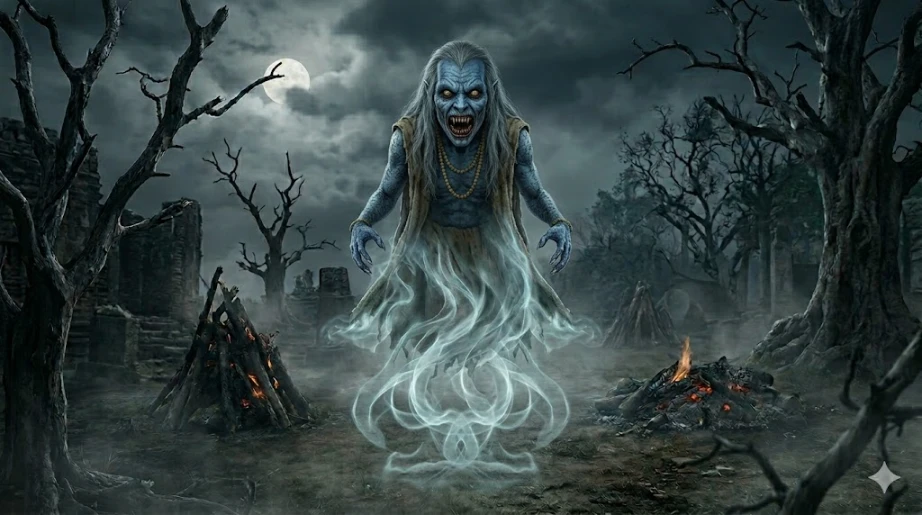
The Vetala is an independent, intelligent spirit that does not possess a living body, but rather reanimates human cadavers.
- The Ultimate Trickster: Unlike Western vampires who drink blood for sustenance, the Vetala uses dead bodies as a vessel to play psychological games with humans. It is completely unhindered by the laws of space and time, possessing deep knowledge of the past, present, and future.
- The King and the Ghoul: The Vetala is immortalized in the Baital Pachisi (Tales of the Vampire), where it hangs upside down from a tree, repeatedly challenging King Vikramaditya with complex moral and philosophical riddles.
10. The Asura: The Cosmic Anti-Gods
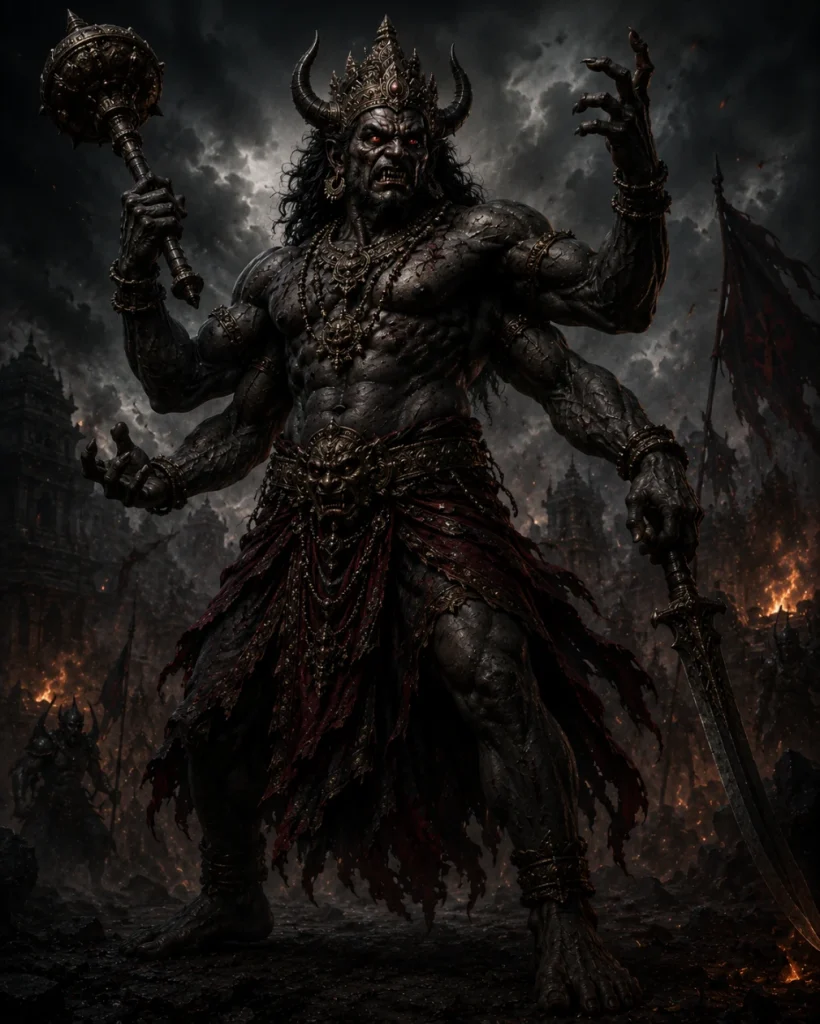
Often mistranslated simply as “demons,” Asuras are actually a powerful class of cosmic titans. They are the step-brothers and eternal rivals of the Devas (Gods), locked in a perpetual tug-of-war for control of the heavens.
- Driven by Ego: Asuras are not inherently ugly or evil; many were incredibly handsome, brilliantly intelligent, and deeply religious scholars. Their downfall was almost always Ahankar (blinding pride, ego, and an obsession with material power).
- The Cosmic Balance: The eternal battles between Devas and Asuras are not just fantasy action stories; they serve as allegories for the psychological battle raging within every human being between our higher virtues and our baser desires.
Final Thoughts: Why These Stories Matter
India’s supernatural ecosystem is not just a collection of campfire horror stories; it is a profound map of human psychology, morality, and cultural history. Whether it is the Chudail warning against injustice, the Pret reminding us to honor our ancestors, or the Asura cautioning us against ego, every creature carries a lesson.
As India races toward a high-tech future, keeping these folklore traditions alive ensures we don’t lose touch with the enchanting, mysterious roots that make the subcontinent’s culture so uniquely mesmerizing.