

Understanding the True Appearance of Demons
Demons have fascinated and terrified humans for centuries. Their appearance is shrouded in mystery and intrigue.
Different cultures and religions offer varied descriptions of these enigmatic beings. From biblical texts to modern interpretations, demons are depicted in many ways.
In the Bible, demons are often associated with evil spirits or fallen angels. Yet, their physical descriptions are sparse and open to interpretation.
Across cultures, demons can be grotesque, monstrous, or even deceptively beautiful. Their characteristics often reflect human fears and vices.
This article explores the true appearance of demons. We delve into biblical accounts, cultural interpretations, and artistic depictions. Understanding demons requires examining both ancient texts and modern perspectives.
The Origins of Demon Imagery
The roots of demon imagery are ancient and varied. Cultures worldwide have envisioned them in unique forms.
Many ancient myths and legends featured supernatural beings. These beings often had qualities later associated with demons.
As societies evolved, so did their interpretations of evil and good. This influenced how demons were perceived and depicted.
Some common origins of demon imagery include:
- Ancient gods transformed into demons by new religions.
- Mythical beasts embodying chaos and destruction.
- Spirits that personify natural disasters and human fears.
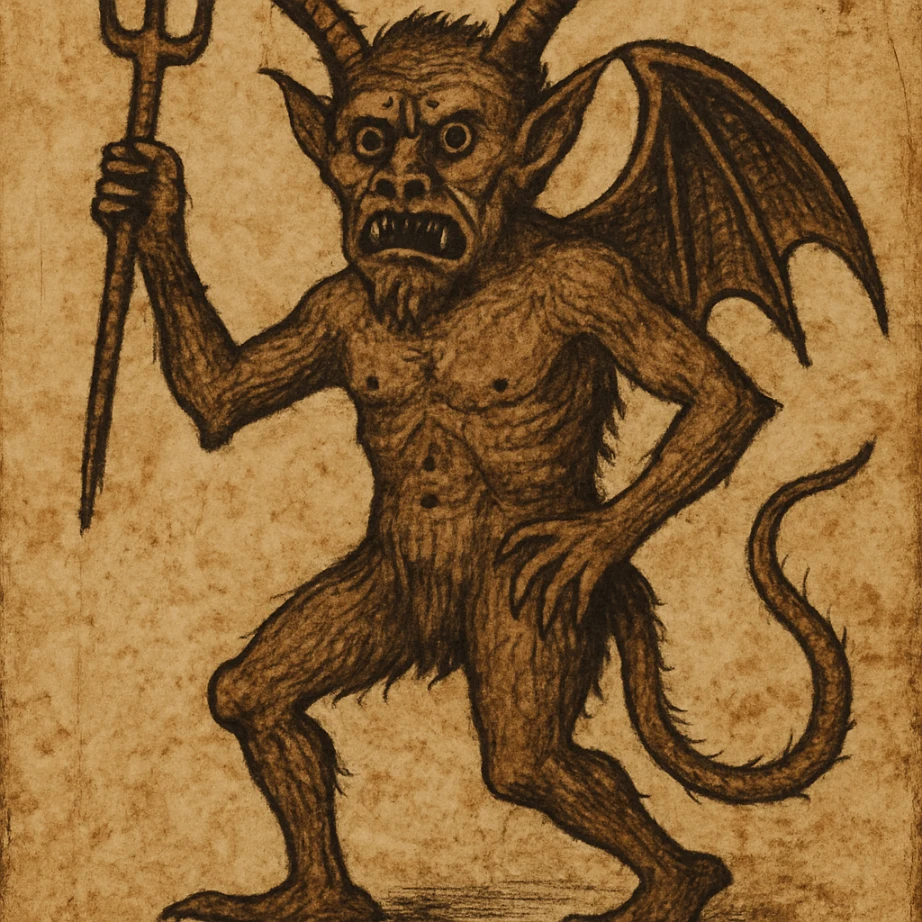
Demon characteristics often mirror the cultural fears of their time. In some cases, they served as explanations for unexplainable events. These events could be natural disasters or personal misfortunes.
As new religions emerged, they adapted earlier demon concepts. This adaptation was part of establishing spiritual authority and moral narratives.
Understanding demons’ origins reveals a complex tapestry. It is a mix of folklore, religion, and human psychology. The study of these origins offers insight into how societies deal with the unknown and the feared.
Demons in the Bible: What Do They Really Look Like?
In the Bible, demons are acknowledged but rarely described in detail. These beings appear mostly as fallen angels or evil spirits. They influence people, steering them away from God’s path.
Biblical demons often show malevolent intent. They inhabit passages that highlight battles between good and evil. Despite their formidable nature, their appearances are left largely to interpretation.
The Bible uses various symbols and images to convey demons:
- Fallen angels cast from heaven.
- Spirits capable of possession and torment.
- Agents of chaos and temptation.
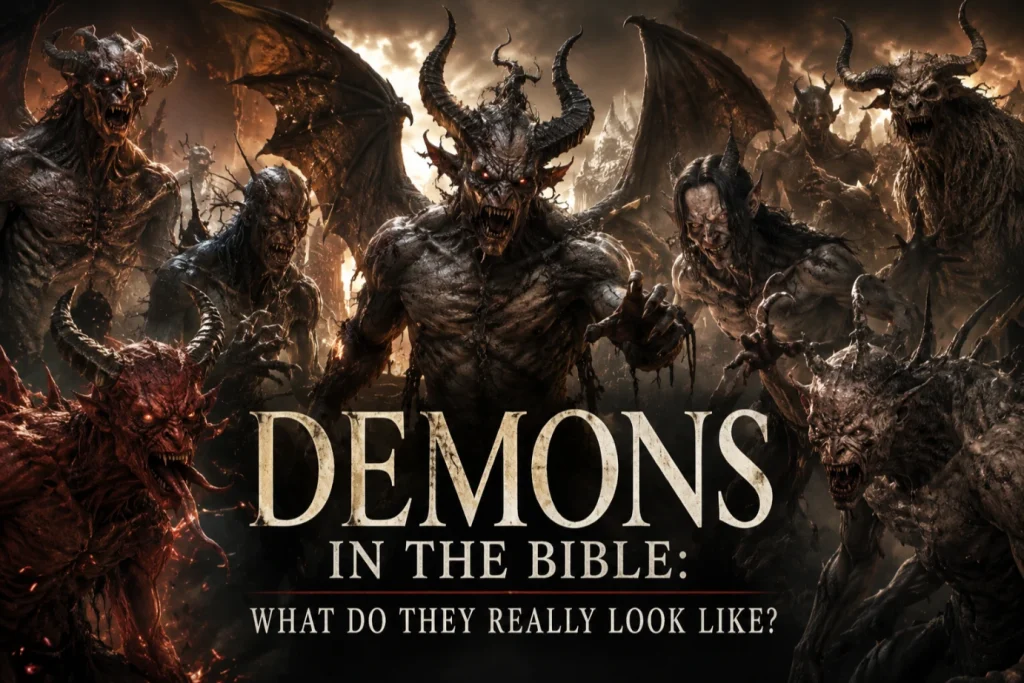
In the Book of Revelation, vivid imagery emerges. Demons take monstrous forms, aligning with apocalyptic visions. Here, beasts with many heads and horns represent potent adversaries.
Culturally, biblical demons have grown into complex figures. Their depictions range from grotesque to seductive. This complexity reflects an ongoing struggle between morality and immorality.
Some texts suggest demons possess shapeshifting abilities. This lack of a fixed form adds to their mystique. It enhances the fear of an unseen enemy. Understanding biblical demons requires deciphering these allegorical portrayals. They are intertwined with spiritual lessons rather than explicit visual descriptions. Through the lens of scripture, demons symbolize the profound conflict inherent in human souls.
Biblically Accurate Demons: Beyond Popular Culture
The term “biblically accurate demons” holds an intriguing distinction. These demons diverge from popular, often sensational portrayals. Instead of fearsome horned beasts, they manifest as spiritual antagonists.
Popular culture often exaggerates demon appearances. Movies and books feature monstrous forms for dramatic effect. This contrasts with biblical texts, which focus more on their roles than appearances.
In biblical narratives, demons are primarily spiritual entities. Their influence, not their looks, poses the greatest threat. However, some texts hint at their unsettling nature.
Characteristics of biblically accurate demons include:
- Skilled in deceit and temptation.
- Capable of possession or mental torment.
- Aimed at disrupting divine order.
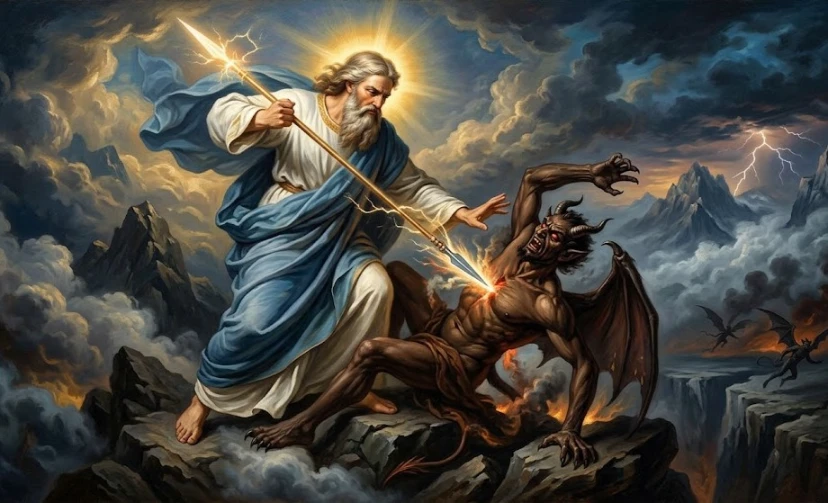
The Bible emphasizes demons’ cunning and manipulative aspects. They exploit human weaknesses, feeding on doubts and fears. This psychological approach renders them formidable foes.
Contrary to their cinematic portrayals, biblical demons lack physical terror. Instead, their true power lies in the chaos they can unleash. They represent moral and spiritual challenges more than corporeal threats.
Understanding their biblical context fosters a deeper comprehension. It shows the nuanced role demons play in theological teachings. These entities are symbolic adversaries, stirring introspection about faith and morality.
Demon Characteristics and Descriptions Across Cultures
Demons vary greatly in characteristics and descriptions across different cultures. Each culture’s belief system colors its image of these mythical entities. The diversity is staggering, reflecting human imagination and fear.
In Western traditions, demons often have grotesque features. Think horns, wings, and fiery eyes. Such imagery aligns with the theme of chaos and evil.
Eastern cultures may depict demons differently. Here, they can be trickster spirits or protectors. Their forms can range from fearsome to absurdly playful.
Despite the diversity, some demon traits remain universal:
- Malevolence and deceit
- Manipulation of human behavior
- Embodiment of human vices
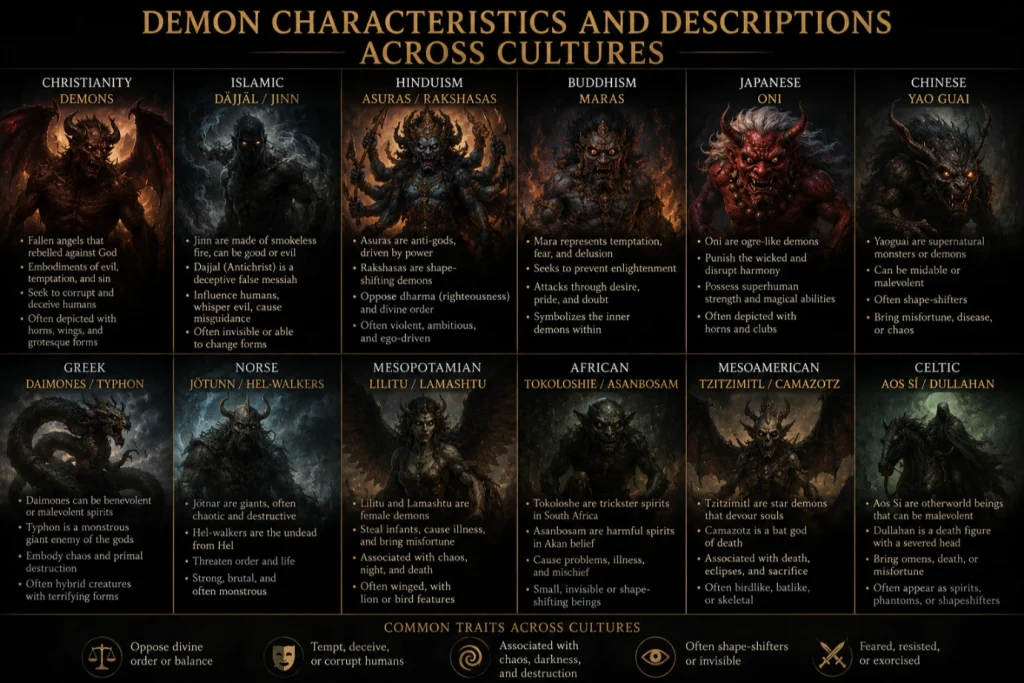
In African folklore, demons sometimes appear as shapeshifters. They reflect the spiritual complexity of life and death. Their presence is intertwined with ancestral beliefs and the afterlife.
Native American tales often present demons as natural forces. Their forms may include animals or natural disasters. These stories emphasize harmony and human resilience.
These diverse interpretations reveal our attempts to understand life’s challenges. Demons become mirrors of cultural values and fears. By studying them, we see a kaleidoscope of human belief and tradition. Each cultural representation provides rich insight into how we grapple with the unknown.
Real-Life Demons: Symbolism and Psychological Interpretations
Real-life demons often symbolize internal struggles or societal fears. They can manifest in various aspects of life, representing human challenges. This symbolism helps people externalize and cope with personal issues.
Psychologists view demons as metaphors for mental health issues. Depression, anxiety, and guilt are sometimes labeled as internal demons. This language helps individuals articulate complex emotional states.
These real-life demons serve as cautionary symbols in literature and art. They warn against vices like greed or wrath. Thus, they play a moralistic role in shaping behavior and thought.
Common symbolic roles of demons include:
- Manifestations of inner fears
- Temptations that lead astray
- Reflections of moral dilemmas

In religion, demons may signify spiritual failings. They act as tests of faith or symbols of moral conflict. Overcoming such demons often requires spiritual or personal growth.
By exploring these interpretations, we see how demons embody cultural anxieties. These representations enrich our understanding of human nature and challenges. Symbolic demons help society confront and reflect on deeper psychological and moral issues. They offer insight into the duality of human experience, revealing both darkness and the path to overcoming it.
Demon Imagery in Art and Literature
Throughout history, demons have fascinated artists and writers. Their imagery varies vastly, reflecting the culture of the creators. Art and literature capture demons in forms both beautiful and grotesque.
Artists often choose exaggerated features to portray demons. Horns, wings, and fiery eyes create a fearsome image. These features serve to evoke feelings of fear and wonder.
Literature uses demons to delve into moral complexities. Stories frequently employ them as metaphors for evil. Demons represent the darker sides of human nature.
In both art and literature, common elements of demon imagery include:
- Animalistic traits
- Fiery or dark auras
- Deceptive beauty

This imagery reflects societal fears and cultural values. While some works present demons as purely malevolent, others suggest complexity. Authors and artists create nuanced portrayals with moral ambiguity.
As these representations evolve, they provide insight into human psychology. They expose society’s views on vice, temptation, and redemption. By examining demon imagery, we glimpse collective fears and hopes across time and place. This helps to broaden our understanding of cultural and emotional landscapes.
Modern Interpretations: Demons in Popular Culture
In today’s world, popular culture shapes our view of demons. Movies, TV shows, and video games amplify their terrifying allure. These media often blend ancient myths with new ideas.
Modern depictions emphasize demons as antagonists with sinister agendas. They exhibit supernatural powers and vast influence. This portrayal draws from historical sources but adds a contemporary twist.
Audiences are captivated by complex demon figures. These characters might show glimpses of vulnerability or hidden depth. Such interpretations invite sympathy and fear, creating a rich narrative experience.
In popular culture, demons are often depicted with:
- Shape-shifting abilities
- Control over elements like fire or darkness
- Ties to ancient curses or prophecies

As we consume these stories, our understanding of demons evolves. They embody not just evil, but also the complexity of human struggles. This mix of traits ensures that demons remain intriguing and timeless symbols in our cultural landscape. By examining these portrayals, we gain insights into modern fears and fascinations.
Conclusion: Understanding the True Appearance of Demons
Demons captivate us with their mystery and allure. Throughout history, their imagery and characteristics have varied widely. From biblical texts to modern tales, demons reflect our deepest fears and fascinations.
Understanding demons requires a multifaceted approach. It involves exploring ancient religious texts and cultural folklore. Each source offers unique insights into its portrayal and significance.
The depiction of demons evolves, influenced by society’s fears and beliefs. Today, they continue to symbolize both our inner struggles and the battle between good and evil. By examining these cultural artifacts, we gain not only knowledge of demons but also a reflection on human nature itself. This journey through the world of demons enriches our understanding and challenges our perceptions.


[…] a world filled with skepticism and scientific reasoning, the topic of demonic spirits often evokes a variety of reactions, from curiosity to outright disbelief. However, for many […]
[…] Demons are often defined as supernatural beings that embody evil and malevolence. Their characteristics and origins vary greatly across different belief systems, but common themes emerge. They are typically associated with chaos, temptation, and sin, often functioning as adversaries to divine figures and human virtue. In many traditions, demons are thought to be fallen angels, spirits of the dead, or other malevolent entities created by an evil force. […]
[…] trying to make sense of unsettling experiences, it helps to know that traditions do not view all demon encounters as equal. Instead of a sudden leap to a cinematic nightmare, these events escalate gradually. […]