


In a world filled with skepticism and scientific reasoning, the topic of demonic spirits often evokes a variety of reactions, from curiosity to outright disbelief. However, for many cultures and religious beliefs, the presence of demonic entities and the practice of casting them out is a serious and profound subject. This blog post delves into the concept of demonic spirits, examines the spiritual, psychological, and cultural aspects of casting them out, and offers perspectives on how individuals can approach this ancient practice.
Understanding Demonic Spirits

Definition and Nature
Demonic spirits are often described as malevolent spiritual entities that oppose good, represent chaos, and can influence or inhabit individuals. Different cultures have their own interpretations of these beings, ranging from fallen angels in Christianity to jinn in Islamic theology.
The Experiences of Possession
Individuals who claim to be possessed or influenced by demonic spirits often describe a range of experiences, including:
- Changes in personality or behavior
- Voices or thoughts that encourage self-harm or destructive behaviors
- Physical ailments without a clear medical cause
- A sense of being watched or controlled
These experiences can vary greatly, and it is essential to approach them with compassion and understanding.
Historical Perspective
Ancient Practices
Throughout history, various cultures have had practices to deal with demonic spirits. Ancient Egyptians performed rituals to ward off negative entities, while Shamanistic traditions involved trance states to communicate with the spirit world.
Religion and Exorcism
In religious contexts, exorcism is a well-documented practice. The Roman Catholic Church, for instance, has specific guidelines for conducting exorcisms, emphasizing the importance of discernment and the need for a priest to perform the rite. Other religions, such as Buddhism and Hinduism, also have differing views and practices surrounding spirit possession.
The Process of Casting Out Demonic Spirits
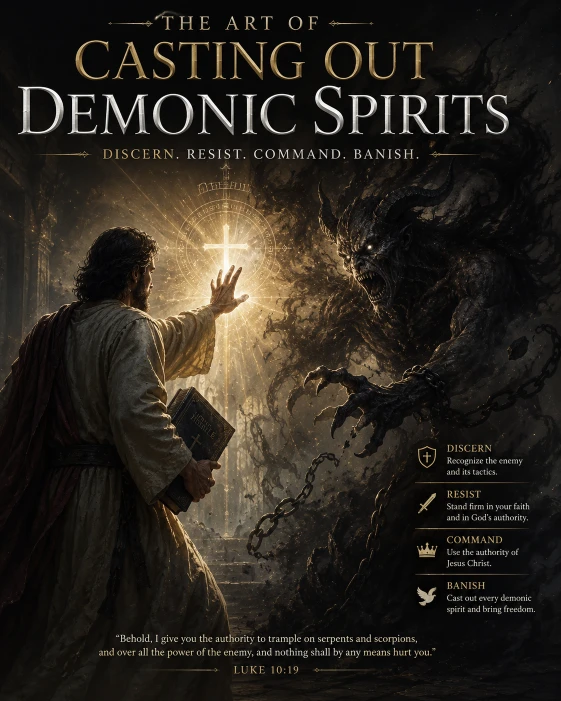
Preparation and Protection
Before attempting to cast out a demon, it is essential for the individual or practitioner to prepare both spiritually and mentally. This preparation may include:
- Prayer and Meditation: Engaging in prayer or meditative practices to raise one’s spiritual energy and create a protective shield.
- Purification: Some practitioners may choose to fast, cleanse their space with smoke from sage, incense, or other herbs, and set boundaries around the affected individual.
- Gathering Tools: Items such as holy texts, crosses, crystals, or other sacred objects can assist in the process.
The Actual Exorcism
The act of casting out a demonic spirit may involve several steps, which can vary based on cultural or religious practices. Common methodologies include:
- Invocation of Divine Power: The practitioner may call upon a higher power, asking for assistance in removing the demon spirit. This sacred act of invoking divine intervention is deeply rooted in various spiritual traditions and practices. Individuals often seek guidance, solace, and strength from these higher powers, believing that their presence can provide protection and healing. In moments of profound struggle, divine assistance may serve as a beacon of hope, helping to dispel negative energies that may be influencing one’s life.
- As the practitioner engages in this invocation, they might employ specific prayers, chants, or meditative techniques designed to enhance their connection with the divine. These practices can vary, reflecting the cultural and spiritual backgrounds of the individuals involved. Often, the invocation is accompanied by a sincere intention to release any harmful entities that may be present, promoting emotional and spiritual well-being.
- Moreover, the act of calling upon the divine is not just about seeking help; it is also about affirming faith and trust in the greater forces at play in the universe. The practitioner, through their commitment to this spiritual process, may find renewed strength and clarity, paving the way for healing and transformation in their life.
- Identifying the Spirit: Identifying the spirit is a crucial step in the process of addressing spiritual disturbances. Recognizing the spirit’s name or understanding its nature significantly improves the chances of effectively dispelling it. This endeavor may involve a variety of techniques, including the careful questioning of the entity to uncover its intentions or history. Engaging in this dialogue creates an opportunity for insight, allowing one to discern the spirit’s past and reasons for presence.
- In addition to direct questioning, keen observation of the spirit’s behaviors plays a pivotal role in identification. Subtle signs, such as temperature fluctuations, sounds, or movement patterns, can provide valuable clues about the spirit’s characteristics and emotional state. These manifestations may indicate whether the entity is benevolent, malevolent, or simply lost. Furthermore, establishing a connection through respectful communication can lead to a deeper understanding of the spirit’s motives and the context of its existence.
- Ultimately, the identification process is not solely about knowing a name, but about gaining a comprehensive understanding of the spirit’s nature. This knowledge equips individuals with the necessary insights to address any disturbances effectively, facilitating a resolution that considers the needs of both the living and the spirit involved.
- Confrontation: The practitioner will typically confront the demonic spirit, firmly instructing it to leave the individual and the space. This confrontation is often assertive and demanding, delivered with a strong sense of confidence and unwavering authority. During this critical moment, the practitioner may invoke various spiritual symbols or prayers that resonate with their beliefs, creating an atmosphere charged with intention. The air often feels thick with tension as the practitioner addresses the spirit directly, using language that conveys both purpose and strength. This approach is not merely about expelling the entity; it is also a declaration of the individual’s right to peace and autonomy within their own life. The practitioner might employ specific rituals or protective gestures, reinforcing their command and ensuring that the space is purified of negative influences.
- Cleansing Ritual: After the spirit has been cast out, cleansing rituals can help seal the space and protect the individual from future negative influences. These rituals often involve a variety of practices designed to purify the environment and restore a sense of calm and balance. Common methods include the use of sage smudging, where dried sage is burned to emit cleansing smoke that is thought to drive away lingering negativity. Additionally, the use of salt in bowls of water or sprinkled around doorways is another prevalent technique believed to absorb unwanted energies.
- Incorporating sound can also enhance the effectiveness of these rituals; the ringing of bells or the use of singing bowls creates vibrations that disrupt stagnant energy. Participants may choose to invite protective energies or spirit guides through prayer or meditation, intentionally focusing on their protective qualities. It is vital that individuals take a proactive approach in this process, regaining their sense of control and empowerment. Each cleansing ritual is unique and may be tailored to fit the specific needs and beliefs of the individual or household. By performing these rituals regularly, one can maintain a harmonious atmosphere and discourage any potential reentry of negative forces, fostering overall well-being.
Psychological Insights
The Influence of Mental Health

It is crucial to understand that many symptoms traditionally associated with demonic possession can also be attributed to mental health conditions. Disorders such as schizophrenia, dissociative identity disorder, or severe trauma may lead individuals to believe they are possessed. Therefore, it is vital to approach cases of possession with both spiritual and psychological assessments.
The Power of Belief
The belief in demonic spirits and the effects of exorcism can have significant psychological repercussions. The placebo effect and the power of shared belief within communities can be healing for some individuals. Faith and spirituality can provide a sense of control and hope.
Cultural Perspectives
Global Views on Demonic Spirits
The understanding of demonic spirits varies widely across different cultures. In many indigenous cultures, spirits and ancestors play a crucial role in daily life, and healing through spiritual means is frequent. In contrast, the Western viewpoint may often intersect with scientific examination, favoring psychological explanations over spiritual ones.
Media Influence
The portrayal of exorcism and demonic possession in films and literature has shaped public perception, often dramatizing the experience and creating fear. Movies like “The Exorcist” have sensationalized these topics, leading to misconceptions about the reality of such events.
Finding Help
Seeking Professional Guidance
If someone believes they are suffering from demonic possession or severe spiritual malaise, it is essential to find the right help. This can include:
- Spiritual Leaders: Consulting religious or spiritual leaders who can offer guidance, support, and potentially perform rites.
- Mental Health Professionals: Speaking with psychologists or counselors can provide an understanding of underlying psychological issues and offer treatments.
- Holistic Healers: Some individuals may seek alternative practitioners who combine spiritual practices with holistic healing techniques. You Can Seek Professional Help From Here -> Professional Help
Building a Supportive Community
Having a strong support network of friends, family, or community can significantly aid in recovery. Sharing experiences and connecting with others who understand spiritual struggles can foster healing and growth.
Casting out demonic spirits is a complex topic that intertwines religion, psychology, culture, and personal belief. While many may dismiss the notion of demonic entities, the experiences of those who feel affected are very real. Understanding these experiences requires an open, compassionate mind that considers both spiritual and mental health aspects.
Whether one approaches this subject from a place of faith, skepticism, or personal experience, the journey of confronting what one may perceive as evil—whether externally or internally—can lead to profound transformation and healing. It is vital to respect diverse beliefs and practices surrounding these issues while advocating for the mental and emotional well-being of those seeking help. Ultimately, empathy and understanding are key to addressing the challenges posed by the unseen forces that some individuals believe influence their lives.