Native American ancient stories hold the real truth, reflecting human nature, survival, and respect for the earth. They have endured hardships and suppression, with ancestors preserving stories as a vital part of identity. These narratives impart wisdom, moral lessons, and a connection to nature and each other. If you haven’t read the 1st part, here is a direct link to the post!
Here are ten fascinating creatures from various Native American traditions, each embodying unique qualities and lessons.
1. The Deer Woman
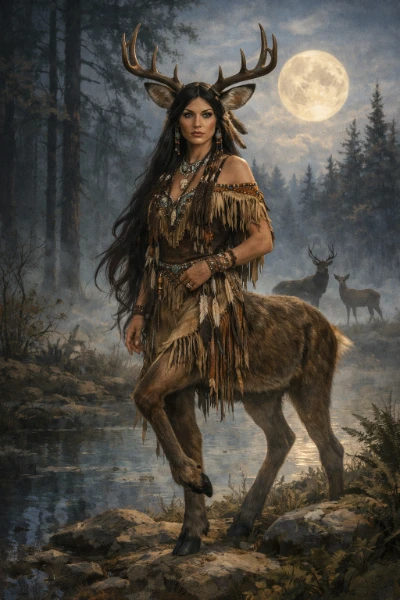
The Deer Woman is an important and respected figure in the folklore of Native American tribes, especially among the Cherokee, Muscogee, and Choctaw peoples. She is a shape-shifting spirit symbolizing beauty and strength, and often appears as an attractive woman with deer hooves, reflecting her connection to nature and her role as a protector of the environment.
In stories passed down through generations, the Deer Woman protects women and children, offering strength and courage, especially in times of need. She is believed to watch over those who are vulnerable. At the same time, she punishes those who harm the innocent, thus maintaining justice in her tales.
The Deer Woman also represents the bond between humanity and nature, emphasizing the importance of respecting all living beings. Her stories remind communities to honor and protect women and children.
2. The Urayuli
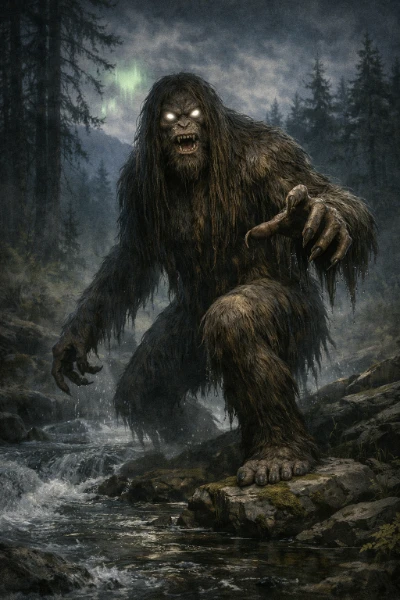
The Urayuli, known as “Hairy Men” in Yup’ik tradition, are remarkable beings respected by local communities. They are giant spirits with long limbs, seen as peaceful guardians of Alaska’s wilderness. Folklore describes the Urayuli as protectors of nature, symbolizing the connection between humans and the environment. While sightings are rare, stories about them are shared during long winter nights, teaching respect for nature and the importance of living harmoniously with it.
The Urayuli are considered shy, preferring to avoid humans while caring for the forests. They are thought to possess deep wisdom about nature’s cycles. Their stories entertain and guide the community, encouraging respect for the forest and its spirits. Today, Urayuli tales remain vital in Yup’ik culture, reminding people to honor the balance of life, especially as modern challenges threaten wilderness areas.
3. The Mishipeshu (The Underwater Panther / Great Lynx):
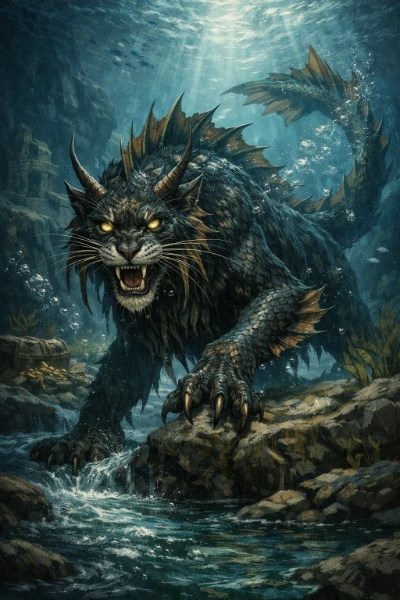
The Mishipeshu, or Underwater Panther, is an important figure in the mythology of the Algonquian and Ojibwe peoples. It is described as having a feline body, dragon horns, and copper-plated scales, making it a powerful and mysterious creature. Mishipeshu is believed to live in deep lakes and can control the waters, creating whirlpools that can trap travelers.
Additionally, Mishipeshu is a guardian of sacred copper mines, which hold cultural and spiritual significance for these tribes. These mines provide both material wealth and spiritual strength, emphasizing the creature’s importance in native traditions. The Mishipeshu symbolizes not only danger but also the balance of nature, reminding people to respect water and natural resources.
4. The Chenoo (Giwakwa):
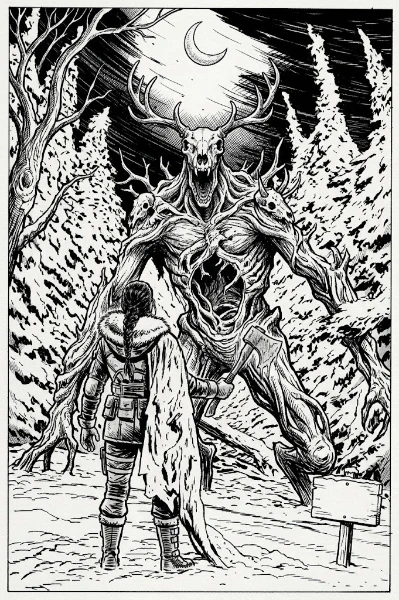
The Chenoo, or Giwaka, is a giant ice monster found in Wabanaki folklore of northeastern North America. It represents the harshness of winter, with a heart made of solid ice that symbolizes emotional emptiness linked to greed and isolation. The Chenoo’s legend carries moral lessons similar to those of the Wendigo, warning against selfishness and excess. Those who hoard resources or neglect the community may awaken this creature, highlighting the social consequences of greed and alienation. The story emphasizes the importance of community, resource sharing, and interconnectedness. It serves as a warning, urging people to consider their actions and the impact on the greater group. The Chenoo embodies cultural values, appearing in various stories and traditions that stress compassion, cooperation, and the risks of abandoning community ties.
5. The Stone Giants (Stone Coats / Genoskwa):
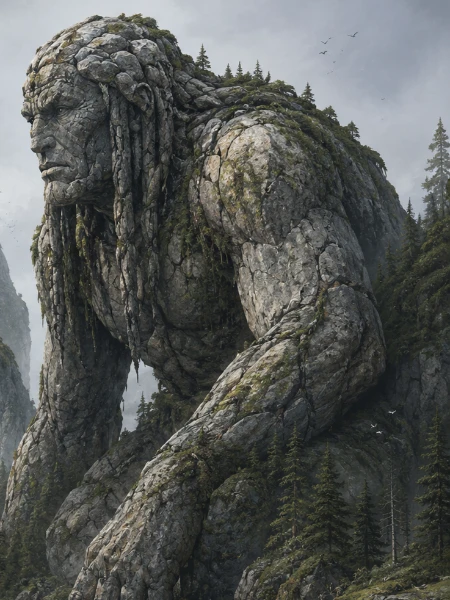
The Stone Giants, also known as Stone Coats or Genoskwa, are important figures in Iroquois and Seneca mythology. They are depicted as gigantic humanoid beings with skin like rock, symbolizing their powerful and intimidating nature. Legends portray them as brutal creatures embodying the primal forces of the world, lacking moral guidance, and causing chaos. This contrasts with other mythological figures celebrated for wisdom and balance. The stories of Stone Giants serve as warnings about the dangers of straying from moral paths and respecting nature’s boundaries. Their interactions with humans teach lessons about humility and the consequences of actions. Ultimately, Stone Giants represent the strength of nature and the need for ethical behavior, resonating in the cultural memory of the Iroquois and Seneca peoples.
6. The Flying Head (Kanontsistontw’a)
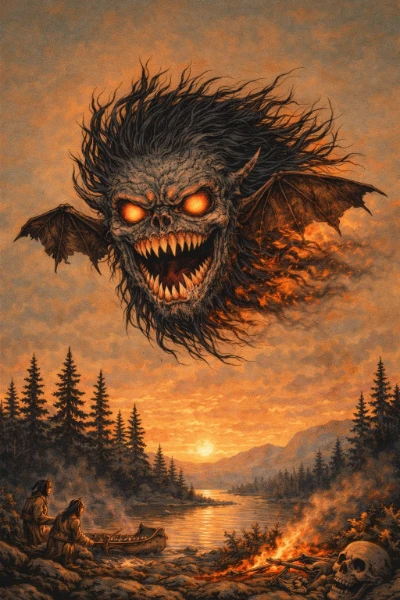
The Flying Head, called Kanontsistontw’a in Iroquois tradition, is a powerful spirit representing chaos from uncontrolled emotions. It appears as a large, floating human head with long hair and bat-like wings, designed to evoke fear and convey deeper meanings about emotions. This spirit reflects the Iroquois understanding of unchecked anger and desire, serving as a warning against losing control to primal instincts without reason.
Stories about the Flying Head highlight themes of imbalance, showing that those who surrender to anger or cravings may face its wrath. The folklore illustrates the importance of emotional regulation and mindfulness, encouraging individuals to reflect on their feelings. Ultimately, the Flying Head symbolizes the dual nature of humanity, highlighting the need for understanding and managing emotions to prevent chaos and destruction.
7. Iktomi:
Iktomi is the spider-trickster spirit respected by the Lakota and Dakota nations. He represents a mix of wisdom and folly, similar to Coyote in Native American tales. Iktomi weaves webs that symbolize chaos and the important lessons in life. His stories highlight human flaws like greed and pride, prompting self-reflection and growth.
Iktomi’s trickery leads to unexpected outcomes, reminding us of humility and the dangers of arrogance. His narratives serve as cautionary tales, illustrating how choices can entangle us. They encourage personal development and often end with hope for redemption.
Iktomi’s lessons are timeless, offering insights into the human struggle between good and bad. He symbolizes the need for introspection and resilience, reminding us to live authentically and avoid the traps of greed and deceit.
8. Teihiihan
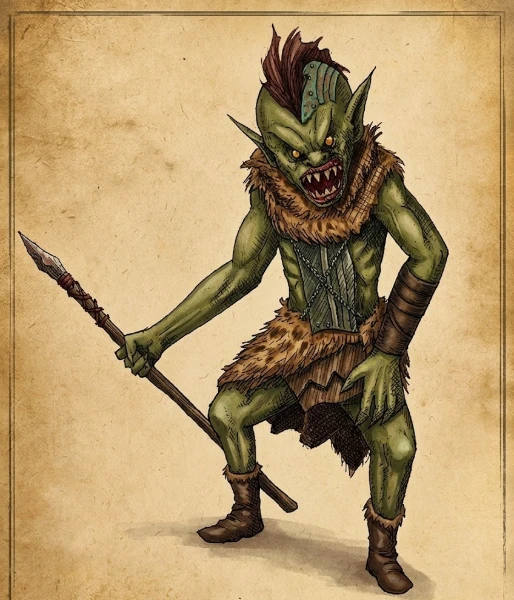
The Teihiihan are a mythical race of aggressive, cannibalistic little people from Arapaho folklore. Described as dwarf-like yet strong, they are known for their speed and resilience, making them formidable opponents. Their fame comes from raiding camps, where they would kidnap children and vulnerable adults, spreading fear through their terrifying tales. The stories serve as warnings to respect nature and community, highlighting cooperation against threats. Ultimately, the Teihiihan were defeated in a great war led by united Native American tribes, underscoring the values of unity and resilience in folklore.
9. Katshituashku
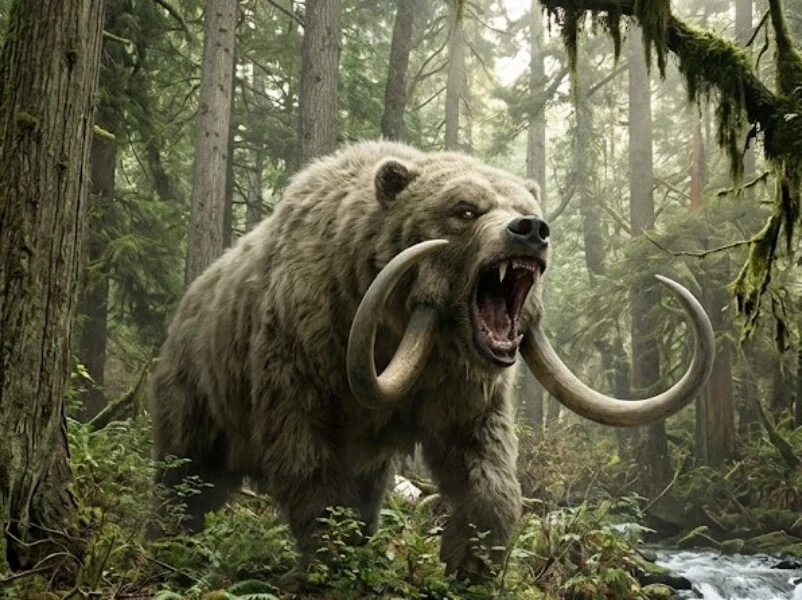
The Katshituashku, known as the “Stiff-Legged Bear” in folklore, is a giant monster in the mythology of the Innu and other Algonquian-speaking peoples of northeastern North America. It resembles a massive bear but has stiff, jointless legs, which prevent it from kneeling or rising easily. This causes it to sleep against large trees for support.
Legend portrays it as a fierce man-eater that instilled fear in early peoples of the subarctic forests. Hunting and community safety practices evolved around avoiding this creature. Over time, heroic figures in tribal stories emerged, showing human bravery in confronting the beast. These legends highlight the need for respect for nature and human coexistence with powerful forces. The Katshituashku compares to ancient creatures like the woolly mammoth, reflecting humans’ views of their world and its mysteries.
10. Two-Face
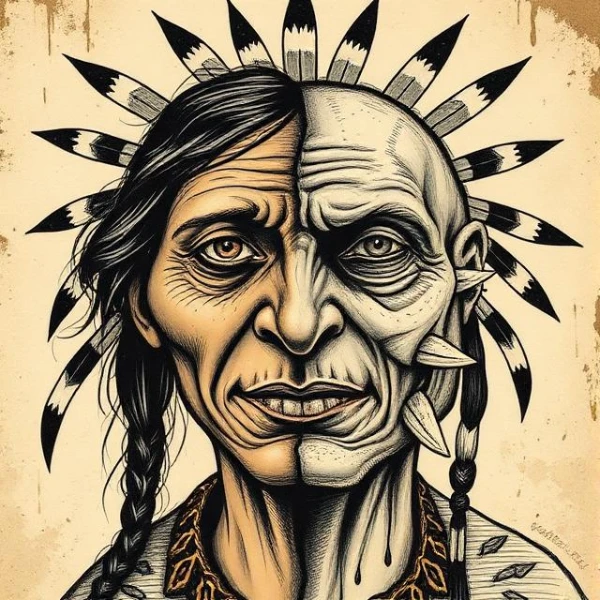
The Two-Face, or Anuk Ite in Lakota mythology, is a malevolent figure present in the folklore of the Lakota, Dakota, and Omaha tribes. This entity has one charming human face on the front, which can be beautiful or ordinary, and a terrifying, disfigured face on the back. It uses this duality to trap unsuspecting victims, such as travelers, vulnerable women, or children. The front face appears inviting, speaking kindly to lure people in.
However, once a victim approaches, the entity reveals its monstrous true form, often featuring sharp teeth and malicious eyes. This sudden shock can paralyze the victim, making them easy prey for the creature, which may result in their death or consumption. Additionally, just seeing the hideous back face can cause madness or illness, emphasizing the dangers behind friendly appearances and teaching the importance of caution when interacting with strangers.
The story of Two-Face serves as a warning about trusting appearances. It promotes vigilance within communities to protect against deception and predation, encapsulating themes of betrayal and hidden threats in human relationships. These lessons are preserved in the oral traditions of the tribes, influencing their cultural identity and worldview.
Native American creatures symbolize important values, beliefs, and lessons handed down over generations, reflecting the bond between humans and the environment. Each animal teaches about living harmoniously in nature, showing our deep connection to all life. These stories encourage reflection on our relationships and remind us of our ties to the earth and each other. Appreciating these teachings honors Indigenous traditions and promotes respect for their cultural heritage, ensuring that their lessons endure for future generations.