


Exploring the 112 Methods of Meditation
If you have ever felt that seated, silent meditation is not quite right for you, you are far from alone. For centuries, seekers have struggled with the traditional image of meditation—sitting perfectly still, fighting the restless mind. But what if there were a text that offered a technique tailored specifically to your unique temperament, lifestyle, and sensory experience?
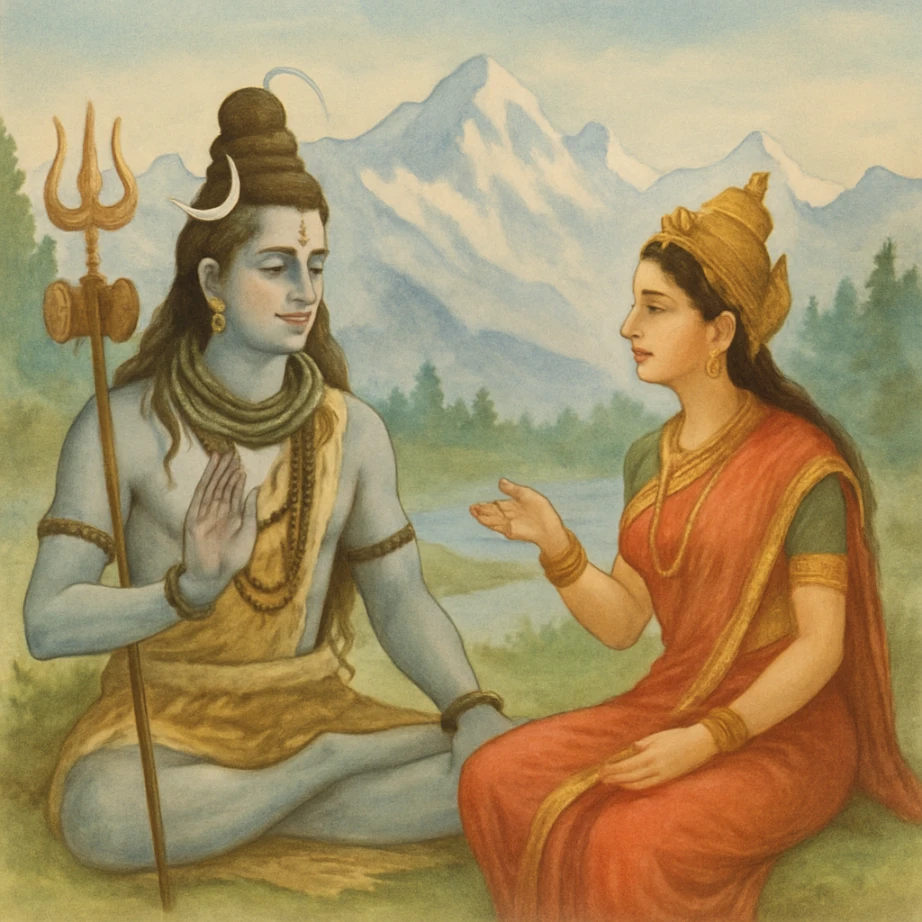
Enter the vijnana bhairava tantra, an ancient, profound manual of inner transformation and a direct source of the 112 methods of meditation. Rather than imposing a single, rigid path, this remarkable scripture presents a staggering diversity of practices. It is structured as a beautifully poetic Shiva and Devi dialogue on consciousness, where the Goddess (Devi) asks Lord Shiva to reveal the true nature of reality. In response, Shiva does not offer dry philosophical theories; instead, he provides direct, practical gateways to realization.
In this comprehensive guide, we will dive deep into this ancient text, exploring its history, its philosophy, and how you can apply its transformative teachings to your modern life.
The Origins and Significance of the Text
The vijñāna bhairava tantra (often spelled Vigyana Bhairava Tantra) is a key text of the Trika school of Kashmiri Shaivism. To truly understand its depth, we must look at the Rudrayamala Tantra and its historical significance. Originally, this manual was considered a chapter extracted from the vast, esoteric Rudrayamala Tantra, serving as a concentrated essence of its practical wisdom.
Sometimes referred to in traditional circles as bhairav vigyan or simply bhairava tantra, the text outlines precisely 112 methods of meditation. For generations, these teachings were passed down from guru to disciple, forming the core of the secret yoga practices of the Himalayan masters. Today, they remain incredibly relevant, bridging the gap between esoteric mysticism and everyday mindfulness.
Understanding the Philosophy: Trika vs. Advaita
Before diving into the techniques, it is essential to understand the philosophical soil from which the vijnana bhairava grows. Kashmiri Shaivism operates on a non-dual (Advaita) framework, but it is distinct from the more widely known Vedantic non-dualism.
If you are wondering about the difference between Trika philosophy and Advaita Vedanta, the distinction lies in how they view the physical world. Advaita Vedanta traditionally views the material world as Maya (illusion), encouraging practitioners to detach from the senses to realize the ultimate truth (Brahman).
Trika philosophy, however, embraces the world. It views the universe and all sensory experiences as the vibrant, joyful expression (Shakti) of the divine. This life-affirming perspective is heavily emphasized in Abhinavagupta’s commentary on non-dualism, where the revered 10th-century philosopher highlights that liberation is not about escaping the world, but recognizing the divine in every aspect of it.
This leads seekers to ask: what are the stages of spiritual awakening in Shaivism? Rather than a linear climb away from worldly life, the stages involve a gradual deepening of awareness—moving from individual limitation (Anava), to the awakening of energy (Shakta), to the ultimate, spontaneous recognition of one’s divine nature (Shambhava).

The Core: 112 Meditation Techniques for Enlightenment
At the heart of the text are the Dharanas (techniques of focus and centering). The 112 meditation techniques for enlightenment are not meant to be practiced all at once. Instead, the text acts as a spiritual buffet. You are encouraged to find the one or two methods that resonate perfectly with your current state of being.
When comparing traditional vs modern mindfulness techniques, modern methods often focus heavily on stress reduction and basic present-moment awareness. While valuable, the methods in the Bhairava Tantra go much further. They are designed for profound spiritual liberation, helping practitioners seamlessly integrate mystical awareness into mundane activities.
How to Practice Kashmiri Shaivism Dharanas
Learning how to practice Kashmiri Shaivism dharanas requires a shift in mindset. You do not need to force concentration. Instead, you playfully engage your awareness. Let’s explore several practical categories from the text that you can apply today.
- The Gateway of the Breath
Long before modern breathwork gained popularity, the Tantras mapped the profound connection between the breath and the mind. If you are looking for a comprehensive guide to breath awareness in ancient scriptures, this text is unparalleled.
- The Pause Between Breaths: One famous technique instructs the practitioner to focus on the exact moment the inhalation turns into an exhalation, and vice versa. In that microscopic fraction of a second, the breath is entirely still. By resting your awareness in that pause, the mind naturally halts, revealing a state of pure, thoughtless awareness.
- The Power of Emptiness (Shunya)
Another fascinating category of techniques involves realizing the void through meditation. This is not a dark, depressing emptiness, but a luminous, spacious void—like a clear blue sky free of clouds.
- Meditating on the Infinite Sky: The text suggests focusing entirely on a cloudless sky until your mind dissolves into its vastness.
- The Spiritual Benefits of Shunya Meditation: Practicing this form of emptiness meditation helps in dramatically reducing anxiety. The spiritual benefits of shunya meditation include the dissolving of the rigid ego, bringing immense psychological relief, deep inner peace, and a profound sense of interconnectedness.

3. Awakening Through the Senses
Perhaps the most unique tantric approach is using sensory experience as a vehicle for transcendence. Instead of closing your eyes and shutting out the world, you dive deeply into it. Awakening the divine self through sensory perception is a core theme.
- Immersive Listening: Listen to a continuous sound—like a waterfall, the drone of a singing bowl, or even the hum of a fan. Do not label the sound; simply let your awareness merge completely with the vibration until the boundary between the listener and the sound disappears.
- Intense Taste: When eating something delicious, do not just chew and swallow. Close your eyes and let the explosion of taste consume your entire consciousness. For a fleeting moment, there is no “you”—there is only the pure joy of tasting.
- The Principle of Spanda (Divine Vibration)
In Kashmiri Shaivism, Spanda refers to the subtle, primordial vibration or pulse of the universe. Implementing the practical applications of Spanda Karika principles (a related Shaiva text) means tuning into this subtle throb of life energy within your own body.
- Intense Emotions: When you experience intense emotions—like sudden joy, fear, or even anger—the text advises dropping the cause of the emotion and focusing purely on the physical sensation of the energy moving in your body. By isolating the energy from the story in your head, you tap directly into the universal life force.
Overcoming the Ego and Dualistic Thinking
A primary goal of the 112 methods is overcoming dualistic thinking through tantric meditation. Dualism is the illusion that you are separate from the universe, that the sacred is separate from the profane, and that spirit is separate from matter.
By practicing these techniques, whether you are focusing on the gap between your breaths or merging with the sound of a distant bell, you begin to blur the hard lines of the ego. You stop categorizing the world into “good” and “bad,” “spiritual” and “material.” Instead, everything becomes a canvas for divine presence.
This is the ultimate promise of the Tantra. It does not ask you to retreat to a cave. It asks you to wake up right where you are.

Actionable Tips for Getting Started
If you want to integrate these ancient teachings into your modern routine, here are a few actionable steps:
- Experiment Freely: Read through translations of the 112 dharanas. Pick one that instantly appeals to your curiosity. Do not force yourself into a practice that feels like a chore.
- Start Small: Dedicate just 5 to 10 minutes a day to your chosen technique. Whether it is breath awareness or staring into the boundless sky, consistency is more important than duration.
- Use Daily Triggers: Use everyday moments—like taking the first sip of your morning coffee, or hearing a dog bark in the distance—as spontaneous triggers to practice sensory merging.
- Let Go of Perfection: The tantric path is one of joy and spontaneity. If your mind wanders, gently bring it back without judgment.
Final Thoughts
The Vijnana Bhairava Tantra stands as a monumental testament to the boundless creativity of the human spirit. By offering 112 distinct methods of realization, it acknowledges a profound truth: there are as many paths to enlightenment as there are individuals seeking it.
Whether you find your center in the stillness of the void, the rhythm of your breath, or the vibrant pulse of everyday sensory experience, this text invites you to discover the sacred within the ordinary. You do not need to escape your life to find spiritual awakening. You simply need to look at it, listen to it, and experience it with profound, unwavering presence. Take a moment today, pick one technique, and begin your own dialogue with consciousness.
Q&A
Question: What is the Vijnana Bhairava Tantra, and how is it structured?
Short answer: It’s an ancient manual from the Trika school of Kashmiri Shaivism that presents 112 meditation methods (dharanas) as direct gateways to realization. Traditionally seen as distilled from the esoteric Rudrayamala Tantra, it’s framed as a poetic dialogue where Devi asks Shiva about the nature of reality, and Shiva replies not with theory but with practical techniques tailored to different temperaments and sensory orientations. Passed from guru to disciple as the “secret yoga” of Himalayan masters, it remains a living, applicable guide today.
Question: How does Trika philosophy differ from Advaita Vedanta?
Short answer: Both are non-dual, but they treat the world and senses differently. Advaita Vedanta tends to view the material world as Maya (illusion), encouraging detachment to realize Brahman. Trika (Kashmiri Shaivism) embraces the world as Shakti—the vibrant expression of the divine—inviting practitioners to recognize divinity in all experiences rather than withdrawing from them. Abhinavagupta’s commentaries emphasize this life-affirming, world-embracing approach to liberation.
Question: What are the stages of spiritual awakening in Shaivism, according to this view?
Short answer: Awakening unfolds as a deepening recognition rather than an escape from life:
- Anava: Awareness limited by individuality and contraction.
- Shakta: Awakening of energy and the dynamic play of Shakti.
- Shambhava: Spontaneous recognition of one’s innate divine nature.
- This progression integrates, rather than rejects, everyday experience.
Question: Do I need to practice all 112 methods? How should I choose and start?
Short answer: No—think “spiritual buffet,” not checklist. Choose one or two methods that immediately resonate and explore them lightly and consistently. Practical starting tips include:
- Experiment freely with translations of the 112 dharanas; follow genuine curiosity.
- Start small—5–10 minutes daily is enough at first.
- Use daily triggers (first sip of coffee, a distant sound) to slip into practice.
- Let go of perfection; return gently when the mind wanders.
Question: Can you share a few example techniques and their benefits?
Short answer: The text offers diverse, everyday-accessible gateways:
- Breath pause: Rest awareness in the instant between inhale and exhale; the mind naturally stills.
- Shunya (emptiness): Gaze into a clear sky to dissolve into spacious presence; benefits can include reduced anxiety, ego-softening, and deep peace.
- Sensory merging:
- Immersive listening to a continuous sound (e.g., waterfall, fan hum) until the listener-sound boundary blurs.
- Intense taste—let a delicious flavor fill awareness completely.
- Spanda (divine vibration): During strong emotions, drop the story and feel the raw energy moving in the body; this tunes you to the universal life pulse.
- All of these erode rigid ego boundaries and help overcome dualistic thinking by revealing the sacred within ordinary experience.