


Imagine walking through a dense, frozen forest in the dead of winter. The air is so cold it burns your lungs, and the only sound is the crunch of snow beneath your boots. Suddenly, you hear a snap of a branch, followed by a rush of wind that feels entirely unnatural. For centuries, this eerie scenario has been the focal point of terrifying wendigo myths.
Of all the chilling questions surrounding this legendary creature, one stands out above the rest: exactly how fast is a wendigo?
For fans of cryptids, folklore, and survival lore, understanding wendigo speed is both a fascinating study of mythology and a terrifying thought experiment. Let’s dive deep into the freezing woods to explore the speed, agility, and sheer terrifying velocity of the wendigo.

The Mythological Origins of Wendigo Speed
To understand the sheer swiftness of this creature, we have to look at its roots. The mythological origins of wendigo speed are deeply intertwined with the biting winter winds of the northern United States and Canada. In traditional lore, the wendigo is heavily associated with the harshness of winter, famine, and the freezing gales that sweep across the Great Lakes region.
It is said that a wendigo rides the winter winds or, in some tales, is the wind itself. This elemental connection grants the Algonquin folklore creature agility that defies the laws of physics. They do not merely run; they glide across the frozen landscape like a violent blizzard.
Furthermore, folklore dictates that this monster is born from human tragedy. When examining cases historically described as Windigo psychosis and physical transformations that supposedly follow a human resorting to cannibalism, the lore notes a shedding of human limitations. The newly formed entity loses its mortal sluggishness, replaced entirely by a demonic, supernatural energy.
Analyzing Wendigo Characteristics: How Fast Can a Wendigo Run?
If we bring this folklore into a modern context and attempt to quantify it, how fast can a wendigo run? While you won’t find one clocked by a police radar gun, wendigo characteristics described in countless legends give us a terrifyingly clear picture.
Survivors and storytellers often describe the creature keeping pace with moving vehicles on desolate woodland highways, putting their top speeds anywhere from 40 to over 60 miles per hour. But it is not just their top speed that makes them lethal; it is their inhuman sprinting acceleration. A wendigo can allegedly go from a dead, eerie standstill to full pursuit velocity in a fraction of a second.
The Biomechanics of a Nightmare
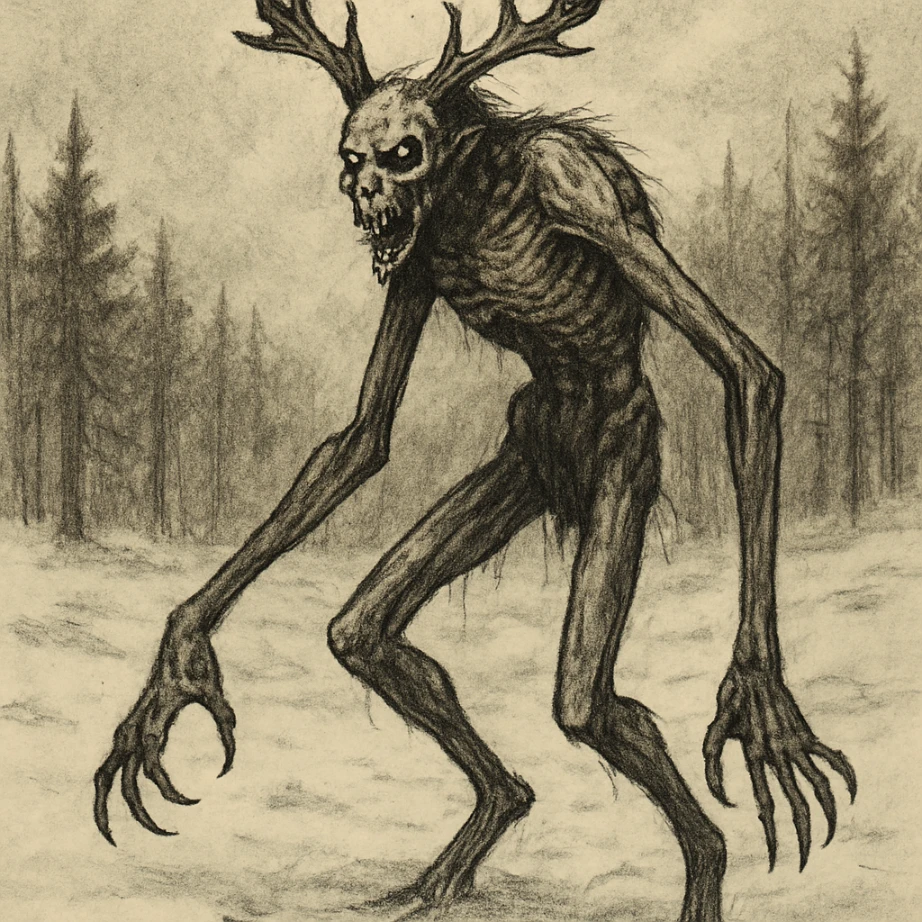
How does a creature, often depicted as a decaying, emaciated corpse, move so quickly? The answer lies in its mythological biology:
- Skeletal anatomy and movement efficiency: The wendigo is almost universally described as impossibly tall and gaunt, with elongated limbs. This unnatural stride length allows them to cover massive amounts of ground with a single step.
- The influence of starvation on physical stamina: In folklore, the wendigo is never satisfied. This eternal hunger does not weaken it; rather, it fuels a frantic, unending adrenaline rush. The hungrier it gets, the more desperate and explosive its movements become.
- Weightless movement: Despite their towering height, wendigos are often said to lack mass. This lack of heavy muscle or fat allows them to move without the encumbrance a normal apex predator would experience.
Wendigo Behavior and Hunting Tactics
Speed is useless without strategy, and wendigo behavior is nothing if not calculating. Wendigo hunting is rarely a mindless chase; it is a highly coordinated psychological torment.
Mastering the Ambush
One of the most terrifying aspects of these creatures is their nocturnal stalking and ambush velocity. A wendigo will often trail its prey for miles, remaining just out of sight. They use their speed not to catch you immediately, but to reposition themselves constantly. You might hear a mimicry of a human voice to your left, and seconds later, hear a twig snap far to your right.
Dominating the Canopy
Their agility is not strictly horizontal. A vital aspect of wendigo hunting patterns in winter involves tree climbing and forest traversal. With razor-sharp claws and long limbs, wendigos are said to scale giant pines in the blink of an eye. They leap from canopy to canopy, shaking the branches and dropping snow, creating a chaotic environment that disorients their prey before they drop down for the final strike.
Supernatural Comparisons: Wendigos vs. Other Cryptids
To truly grasp the speed of this winter nightmare, it helps to compare its supernatural pursuit predator capabilities to other famous figures in cryptozoology and folklore.
Wendigo vs Skinwalker Speed Comparison
While both are deeply rooted in Native American lore, their capabilities differ wildly. A skinwalker relies on the physical attributes of the animal shape it assumes—such as a wolf, coyote, or bear. While incredibly fast (capable of running 35-40 mph depending on the animal form), a skinwalker is still somewhat bound by earthly biology. A wendigo, powered by dark spirit magic and the winter wind, easily outpaces a skinwalker in a straight sprint and possesses far superior stamina.
Werewolf vs Wendigo Mobility
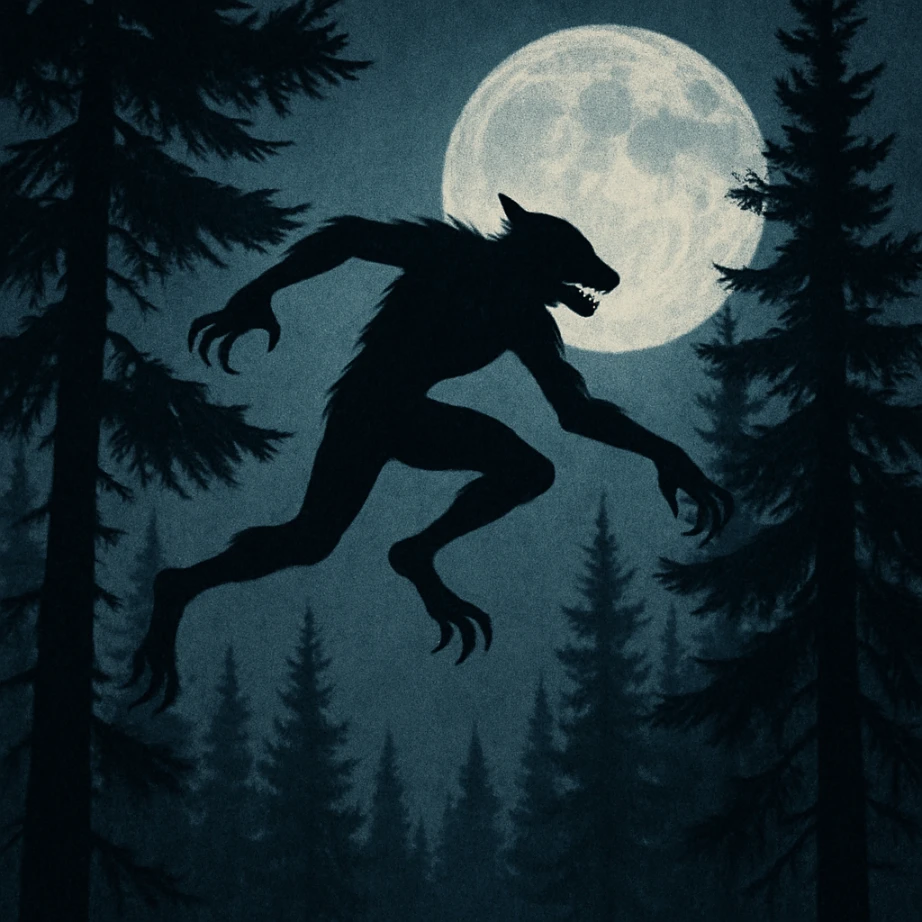
Werewolves are legendary for their brute strength and explosive muscle power. In a short, violent burst, a werewolf is incredibly fast. However, werewolf vs wendigo mobility leans heavily in favor of the wendigo in rugged woodland environments. While a werewolf relies on heavy, muscular bounds that tire them out over long distances, the wendigo’s weightless, gliding stride allows it to run for hours without fatigue.
Wendigo Encounters: Can You Outrun a Wendigo?
If you find yourself deep in the northern woods and hear an unnatural shriek carried on the wind, the most practical question becomes: can you outrun a wendigo?
According to centuries of wendigo stories, the blunt answer is no. You cannot outrun the wind. Human beings max out at around 15 to 20 mph in a desperate sprint, which is agonizingly slow compared to a creature that can keep pace with a speeding car. However, surviving a wendigo chase isn’t about winning a footrace; it is about outsmarting the creature and understanding the environment.
Actionable Survival Lore
If we treat wendigo lore as a theoretical survival guide, here is what folklore teaches us about escaping:
- Do not run immediately: Running triggers their predatory chase instinct. Because their inhuman speed guarantees they will catch you, fleeing in a straight line is fatal.
- Seek shelter and fire: Wendigos are creatures of frost and darkness. Wendigo encounters almost universally highlight their aversion to intense heat and bright fire.
- Tracking wendigo movement across snow: Pay attention to the ground. In many myths, wendigos are so fast and light that they barely leave footprints, or their feet melt the snow into bloody ice patches. If you spot these unnatural tracks, move in the opposite direction carefully.
- Break the line of sight: Because of their blistering ambush velocity, you must force them to navigate complex, tight spaces where their long limbs become a disadvantage. Thick underbrush is your friend.
What Wendigo Lore Teaches Modern Woodsmen
Even if you view the wendigo purely as a myth, the lessons embedded in wendigo stories hold practical value for winter survival. The legends were originally passed down to keep tribes safe during the brutal, isolating winters. The “speed” of the wendigo served as a metaphor for how quickly hypothermia, frostbite, and winter storms can overtake an unprepared traveler.
Here are a few quick wendigo facts to summarize their terrifying swiftness:
- Top Speed: Estimated to be faster than a galloping horse or a moving vehicle (50+ mph).
- Agility: Capable of vertical tree climbing and silent drops.
- Endurance: Limitless, fueled by dark magic and eternal starvation.
- Terrain Preference: Deep snow and dense forests do not slow them down; they glide over snowdrifts that would trap a human.

The Final Takeaway on Wendigo Speed
So, how fast is a wendigo? It is as fast as the northern gale and quicker than a desperate heartbeat. The wendigo represents the ultimate, inescapable apex predator of the winter woods. Its skeletal frame, unholy stamina, and terrifying acceleration make it one of the most formidable entities in global mythology.
Understanding wendigo speed reminds us why the dark, quiet woods command so much respect. The next time you find yourself wandering through a snowy forest and feel a sudden, violent gust of freezing wind against your back, don’t bother trying to outrun it. Just hope it’s only the wind.



[…] The Wendigo: Originating from Algonquian-speaking tribes in the icy northern climates (like the Ojibwe and Cree), the Wendigo is a monster born of winter starvation and greed. A human becomes a Wendigo by engaging in cannibalism. The creature is depicted as an emaciated, frostbitten giant with an insatiable hunger for human flesh. The Wendigo is a cultural metaphor for the dangers of selfishness and greed within a community. […]