


Vipassana Meditation Benefits: Science, Practice, Healing
In today’s hyper-connected, fast-paced world, the quest for genuine inner peace often feels like an endless uphill battle. We download wellness apps, read self-help books, and try various relaxation trends, yet that lingering sense of modern anxiety rarely fades. If you are seeking a profound, lasting transformation, the ancient practice of Vipassana might be the key.
Known for its rigorous approach to self-awareness, this technique offers far more than just temporary stress relief. The vast array of Vipassana meditation benefits, including well-documented health benefits of Vipassana meditation, can fundamentally rewire how you process thoughts, emotions, and physical sensations.
Whether you are looking to manage stress, improve concentration, or embark on a journey of deep personal growth, understanding this ancient technique is a powerful first step. Let’s explore the science, practice, and life-changing advantages of Vipassana meditation.
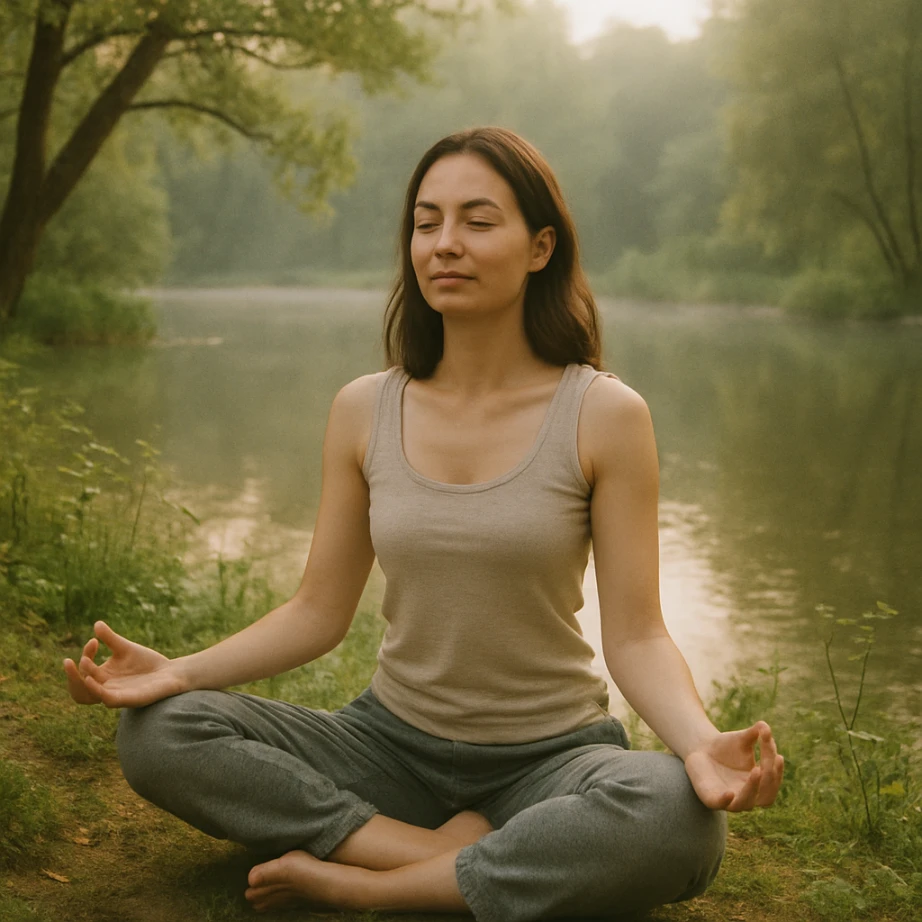
What Exactly is Vipassana?
Vipassana, which translates to “seeing things as they really are,” is one of India’s most ancient techniques of meditation. Rediscovered by Gotama the Buddha more than 2,500 years ago, it was taught as a universal remedy for universal ills.
To truly grasp the power of this technique, it helps to understand the difference between samatha and vipassana. Samatha focuses on calming the mind by concentrating on a single object, such as the breath or a mantra. While this brings immediate tranquility, it is often temporary. Vipassana, on the other hand, is an insight practice. It uses the concentrated mind to deeply observe the physical sensations of the body, uprooting mental conditioning at its deepest level.
When comparing Vipassana vs. mindfulness meditation, it is important to note that while both share common roots, they differ in application. General mindfulness meditation often involves a broad awareness of your environment, thoughts, and actions in the present moment. Vipassana is a specific, systematic technique of scanning the body’s physical sensations to dissolve mental impurities. Ultimately, both offer incredible mindfulness benefits, but practitioners often consider Vipassana a deeper, more surgical approach to self-exploration.
The Retreat Experience: Diving In
For most people, the introduction to this practice happens at a residential center. A standard dhamma meditation course for beginners lasts for 10 days. During this time, participants live in a closed environment, entirely disconnected from the outside world.
The Power of Noble Silence
One of the most famous aspects of the retreat is the commitment to silence. The noble silence rules and expectations require participants to abstain from speaking, gesturing, making eye contact, and using technology for the first nine days of the course. This is not meant to be a punishment. Rather, it removes external distractions, allowing the mind to turn entirely inward.
What Happens to the Mind?
The psychological effects of 10-day silent retreats can be intense but deeply purifying. Stripped of usual coping mechanisms like smartphones, socializing, or reading, your mind is forced to confront its own habits. Participants often experience a rollercoaster of emotions—from deep frustration to profound bliss. By the end of the retreat, most report a dramatic “lightening” of their mental load, experiencing first-hand the incredible advantages of Vipassana meditation.
Core Principles of the Practice
The foundation of successful Vipassana practice rests on three distinct pillars: morality (Sila), concentration (Samadhi), and insight (Panna).
- Building Focus: During the first few days of a retreat, participants dedicate themselves strictly to developing deep mental concentration by focusing on the natural breath as it enters and leaves the nostrils. This sharpens the mind, preparing it for the heavy lifting of insight meditation.
- Body Scanning: Once the mind is sharp, practitioners begin scanning their bodies from head to toe, observing every physical sensation without reacting to it.
- Understanding Impermanence: The ultimate goal of this observation is the anicca impermanence realization. Anicca is the universal law that everything is constantly changing. By observing that physical sensations—whether a painful itch or a pleasant tingle—arise and pass away, the mind learns to stop reacting with craving or aversion.
Transformative Health and Psychological Benefits
The general meditation benefits available to practitioners are well-documented, but Vipassana offers unique physical and neurological advantages.
Rewiring the Brain
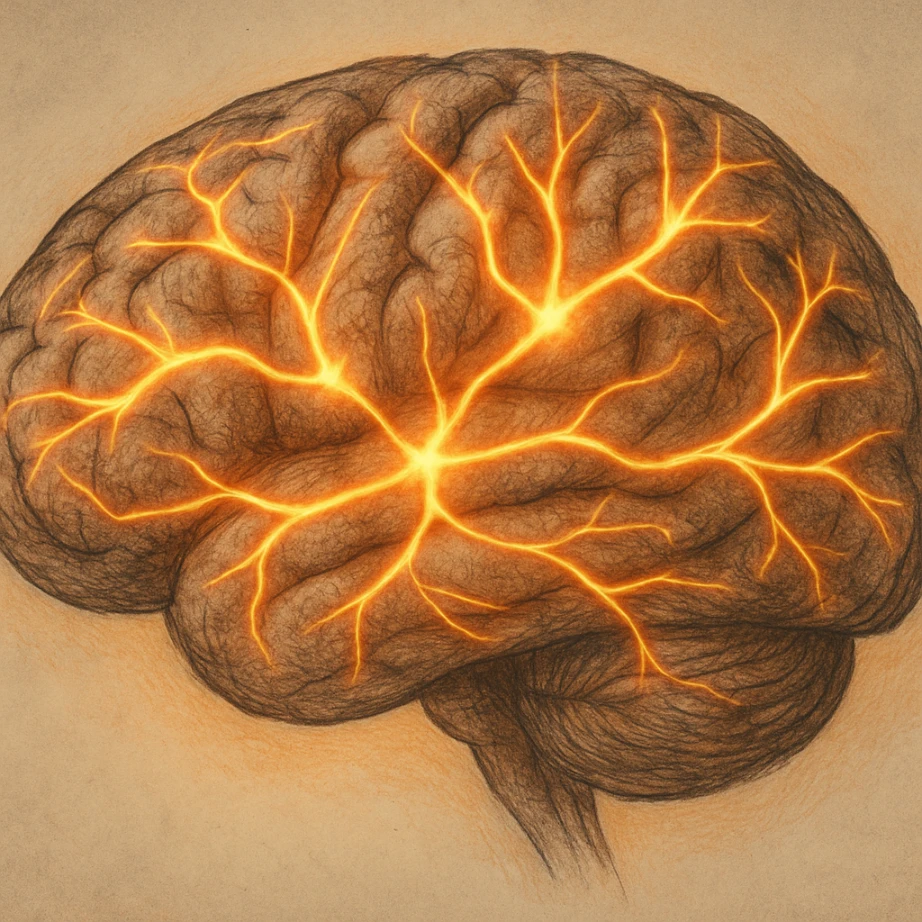
Modern science has started to catch up with ancient wisdom. Researchers frequently ask: how does Vipassana change the brain? The answer lies in neuroplasticity and meditation practice. Regular observation of sensations without reaction strengthens the prefrontal cortex (responsible for rational thinking and decision-making) while shrinking the amygdala (the brain’s fear and stress center). This physical change in brain structure is directly linked to improving focus and emotional regulation.
Mental Health Applications
Therapists and neuroscientists alike are exploring this technique. People often ask, Is Vipassana good for anxiety and depression? Studies suggest a resounding yes. Anxiety is largely driven by worrying about the future, while depression is often tied to ruminating on the past. Vipassana trains the mind to remain entirely in the present bodily reality. By objectively observing the physical manifestations of anxiety (such as a tight chest or shallow breath) without panicking, the emotional charge of the anxiety naturally dissolves.
Physical Wellness and Healing
The health benefits of Vipassana meditation extend to the physical body as well. Because the mind and body are intrinsically linked, releasing mental tension often leads to physical relief. Researchers have reported that this phenomenon, sometimes referred to as vipassana healing, helps lower blood pressure, improve sleep quality, and boost immune function.
Furthermore, many practitioners have found great success in managing chronic pain with insight meditation. Instead of fighting physical pain—which creates secondary mental suffering—Vipassana teaches you to observe the pain objectively as merely a collection of vibrating sensations. This detachment can significantly lower the subjective experience of physical discomfort.
Real-World Applications: Taking It Off the Cushion
The true test of any meditation technique is not how peaceful you feel while sitting in a quiet room, but how you handle the chaos of daily life. The benefits of Vipassana meditation shine brightest when applied to real-world challenges.
Cultivating Balance
The primary goal of the practice is cultivating equanimity in daily life. Equanimity means maintaining a balanced mind regardless of external circumstances. Whether you receive a harsh email from your boss, get stuck in gridlock traffic, or experience an unexpected financial setback, Vipassana teaches you to observe your body’s reactive sensations—like a quickening heartbeat or a tight jaw—and consciously choose not to react blindly. You learn to respond to life with clarity rather than reacting out of habit.
Healing Deep Wounds
Another profound application is overcoming emotional trauma through self-observation. Trauma is often stored in the body as frozen, unprocessed energy. When you practice deep body scanning, you inevitably encounter areas of physical blockage tied to old emotional wounds. By simply observing these blockages with an objective, compassionate mind, the stored trauma is allowed to surface and eventually pass away, leading to deep, permanent healing.
A Beginner’s Guide to the S.N. Goenka Technique
The most widely accessible method of this practice today was popularized by the late teacher S.N. Goenka. If you are curious about starting, here is a brief beginner’s guide to s.n. The Goenka technique to help you understand the daily mechanics:
- Start with Morality: The foundation of the technique requires living an ethical life (abstaining from killing, stealing, lying, sexual misconduct, and intoxicants). This keeps the mind free from heavy agitation.
- Anapana (Breath Awareness): Sit comfortably, close your eyes, and focus your entire attention on the triangular area between your upper lip and your nostrils. Feel the natural breath moving in and out. Do this for 10–15 minutes to calm the mind.
- Vipassana (Body Scanning): Move your attention systematically from the top of your head down to your toes, and then back up.
- Observe Objectively: Notice any sensations—heat, cold, tingling, pain, numbness, or lightness.
- Practice Equanimity: Do not cling to pleasant sensations or push away unpleasant ones. Simply acknowledge them with the understanding of Anicca—this, too, will change.
- Daily Commitment: For the best results, Goenka recommended practicing for one hour in the morning and one hour in the evening.
Note: While trying this at home is entirely safe and beneficial, the depth of the technique is best learned by attending a formal 10-day course where a qualified teacher can guide you through the process.

Final Thoughts
The journey inward is rarely easy, but it is undeniably worth the effort. The vast Vipassana meditation benefits range from structural changes in the brain to profound emotional healing and chronic pain management. By committing to this ancient practice, you are not just learning a relaxation technique; you are mastering the art of living.
Through the consistent observation of reality as it is, you can break the chains of deeply rooted mental habits. By understanding the impermanent nature of all things, you empower yourself to navigate life’s inevitable ups and downs with grace, clarity, and unshakable inner peace. If you have been searching for a practical, non-sectarian path to true freedom, Vipassana might just be the journey you’ve been waiting for.
Frequently Asked Questions
Question: How is Vipassana different from mindfulness and samatha meditation?
Short answer: Vipassana is an insight practice that uses a concentrated mind to observe bodily sensations and see their impermanent nature (anicca). This differs from samatha, which calms the mind by focusing on a single object like the breath or a mantra, and from general mindfulness, which cultivates broad present-moment awareness of thoughts, feelings, and surroundings. While all three build awareness, Vipassana is a systematic, “deeper” technique aimed at dissolving mental conditioning by scanning sensations and remaining equanimous.
Question: Why do 10-day retreats require “noble silence,” and what mental effects should I expect?
Short answer: Noble silence removes external distractions—no talking, gesturing, eye contact, or tech—so attention can turn fully inward. Without usual coping outlets, the mind confronts its habits head-on. Many participants report an emotional rollercoaster early on (frustration, restlessness, bliss), followed by a notable lightness and clarity by the end. The closed, distraction-free environment accelerates insight and helps reveal the benefits of Vipassana directly.
Question: What are the core pillars and methods of the practice?
Short answer: Vipassana rests on three pillars: morality (Sila), concentration (Samadhi), and insight (Panna). Training typically begins with Anapana—focusing on the natural breath at the nostrils—to sharpen concentration. Then practitioners systematically scan the body from head to toe, observing sensations without reacting. By directly experiencing anicca—the continual arising and passing of sensations—the mind learns equanimity, weakening its habitual craving and aversion.
Question: What does the science suggest about Vipassana’s benefits for the brain and mental health?
Short answer: The text describes Vipassana through the lens of neuroplasticity: regularly observing sensations without reacting can strengthen the prefrontal cortex (linked to focus and decision-making) and reduce reactivity in the amygdala (the stress/fear center). Practically, this supports improved attention and emotional regulation. For anxiety and depression—often fueled by future worry or past rumination—the technique anchors awareness in present bodily sensations, which can dissolve the emotional charge and promote a steadier mood.
Question: How can I apply Vipassana off the cushion, and how do I start with the S.N. Goenka method?
Short answer: In daily life, use body awareness to notice reactive sensations (e.g., tight jaw, racing heart) and choose a balanced response instead of a reflexive reaction—this is equanimity in action. To begin in the Goenka tradition: live by basic ethical precepts; practice Anapana (10–15 minutes of breath awareness at the nostrils); learn systematic body scanning; observe sensations objectively with the understanding that all are impermanent; and commit to daily practice (ideally one hour morning and evening).



[…] of the most direct forms of meditation taught by the Buddha is Vipassana, or insight meditation. It focuses on mindfulness and observation. Here’s how to practice it […]