
Chakra balancing is an ancient practice rooted in various Eastern spiritual traditions, especially in Hinduism and Buddhism. Chakras are believed to be energy centers within the human body that correspond to different physical, emotional, and spiritual aspects of a person. Understanding how to balance these energies can lead to improved well-being, vitality, and peace of mind. In this blog post, we will explore the seven primary chakras, their significance, and practical techniques to balance chakra energy effectively.

What are Chakras?
The term “chakra” originates from the Sanskrit word meaning “wheel.” These wheels of energy are thought to spin and carry life force (or “prana”) throughout the body. While there are many chakras in the body, the seven primary chakras are typically focused on in practice. They are aligned along the spine, starting from the base to the crown of the head.
The Seven Primary Chakras
- Root Chakra (Muladhara): Located at the base of the spine, the root chakra is associated with grounding, survival, and physical identity. It is linked to the earth element and governs basic needs such as safety, security, and stability.
- Sacral Chakra (Svadhisthana): Positioned in the lower abdomen, the sacral chakra influences creativity, emotions, and sexuality. Its energy affects how we relate to others and experience pleasure.
- Solar Plexus Chakra (Manipura): Found in the upper abdomen, the solar plexus is connected to personal power, confidence, and self-esteem. It governs our ability to assert ourselves and achieve goals.
- Heart Chakra (Anahata): Located in the center of the chest, the heart chakra embodies love, compassion, and forgiveness. It balances our emotional responses and nurtures our relationships.
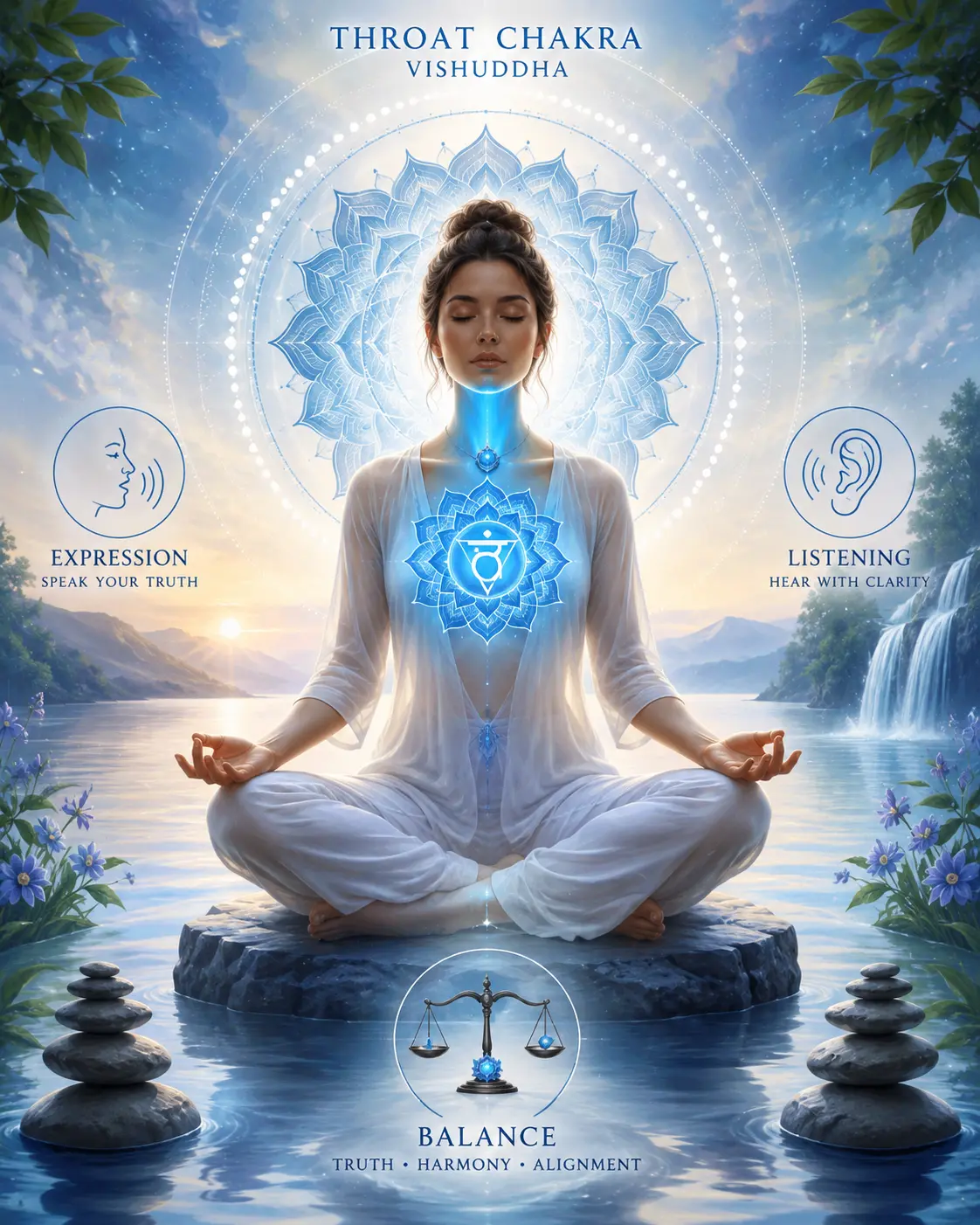
- Throat Chakra (Vishuddha): This chakra is situated in the throat and is responsible for communication, self-expression, and truth. It influences how we articulate our thoughts and emotions.
- Third Eye Chakra (Ajna): Positioned between the eyebrows, the third eye chakra is associated with intuition, insight, and clarity of thought. It governs our ability to see and interpret the world beyond ordinary perception.
- Crown Chakra (Sahasrara): Located at the top of the head, the crown chakra represents spiritual connection, enlightenment, and consciousness. It links us to higher states of being and the universe.
Why Balance Your Chakras?
Chakra imbalances can lead to physical, emotional, and psychological blockages. When a chakra is overactive or underactive, it can manifest as various issues, including anxiety, depression, chronic pain, or relationship problems. Balancing chakras promotes overall health and harmony, allowing energy to flow freely throughout the body.
Signs of Chakra Imbalance
Understanding the signposts of an unbalanced chakra can aid in self-diagnosing and addressing specific issues. Here are some common signs to look out for:
- Root Chakra: Feeling unstable, insecure, or financially stressed.
- Sacral Chakra: Trouble with intimacy, creativity, or feeling emotionally disconnected.
- Solar Plexus Chakra: Low self-esteem, lack of control, or indecision.
- Heart Chakra: Difficulty in relationships, feeling closed off emotionally, or unable to forgive.
- Throat Chakra: Struggling with communication, fear of speaking, or dishonesty.
- Third Eye Chakra: Lack of intuition, confusion, or difficulty in making decisions.
- Crown Chakra: Feeling disconnected from spirituality or experiencing existential dread.
Techniques for Balancing Chakra Energy
Balancing chakras is both an art and a science, and it can involve various practices. Here are some effective techniques to harmonize your chakra energies:
1. Meditation
Meditation is one of the most powerful tools for balancing chakras. Here’s how you can meditate with a focus on chakra balancing:
- Find a Quiet Space: Sit in a comfortable position in a quiet space where you won’t be disturbed.
- Breathe Deeply: Close your eyes and take several deep breaths to center yourself.
- Visualize Each Chakra: Starting from the root chakra, visualize each energy center. Imagine the chakra spinning and glowing in its associated color (red for root, orange for sacral, yellow for solar plexus, green for heart, blue for throat, indigo for third eye, and violet or white for crown).
- Affirmations: Utilize affirmations for each chakra. For example, “I am safe and secure” for the root chakra or “I communicate my truth with ease” for the throat chakra.
- Duration: Spend a few minutes focused on each chakra and then end your meditation with a few moments of gratitude.
2. Yoga
Yoga is a dynamic way to unify body, mind, and spirit and can help balance chakras through physical postures (asanas). Consider incorporating poses that specifically target each chakra:
- Root Chakra: Mountain pose (Tadasana), Warrior pose (Virabhadrasana).
- Sacral Chakra: Hip-opening poses like Butterfly (Baddha Konesana) or Pigeon pose (Eka Pada Rajakapotasana).
- Solar Plexus Chakra: Twists such as Half Lord of the Fishes pose (Ardha Matsyendrasana).
- Heart Chakra: Camel pose (Ustrasana), Cobra pose (Bhujangasana).
- Throat Chakra: Fish pose (Matsyasana), Shoulderstand (Salamba Sarvangasana).
- Third Eye Chakra: Child’s pose (Balasana), Downward Dog (Adho Mukha Svanasana).
- Crown Chakra: Headstand (Sirsasana), Lotus pose (Padmasana).
3. Crystals
Crystals hold unique vibrational frequencies and can be used to balance chakra energies. Here are some crystals associated with each chakra:
- Root Chakra: Red Jasper, Hematite.
- Sacral Chakra: Carnelian, Orange Calcite.
- Solar Plexus Chakra: Citrine, Tiger’s Eye.
- Heart Chakra: Rose Quartz, Green Aventurine.
- Throat Chakra: Blue Lace Agate, Aquamarine.
- Third Eye Chakra: Amethyst, Lapis Lazuli.
- Crown Chakra: Clear Quartz, Selenite.
To use crystals, hold them during meditation, place them on the corresponding chakra point, or carry them with you throughout the day.
4. Sound Healing
Sound has the power to affect our energy fields and can help balance chakras. Various methods, like singing bowls, tuning forks, or even vocal chanting, can be utilized. Each chakra is associated with specific sound frequencies (known as sound frequencies):
- Root Chakra: C note
- Sacral Chakra: D note
- Solar Plexus Chakra: E note
- Heart Chakra: F note
- Throat Chakra: G note
- Third Eye Chakra: A note
- Crown Chakra: B note
Listening to music that resonates with these frequencies or creating your own sounds can be beneficial.
5. Aromatherapy
Essential oils can be effectively used for grounding, uplifting, or clearing energy. Here’s a list of essential oils corresponding to each chakra:
- Root Chakra: Cedarwood, Patchouli.
- Sacral Chakra: Ylang Ylang, Sweet Orange.
- Solar Plexus Chakra: Lemon, Ginger.
- Heart Chakra: Rose, Lavender.
- Throat Chakra: Peppermint, Chamomile.
- Third Eye Chakra: Frankincense, Sage.
- Crown Chakra: Myrrh, Sandalwood.
You can use these oils in a diffuser or directly apply them (diluted) to your body, focusing on their respective chakra locations.
6. Nutrition
The food we consume can also impact our energy levels and chakras. Incorporating specific foods that resonate with each chakra can enhance the balancing process:
- Root Chakra: Hearty vegetables like potatoes, carrots, and root veggies.
- Sacral Chakra: Orange foods like oranges, sweet potatoes, and carrots.
- Solar Plexus Chakra: Yellow foods like bananas, corn, and whole grains.
- Heart Chakra: Green foods such as leafy greens, broccoli, and avocados.
- Throat Chakra: Blue and purple foods such as blueberries and eggplant.
- Third Eye Chakra: Dark chocolate, grapes, and purple foods.
- Crown Chakra: Light foods, herbal teas, and water.
7. Nature Connection
Spending time in nature can be incredibly grounding and can balance our energies. Activities like walking barefoot on the earth, hiking, or simply sitting among trees can promote a sense of stability and connection.
Conclusion
Chakra balancing is a holistic process that requires awareness and intention. Understanding the significance of each chakra and its effect on your physical and emotional health is essential for achieving balance. By incorporating techniques such as meditation, yoga, sound healing, and nutrition, you can effectively harmonize your chakra energy.
Make chakra balancing a part of your daily routine, and you will likely experience greater health, vitality, and well-being. Remember, it’s a journey, and it’s all about finding what resonates with you and cultivating a deeper connection with yourself and the world around you.
Final Thoughts
As you delve into the world of chakras, remain patient and compassionate with yourself. Balancing your energy centers is not a race but rather a personal journey towards self-discovery and holistic health. Regular practice will not only support your physical health but also enhance your emotional resilience and spiritual growth. Embrace this transformative process, and may it lead you to a more balanced and enriching life.