


Have you ever wondered, “Is my house haunted?” You’re not alone. Many people experience strange occurrences in their homes as they look for signs of paranormal activity and wonder how to tell if their house is haunted.
These events can leave you questioning reality. Unexplained noises, flickering lights, or cold spots might be signs of paranormal activity.
But how do you know if your house is haunted? Understanding the signs can help you determine if there’s a ghost in the house.
This guide will explore common signs of a haunted house. We’ll also discuss the possibilities, suspicion, and the myth vs reality.
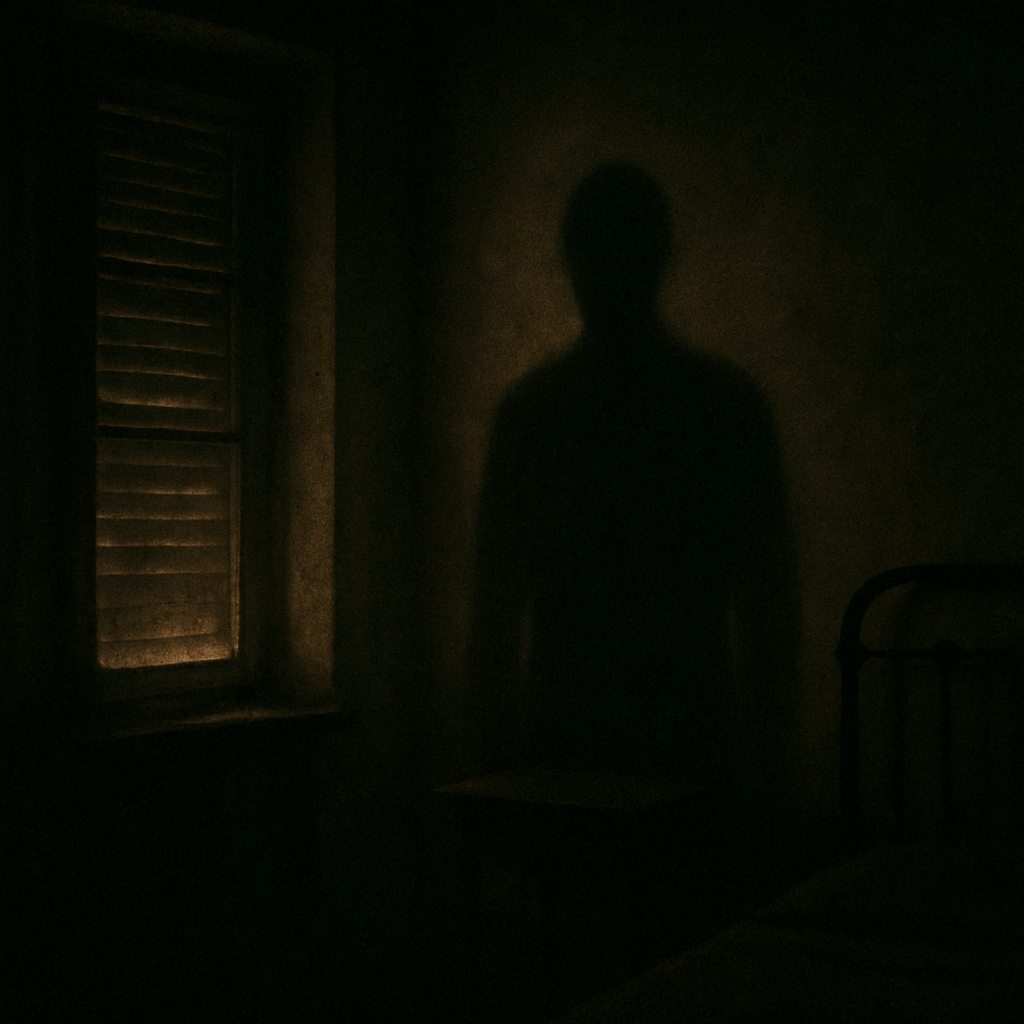
What Does It Mean for a House to Be Haunted?
An ordinary house can eventually become haunted for many unknown reasons. This notion is often tied to past events or emotions linked to the property. This can also be because of a curse or dangerous dark practices. It could be a reason for past unknown accidents that trapped the victim’s soul inside the house.
When a house becomes haunted, residents may experience various unexplained phenomena. These include strange noises or visible apparitions, creating an eerie atmosphere.
Common features of a haunting are:
- Unseen forces moving objects
- Cold spots appearing without cause
- Mysterious noises or voices
- Shadows or strange lights
Understanding what makes a home haunted needs exploring both physical and spiritual realms. While many haunted houses are harmless, others feel more malevolent. Each haunting story is unique to the house’s history and inhabitants. For personal safety, it’s crucial to evaluate these signs critically, considering both paranormal and logical explanations.
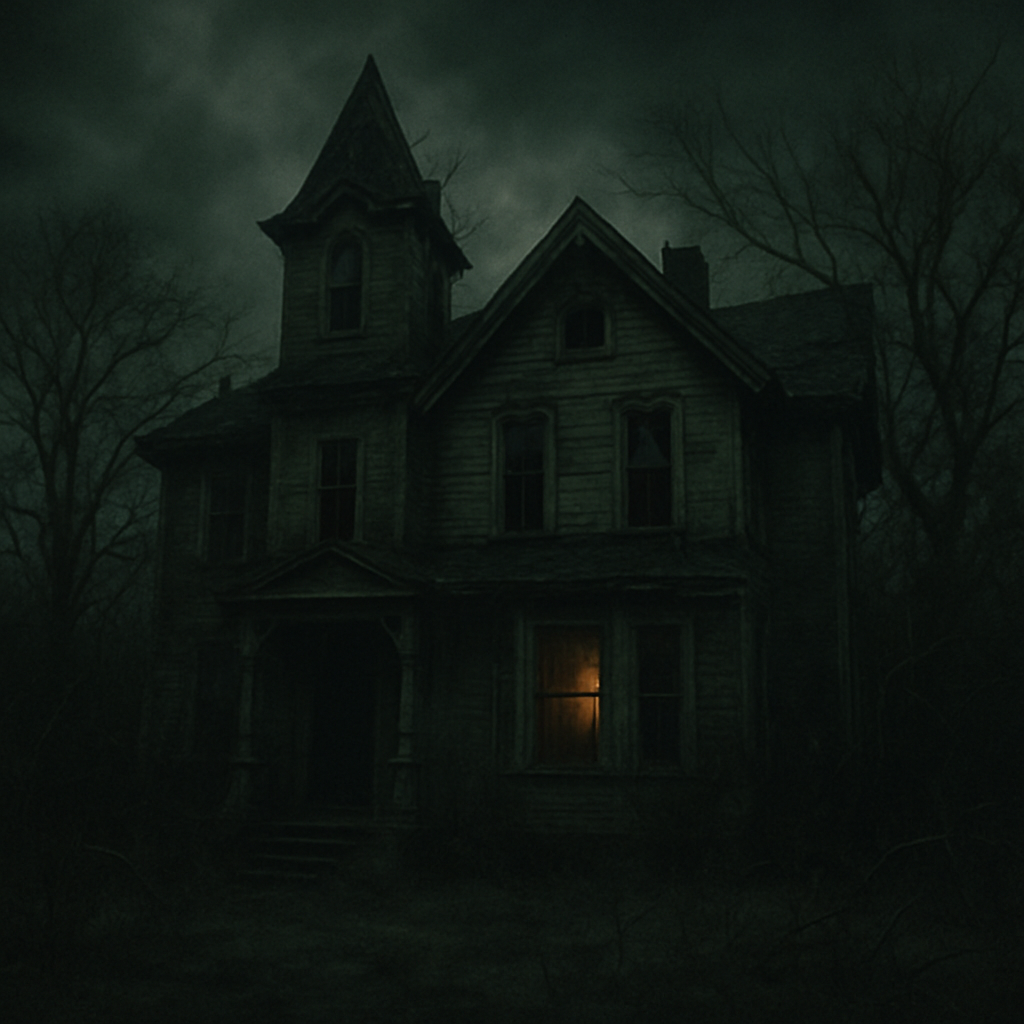
Common Signs of Paranormal Activity in Your Home
There are several signs that will help you identify the haunted house and provide answers to your lingering questions. Recognizing the early signs of paranormal activity is important without jumping to conclusions.
First, understand that paranormal activity often involves physical or sensory experiences. These can range from noises to visual phenomena that defy explanation.
Common indicators include:
- Unusual sounds such as footsteps or whispers
- Sudden temperature changes or cold spots
- Objects moving mysteriously
- Flickering lights and electrical malfunctions
Pets and children may also react to unseen entities. Their unique senses might detect what we cannot. It’s crucial to pay attention to their behavior if you suspect a haunting.
Documenting these occurrences can help in understanding their patterns. This step is essential before concluding that your house is haunted.
Lastly, do not overlook logical explanations. Always consider the possibility of natural causes before jumping to conclusions. A balanced approach is vital when discerning if you’re experiencing true paranormal activity.

Unexplained Noises and Sounds
Noises and sounds are common signs that might suggest a haunting. These sounds can range from simple rustling to eerie whispers.
Many people report:
- Footsteps in empty rooms
- Knocks or banging on walls
- Strange whispers or voices
Such experiences can cause unease and discomfort. Often, these sounds seem to happen when you least expect them.
It’s crucial to differentiate between normal house sounds and the unexplained. Investigate to ensure there’s no rational cause, like animals or structural issues.
Cold Spots and Sudden Temperature Changes
A sudden temperature drop can indicate ghostly activity. Many haunted houses have specific areas where cold spots occur.
Feeling cold air with no obvious source is one potential indicator. It often feels as if you’re walking through a chill that lingers.
These cold spots might be localized, appearing in particular rooms or corners. This can suggest a ghost in the house, using energy to manifest itself.
Be sure to investigate possible drafts or ventilation problems. Understanding these can help determine the true nature of the temperature change.
Moving Objects and Physical Disturbances
Objects moving on their own can be startling. Such disturbances often suggest something beyond the physical world at play.
You might encounter:
- Books falling from shelves
- Doors opening and closing by themselves
- Keys found in odd places
These experiences might be hard to ignore. Objects seem to shift without human interaction, leaving residents confused.
While unsettling, consider environmental factors. Sometimes vibrations or airflow might explain object movement. But if no logical reason can be found, a haunting might be in play.
Electrical Disturbances and Flickering Lights
Unpredictable electrical activity is another potential sign. Haunted houses might experience erratic behavior in their appliances and lighting.
Lights might flicker or dim with no electrical issues in sight. Devices might turn on or off without human touch.
Such disturbances might indicate a paranormal presence. However, check the electrical systems first. Faulty wiring could cause similar problems.
If disturbances persist without explanation, paranormal activity could be at work. Document patterns, timing, and conditions to better understand.
Strange Smells and Unusual Odors
Odd smells with no source can point to a haunting. These odors might evoke memories of past events related to the house.
Common scents include:
- Perfume or flowers
- Tobacco smoke or cigars
- Decay or rot
Such smells can fade as quickly as they arrive, leaving questions. It’s vital to ensure these aren’t from a natural cause or source.
If mysterious odors appear frequently, consider the paranormal. They might suggest spiritual activity, leaving a symbolic trace.
Apparitions, Shadows, and Orbs
Seeing figures or lights can be a horror experience. Spirits manifest in various ways, indicating a potential haunting.
People often report:
- Transparent figures
- Mysterious shadows crossing rooms
- Orbs caught in photographs
These visions can leave lingering impressions. They often appear suddenly, lasting only for moments.
While compelling, verify these experiences. Ensure no logical explanation for lighting or reflections exists. If apparitions continue, documenting with photos can provide evidence.

Pets and Children Sensing the Unseen
Pets and children might perceive paranormal activity before adults. Their innocent perspective and keen senses can detect the unseen.
Cats might hiss at empty corners. Dogs might bark at seemingly nothing. Children might describe imaginary friends that seem unusually real.
Such behaviors suggest they might sense spirits or changes in energy. Pay close attention to their reactions in different areas of the house.
While unusual, these can also be purely behavioral. Before attributing to spirits, consider other factors like stress or environment.
How to Tell If Your House Is Haunted: Steps to Take
Determining if your house is haunted requires observation and analysis. Start by collecting evidence to understand the situation better. These steps outline how to tell if your house is haunted practically.
Begin by documenting occurrences:
- Keep a journal of dates, times, and descriptions
- Record audio or video in areas of activity
Next, investigate the history of your home. This can provide context or reveal past events influencing current experiences.
Conduct research by:
- Checking local archives or public records
- Talking to previous residents for similar stories
Consider experimenting with paranormal detection tools. These can help assess unusual energies or phenomena within your home.
Utilize tools like:
- EMF meters for electromagnetic field fluctuations
Lastly, seek support from online communities or forums, or find a spiritual protection guide. Sharing experiences with others can offer insight and validation. These ideas also demonstrate how to see if your house is haunted without relying solely on anecdotes.
Remember, not all activity is harmful. Maintain an open mind, but also practice caution. Always prioritize your safety over exploration.

Logical Explanations vs. Paranormal Activity
Before concluding that your house is haunted, consider logical explanations. Many occurrences may have mundane causes that seem eerie at first glance. Ask yourself, is my house haunted, or is there a simpler cause?
Common explanations include:
- Drafts are causing doors to move
- Electrical issues affecting lights or devices
- Structural changes causing unusual sounds
Analyzing these factors might demystify some experiences. Often, fear can amplify normal occurrences into perceived paranormal activity.
Investigating these potential causes can save stress and help you make an informed judgment. A balanced approach combines skepticism with curiosity, ensuring a comprehensive understanding of each situation.
What to Do If You Suspect Your House Is Haunted
If you sense unusual activities in your home, don’t panic. Start by documenting what occurs and when, noting patterns or changes.
Keeping track might help uncover what you’re dealing with. Consider speaking with others who have experienced similar issues. They can offer support and advice on handling these situations.
Additionally, exploring potential paranormal explanations may involve:
- Consulting paranormal investigators
- Search for a spiritual protection guide
- Researching the history of the property
- Ask for help from Divine Power
Approaching the situation methodically can offer peace of mind. It will also help in understanding the nature of the occurrences in your home.
When to Seek Professional Help
Sometimes, unusual events can affect your mental well-being. If feelings of dread or anxiety persist, consider seeking help. Professionals can offer guidance and support.
Engaging with a mental health expert might be beneficial. They can help determine whether experiences are psychological or truly paranormal in nature. Don’t hesitate to reach out for professional assistance.
Final Thoughts: Living With or Resolving a Haunting
Deciding to coexist with a haunting or seeking a resolution is personal. Some find peace or curiosity in living with spirits, while others may seek closure or relief.
Understanding your feelings and comfort levels is vital. If you’re still asking, “How do you know if your house is haunted?” or ” Is my house haunted?” these approaches can guide your next move. Whether choosing to investigate further or not, maintaining a balanced perspective can help in navigating these experiences effectively.
Q&A
Question: How can I tell if strange events are paranormal or just normal house issues?
Short answer: Start with a balanced, skeptical check. Many eerie events have simple causes. Drafts can move doors, electrical issues can make lights flicker, and structural changes can cause knocks or footsteps. Document what you experience (dates, times, conditions) to spot patterns, investigate possible natural explanations first, and only consider a haunting if consistent activity remains unexplained.
Question: What are the most common signs that a house might be haunted?
Short answer: Frequently reported signs include unusual sounds (footsteps, knocks, whispers), sudden temperature drops or cold spots, objects moving on their own (books falling, doors opening), electrical disturbances (flickering lights, devices turning on/off), strange smells with no source (perfume, tobacco, decay), and visual phenomena (apparitions, shadows, orbs in photos). Always verify there’s no logical cause—like drafts, ventilation issues, vibrations, or lighting/reflections—before concluding.
Question: Do pets and children really sense things adults can’t?
Short answer: They might react to things we miss. Cats may hiss at empty corners, dogs may bark at nothing obvious, and children might describe “imaginary friends” that feel unusually real. Pay attention to where and when these reactions happen, but also consider non-paranormal reasons such as stress, environment, or normal behavior before assuming a spiritual cause.
Question: What’s a practical, safe way to investigate if my house is haunted?
Short answer: Be methodical.
- Document occurrences with a journal, audio, or video.
- Research your home’s history via public records, local archives, and previous residents.
- If you choose to, try tools like EMF meters or spirit boxes to explore anomalies.
- Compare findings against natural explanations.
- Seek insight from online communities.
- Keep safety and common sense first—stay open-minded but cautious.
Question: When should I seek professional help?
Short answer: If persistent events affect your well-being or remain unexplained after logical checks, consider outside support. Paranormal investigators can help assess activity, and mental health professionals can provide guidance if dread or anxiety persists and help distinguish psychological from possible paranormal factors. Ultimately, deciding to coexist with or resolve a suspected haunting is personal—choose the path that best supports your safety and peace of mind.