

Mythology Stories from Greece and Beyond: A Beginner’s Guide
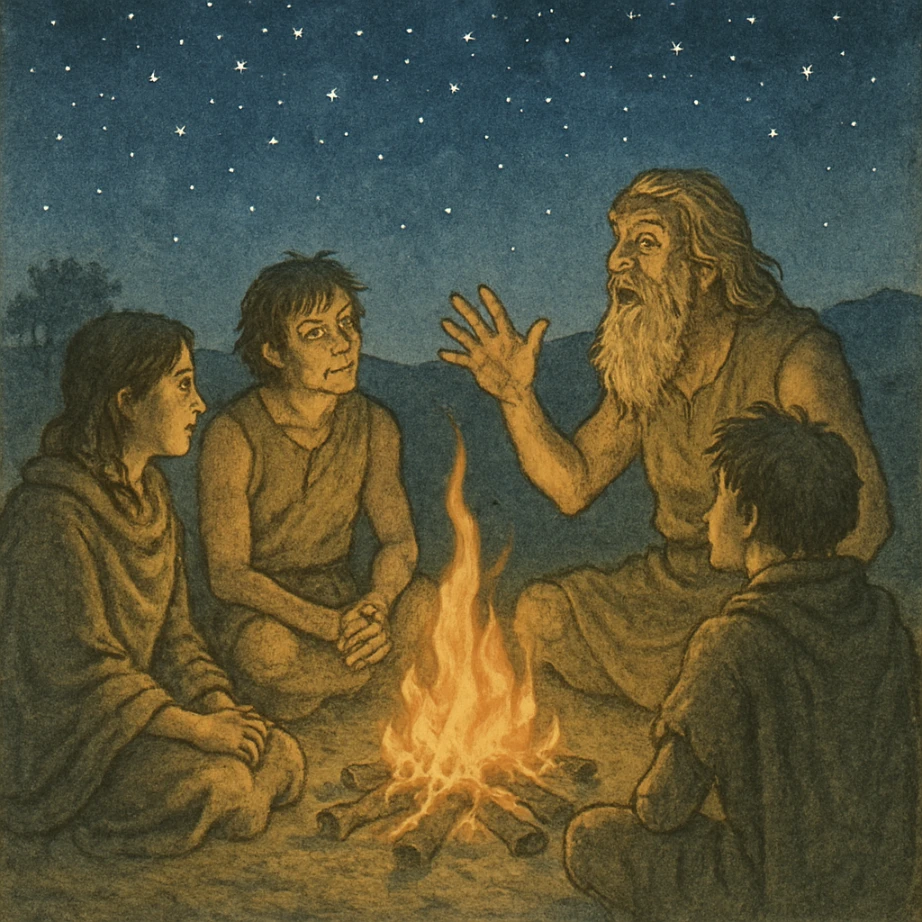
Humanity has always sought to understand the cosmos, the forces of nature, and the complexities of human emotion. Before the advent of written language and modern science, our ancestors gathered around fires to share tales of gods, monsters, and heroes. This marked the early evolution of oral storytelling traditions, an art form that preserved history, imparted wisdom, and birthed the captivating mythology stories we still cherish today.
But why are myths important to culture? Simply put, they are the mirrors of society. They reflect a civilization’s deepest fears, highest aspirations, and fundamental values. By studying these ancient narratives, we unlock the psychological and historical foundations of the modern world.
In this comprehensive guide, we will journey through time and geography. From the sun-drenched peaks of Mount Olympus to the frosty realms of Scandinavia, we will explore the timeless tales that continue to shape human imagination.
A Beginner’s Guide to Classical Antiquity Lore
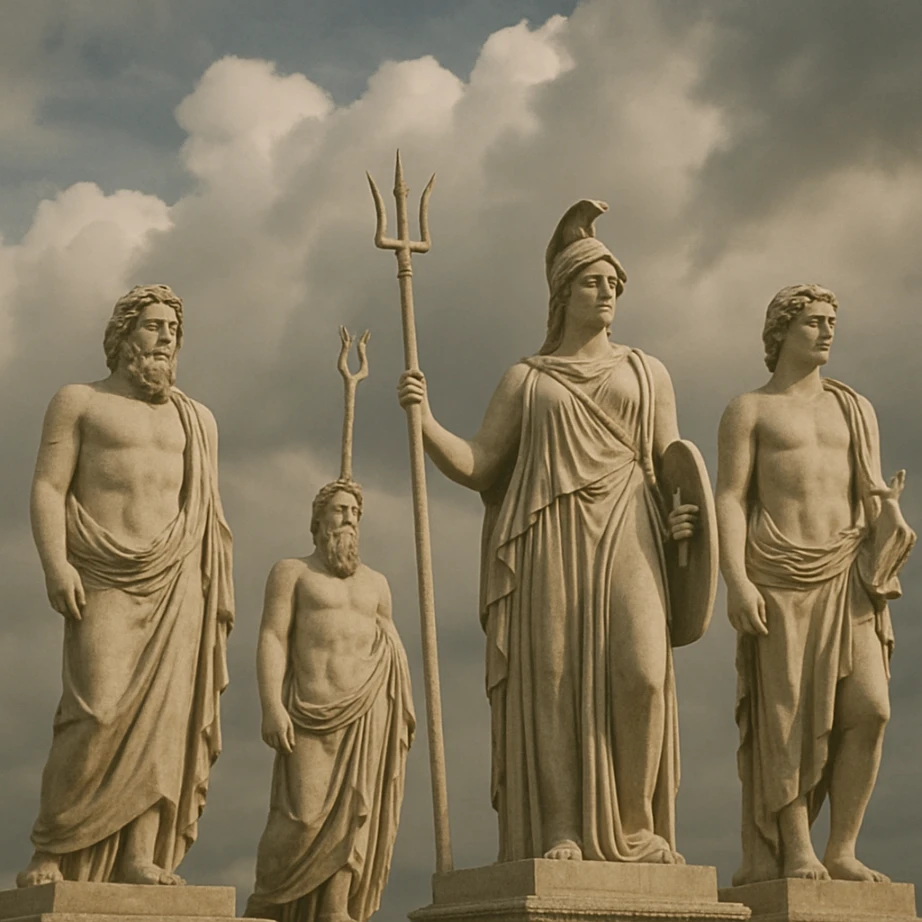
When diving into a beginner’s guide to classical antiquity lore, the best place to start is the Mediterranean. Greek mythology remains the most recognizable and widely studied pantheon in the Western world, deeply embedded in our literature, psychology, and pop culture.
The Genesis of Mount Olympus
A common question among history enthusiasts is: when were Greek myths created? While it is difficult to pinpoint an exact date, these narratives began taking shape during the Greek Bronze Age (around 3000–1050 BCE). Epic poets like Homer and Hesiod passed them down orally for centuries before solidifying them in writing around the 8th century BCE.
The Greeks used their pantheon to explain everything from the changing of the seasons to the unpredictable nature of the sea. Exploring popular Greek gods and their legends introduces us to a wildly dysfunctional, yet deeply fascinating, celestial family. From Zeus’s thunderous rule to Athena’s strategic wisdom, Greek gods’ stories and myths showcase deities who possessed immense power but suffered from very human flaws like jealousy, pride, and greed.
Exploring Famous Tales and Trivia
Whether you are a teacher looking for engaging Greek myths for students or a lifelong learner, the classical world is full of wonders. Some of the most famous Greek myths—such as the tragic tale of Orpheus and Eurydice, or the heroic twelve labors of Hercules—serve as enduring parables about love, hubris, and perseverance.
If you prefer quick reads, Greek mythology short stories offer bite-sized entertainment. For instance, the story of King Midas teaches a swift, potent lesson about the dangers of greed, while the tale of Narcissus warns against the perils of vanity.
Here are a few fun facts on Greek mythology that often surprise readers:
- Ares, the god of war, was actually considered a coward by his fellow gods and was deeply unpopular among ancient Greeks.
- Medusa was not born a monster; she was cursed by Athena.
- The concept of the “Cornucopia” (horn of plenty) originated from the magical horn of the goat Amalthea, who nursed infant Zeus.
These cool Greek myths and larger-than-life Greek legend stories are more than just ancient fiction; they are cultural cornerstones. Today, we still see the influence of ancient Greek things—from philosophical concepts to tangible artifacts like pottery, theater masks, and architectural columns—permeating modern society.
Beyond Olympus: Exploring Global Mythology Stories
While the Mediterranean holds a special place in history, examining the origin of world folklore and legends reveals a spectacular diversity of human imagination. Other mythology stories from around the globe offer completely different perspectives on the universe.
The Nile and the Americas
To the south, the cosmos was born from chaotic, primordial waters—a concept beautifully illustrated when you get ancient Egyptian creation myths explained. Unlike the Greeks, whose gods often bickered, the Egyptian pantheon (like Ra, Osiris, and Isis) deeply focused on Ma’at—the concept of cosmic order, balance, and harmony.
Further across the globe, the indigenous peoples of the Americas developed incredibly complex cosmologies. Analyzing aztec vs mayan spiritual beliefs reveals distinct, yet overlapping, worldviews. Both cultures revered feathered serpents (Quetzalcoatl for the Aztecs, Kukulkan for the Maya) and believed in cyclical ages of creation and destruction. However, the Aztecs placed a heavier emphasis on sun worship and blood sacrifice to keep the universe from ending, while Mayan mythology—recorded in the sacred Popol Vuh—focused heavily on the duality of life and the intricate calendars tied to agricultural cycles.
European Folklore and the Northern Realms
In ancient Western Europe, the natural world was alive with magic. Many significant Celtic folklore creatures played crucial roles in explaining the mysteries of the deep forests and treacherous bogs. From the shape-shifting Púca to the tragic, seal-like Selkies and the wailing Banshee, Celtic peoples deeply rooted their myths in a reverence for nature and the blurred lines between the mortal realm and the “Otherworld.”
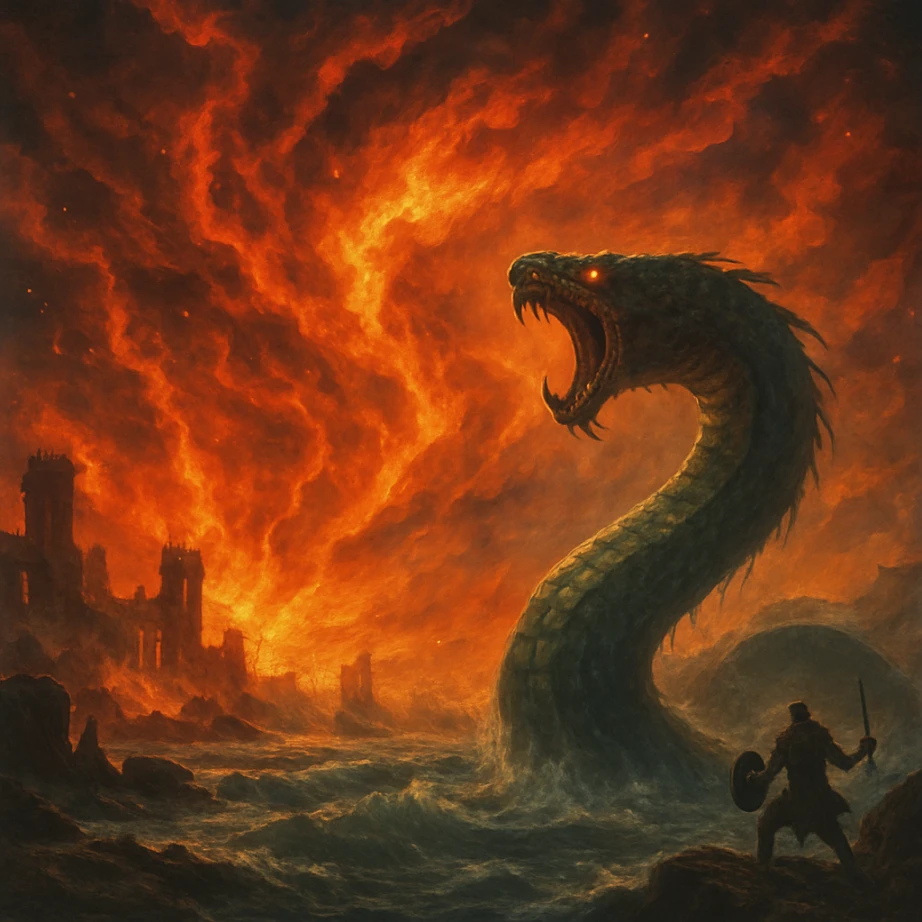
Moving North, a favorite debate among mythology enthusiasts is Norse mythology vs greek mythology. While Greek deities are immortal and often revel in their invincibility, Norse gods are distinctly mortal. They fight, they age (requiring magical apples to stay young), and they know destiny will kill them. This fatalistic worldview is perfectly encapsulated in the meaning of Ragnarok in Scandinavian tradition. Ragnarok is not just the end of the world; it is a prophecy of an epic, final battle where the gods themselves will fall, leading to the earth’s apocalyptic destruction and its ultimate, cleansed rebirth.
The Anatomy of a Myth: Decoding the Legends
How do we make sense of these ancient narratives, and what can they teach us today? By analyzing the structure and symbols of these tales, we can uncover the shared psychology of mankind.
The Hero’s Journey and Archetypes
Across all cultures, we see remarkably common archetypes in hero stories: the wise mentor, the shapeshifter, the shadow, and the reluctant hero. Joseph Campbell famously outlined this universal pattern in his monomyth theory. Campbell proposed that almost all hero narratives—from the ancient Epic of Gilgamesh to modern cinematic universes—follow a single, underlying structure:
- Departure: The hero receives a call to adventure and leaves their ordinary world.
- Initiation: The hero faces trials, confronts a supreme ordeal, and gains a reward or newfound wisdom.
- Return: The hero returns home, transformed, to use their new knowledge to help their people.
While these stories are highly stylized, scholars constantly debate whether legendary heroes were historically accurate. For example, for centuries, people considered the city of Troy a pure myth. It wasn’t until the 19th century that archaeologists discovered the real ruins of Troy in modern-day Turkey. The Trojan War likely had roots in a real historical conflict, even if the gods didn’t actively guide the arrows of the soldiers.
Symbolism and Moral Lessons
To truly appreciate these texts, one must learn how to analyze mythological symbolism. Symbols in mythology are rarely literal. A serpent might represent rebirth and healing in one culture (as it sheds its skin) and primeval chaos in another. Water almost universally symbolizes both life-giving creation and destructive, uncontrollable power.
Furthermore, interpreting moral lessons in ancient fables requires understanding the cultural context of the time. While a modern reader might view a mythological punishment as excessively cruel, to the ancients, it served as a vital warning against disrupting social harmony or disrespecting the divine order.
Actionable Tips for Delving Deeper into Mythology
Ready to start your own mythological journey? Here are some practical tips to help you get the most out of your reading:
- Start with Anthologies: Don’t jump straight into dense, translated epics like The Iliad without context. Start with modern retellings or anthologies designed to make the lore accessible.
- Compare and Contrast: When reading a myth from one culture, actively look for its parallel in another. Compare the Greek flood myth of Deucalion with the biblical story of Noah or the Mesopotamian tale of Utnapishtim.
- Look for the Root Cause: When reading a myth, ask yourself: What natural phenomenon or human emotion was this story trying to explain?
- Explore Modern Retellings: Many contemporary authors have brilliantly reimagined classic myths from new perspectives, particularly giving voice to historically marginalized characters within the original lore.
Final Thoughts
The rich tapestry of mythology is far more than a collection of outdated bedtime stories. It is a vibrant, enduring record of human curiosity, resilience, and imagination. From the sun-gods of Egypt and the feathered serpents of Mesoamerica to the lightning-wielding rulers of Olympus, these tales have shaped our languages, our art, and our understanding of heroism.
By taking the time to understand the symbolism, historical context, and cultural significance of these legends, we do more than just learn about our ancestors. We hold up a mirror to ourselves, discovering that the human heart—with all its fears, hopes, and dreams—has remained remarkably unchanged since the very first storyteller spoke into the firelight.
Q&A
Question: Why are myths important to culture?
Short answer: Myths act as mirrors of society, reflecting a civilization’s fears, aspirations, and core values. By studying them, we uncover the psychological and historical foundations that continue to shape the modern world—how people understood nature, morality, power, and community across time.
Question: When were Greek myths created, and how did they reach us today?
Short answer: Greek myths began forming during the Greek Bronze Age (around 3000–1050 BCE) and were preserved through oral storytelling for centuries. They were later written down by epic poets like Homer and Hesiod around the 8th century BCE, giving us many of the versions we study now.
Question: How does Norse mythology differ from Greek mythology, and what does Ragnarok mean?
Short answer: Greek gods are immortal and often revel in their invincibility, while Norse gods are mortal, age (relying on magical apples), and accept a fated end. This fatalistic outlook culminates in Ragnarok—a prophesied final battle in which the gods fall, the world is destroyed, and then reborn in a cleansed, renewed form.
Question: How do Aztec and Mayan spiritual beliefs compare?
Short answer: Both traditions feature feathered serpent deities (Quetzalcoatl for the Aztecs, Kukulkan for the Maya) and envision cyclical ages of creation and destruction. The Aztecs emphasized sun worship and blood sacrifice to sustain the cosmos, while Mayan mythology—preserved in the Popol Vuh—focuses on duality and intricate calendar systems tied to agriculture.
Question: What is the Hero’s Journey, and which archetypes commonly appear in myths?
Short answer: The Hero’s Journey, outlined by Joseph Campbell, is a recurring narrative pattern: Departure (call to adventure), Initiation (trials and a supreme ordeal), and Return (coming home transformed). Common archetypes include the wise mentor, the shapeshifter, the shadow (antagonistic force), and the reluctant hero—figures that appear across cultures from ancient epics to modern stories.