

Native American creatures are often seen as myths or fictional beings, but they are considered real and significant in Native American culture. They play a key role in religious beliefs, illustrating the balance in nature, setting moral rules, and defining the relationship between people and nature. Before European invaders arrived in North America, Native American geography had a rich and complex history. Their oral tales of Native American creatures involve moving beyond Western views of folklore. This post will examine various mythical beings from different tribes, focusing on their traits, importance, and the lessons they offer. The stories of these creatures remain relevant today.
True Keepers of the Archive
The traditions are kept alive through oral history, with storytellers serving as skilled historians, legal experts, and librarians. Their storytelling is crucial for accurate historical preservation. The Table mentions three key Culture Heroes and Tricksters from different regions, recognized as complex and respected figures in Indigenous oral traditions.
| Culture / Region | Trickster Figure (Native Name) |
| Navajo / Apache | Coyote (Mą’ii) |
| Pacific Northwest | Raven (Yéil) |
| Northern Woodlands | Nanabozho (The Great Hare) |
The “Trickster” archetype, represented by figures like Coyote, Raven, and Nanabozho, plays a key role in the preservation system. These beings challenge boundaries and reflect human flaws through their chaotic actions, teaching the community behavior beyond strict laws. The landscape defines the narrative. The creatures are part of a nation’s heritage. They perfectly reflect the unique ecological challenges and geography of their existence.
North America had many diverse Indigenous nations, each with unique languages, geographies, and spiritual views, making it impossible to create a single list of all their sacred entities. These beings are not fictional but are vital forces, protectors, and moral teachers in their cultures. They feature prominently in storytelling, ceremonies, and community life, conveying important lessons and values. This overview will focus on the most significant and recognized entities in North American Indigenous traditions. For many communities, these beings are living presences that shape spiritual practices and community values, reflecting insights into human nature and our connection to the natural world.
Here’s a list of some fascinating creatures from Native American folklore, many of which evoke a sense of mystery and Wonder
1. Dzunukwa (The Basket Ogress):
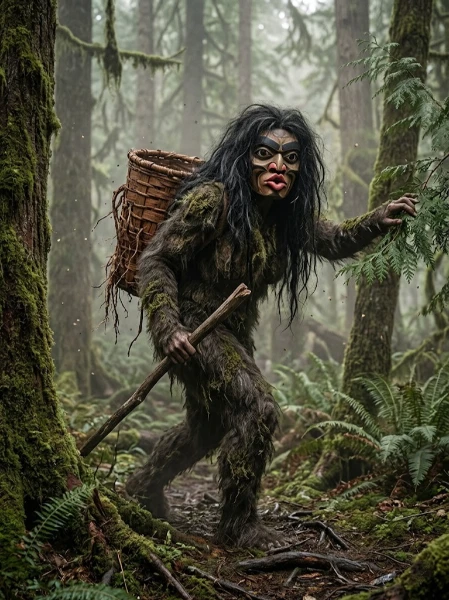
In the Kwakwaka’wakw culture, she is a colossal, hairy giantess who wanders the deep woods with pursed lips, making a crying “Hu-hu-hu” sound. She carries a woven cedar basket to snatch up children who wander past the safety of the village fire. She is a brilliant ecological boundary marker, teaching children that the deep forest is beautiful but inherently lethal.
2. The Bukwus
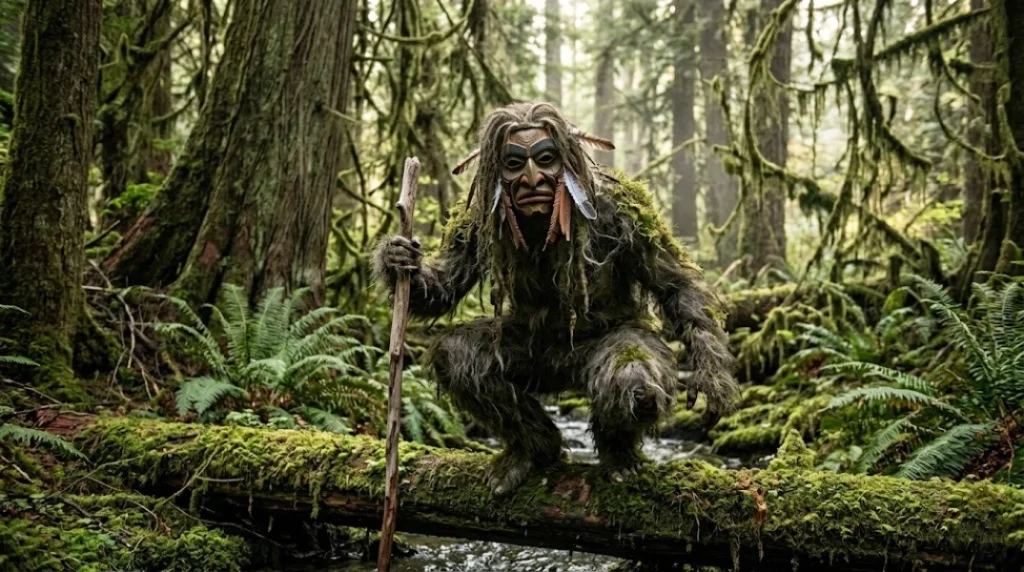
Often called the “Wild Man of the Woods,” this skeletal, ghost-like entity haunts the misty coastlines, hiding in the shadows of beach logs. Associated with the spirits of drowned travelers, the Bukwus hunts for lonely, grieving people, offering them “ghost food” (like rotten wood or barnacles). If they eat it, they lose their sanity and slip permanently into the spirit realm.
3. The Kachinas
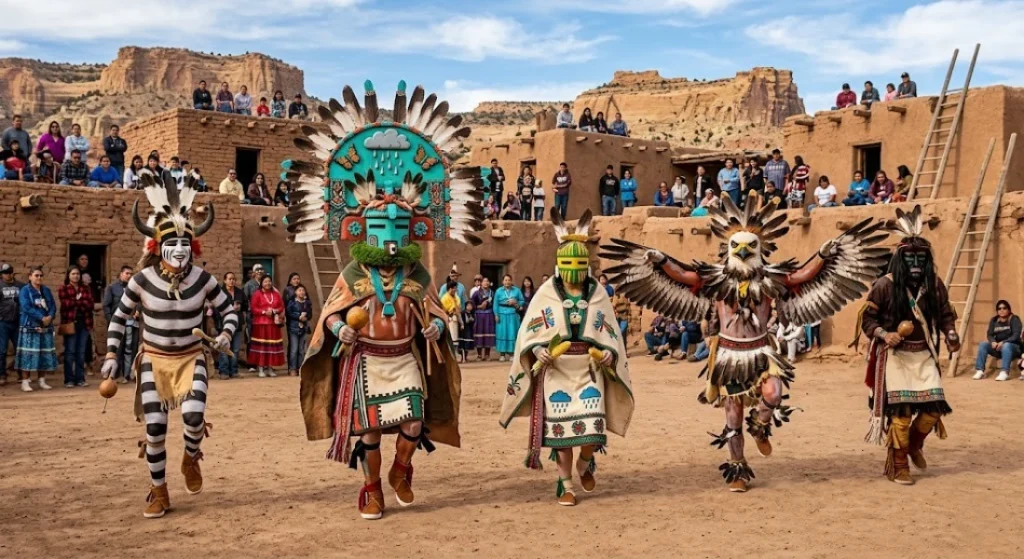
In Hopi culture, Kachinas are spirit beings that represent various natural aspects of life. They often appear as dolls or masks during important ceremonies and act as messengers between the spiritual and physical worlds. Kachinas symbolize different natural phenomena and play a crucial role in agriculture by enhancing fertility and ensuring successful rainy seasons. They highlight the connection between humans and nature, emphasizing the importance of appreciating the environment for survival. During ceremonies, participants perform dance rituals and offer prayers to thank Kachinas for their blessings, reflecting the community’s deep respect for its culture and traditions.
4. Coyote
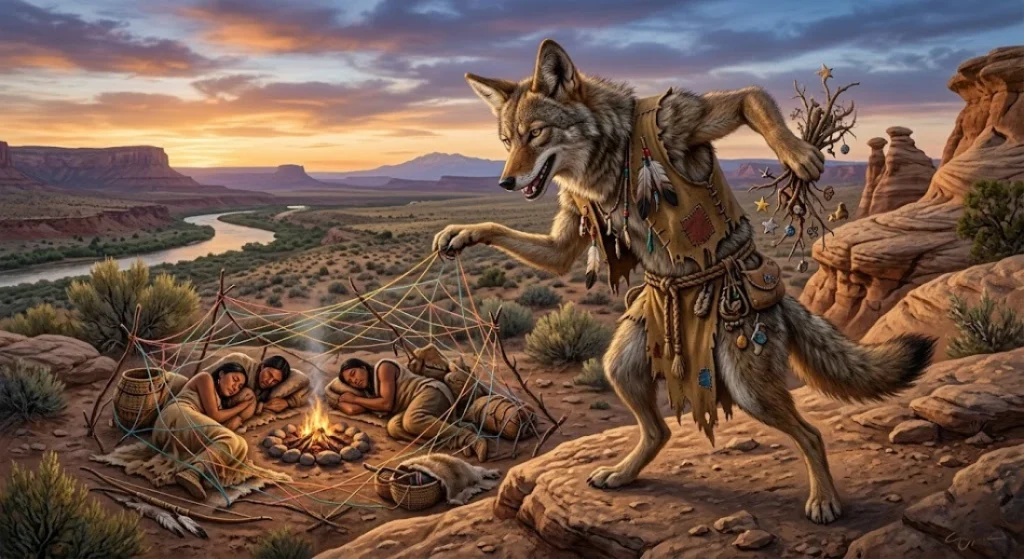
Coyote is more than a trickster; he is a complex figure in many Native American stories. Known as the Trickster, he embodies contradictions—foolish yet wise, selfish yet generous, both a creator and a destroyer. His tales entertain, but they also teach important lessons about human nature.
When Coyote schemes to outsmart others, his plans often fail, highlighting the value of resilience and adaptability. His mistakes reveal important insights, reminding us that wisdom comes from overcoming flaws, not from being perfect. Ultimately, Coyote’s adventures guide communities on living harmoniously, respecting nature, and finding humor and humility in a chaotic world.
5. The Little People of the Forest (The Pukwudgie)
In the dense, shadowy mixed forests of the Northeast and Great Lakes, the spiritual landscape is populated by highly protective, territorial entities that require deep diplomatic respect.
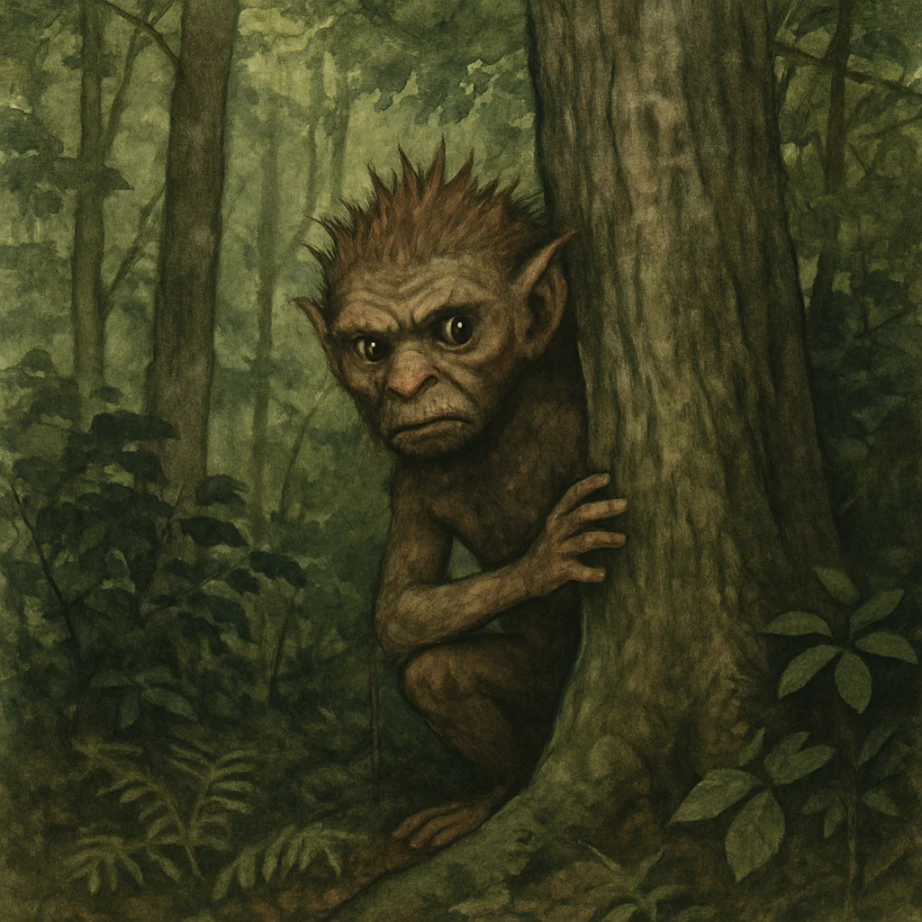
The Pukwudgies, rooted in Wampanoag history, particularly in Mashpee, Massachusetts, are more than fairy tales. They symbolize a broken connection with nature. These small beings are two to three feet tall with gray skin. They once lived harmoniously with humans until a spiritual debate caused by human ego disrupted that balance. The Pukwudgies now protect their territory fiercely. They possess ancient nature magic, allowing them to vanish or shape-shift into dangerous forms. They can blind travelers, mimic voices to lure people off cliffs, or attack with tiny arrows. Their stories serve as a warning about the consequences of disrespecting nature.
6. The Piasa Bird
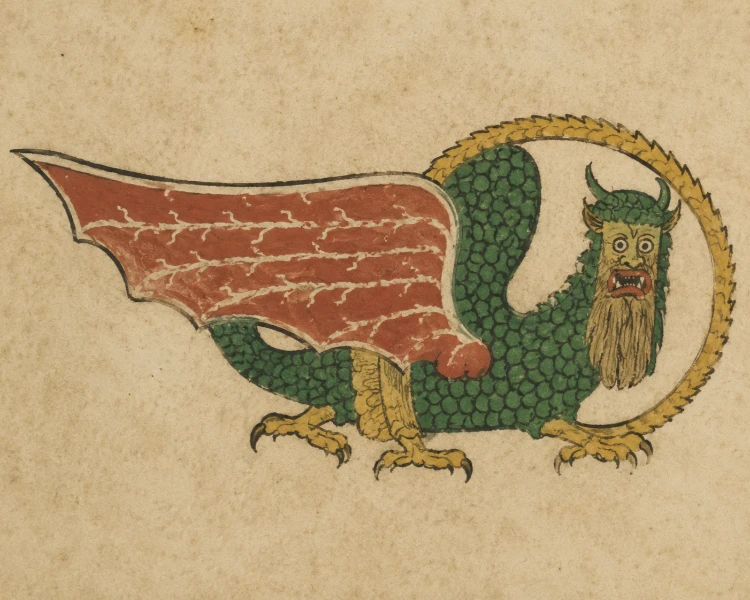
The Piasa Bird was a massive, dragon-like creature painted on the cliffs of the Mississippi River, seen by travelers entering the lands of the Illiniwek nation. It symbolized aerial power and was revered as a sacred guardian of the river. With shimmering scales, huge deer antlers, and a human-like face, the Piasa served as a reminder of ancient lore. Today, in Alton, Illinois, a recreation of this creature continues to inspire awe and connect the past with the present.
7. The Thunderbird (Wakį́yan)
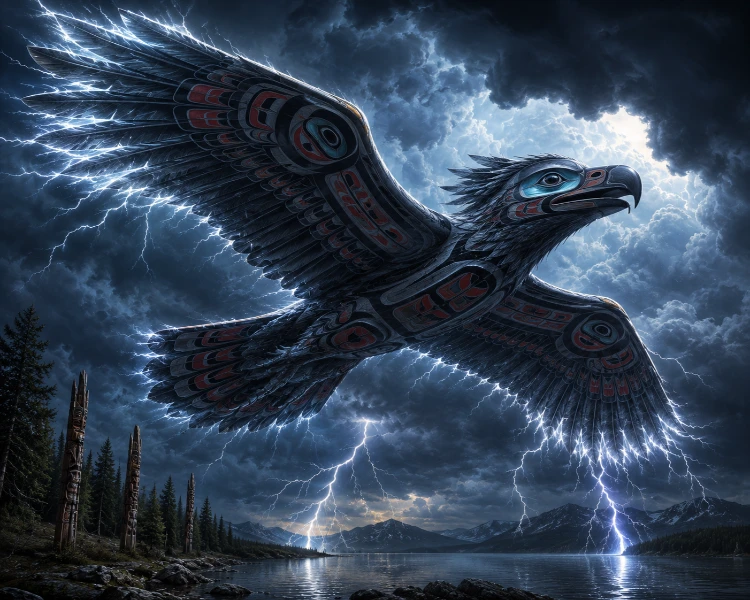
The Thunderbird is a significant figure in legend, representing a powerful spirit of the cosmos. This massive bird connects the earthly world with the divine, changing the atmosphere around it. When it appears, darkening the sky, its eyes create lightning, and the sound of its wings produces thunder. For many Indigenous nations, the Thunderbird serves as a guardian of the sky and is essential for bringing life-giving rain. However, it also represents fierce protection and martial justice against chaotic forces and reminds us to respect the powerful forces that sustain life.
8. The Horned Serpent (Unhcegila / Misi-kinebik)
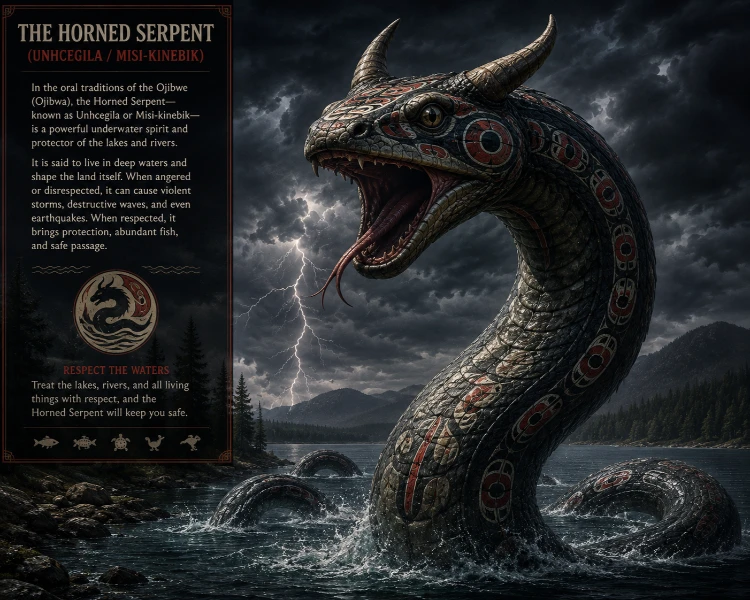
The Horned Serpent is an ancient creature representing the earth’s raw, unpredictable elements. It is a large, armored reptile with big antlers, living in dark lakes and wild rivers. In many Indigenous traditions, the Serpent symbolizes chaotic waters, capable of both supporting and destroying life. It is not a villain but a reminder of hidden dangers that require psychological and physical awareness. Its existence in oral history emphasizes the importance of approaching life’s unseen forces with caution, respect, and humility.
9. The Harmony
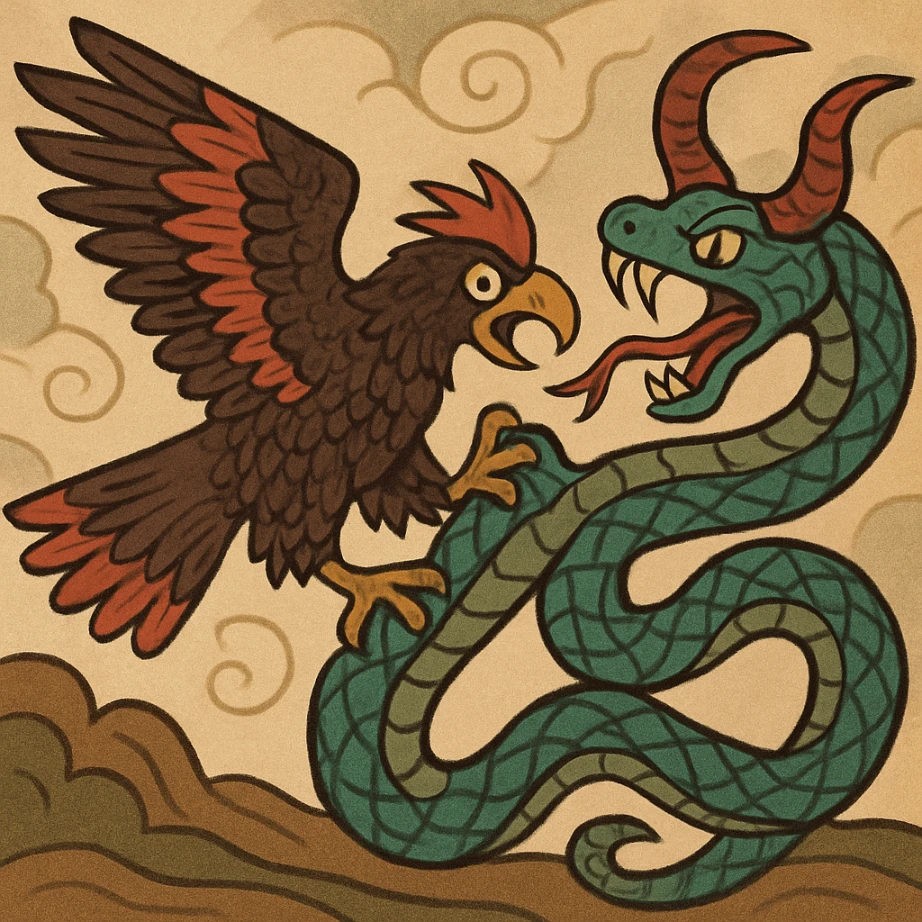
When Normal observers view the conflict between the Thunderbird and the Horned Serpent, they often wrongly see it as a simple battle of good versus evil. However, this overlooks the deeper meaning. In Indigenous philosophy, this struggle is a sacred, necessary balance that maintains the cosmos. The Thunderbird brings purification through storms, while the Horned Serpent stirs the waters, creating a vital interplay. Their ongoing tension is essential for nature, illustrating that harmony comes not from avoiding conflict but from balancing opposing forces that are crucial for life.
10. Wendigo
Modern Internet culture and Hollywood misrepresent Native American oral traditions by turning them into simple horror stories. This oversimplification erases their important cultural context, wisdom, and values. Confusing these two Native American creatures is not just a factual error; it strips them of their historical and cultural meaning. The Wendigo represents a warning against greed and selfishness, symbolizing a loss of empathy when one turns away from their community.
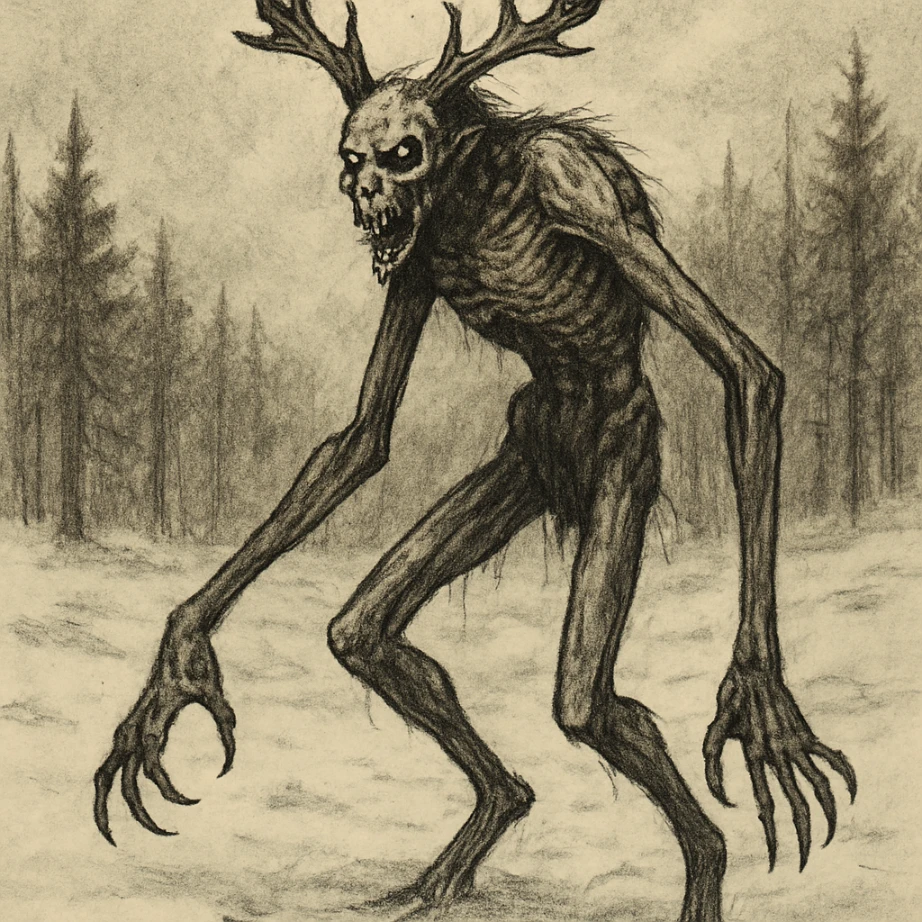
Originating among the Algonquian-speaking nations of the subarctic and northern forests (like the Ojibwe, Cree, and Innu), the Wendigo is born of the terrifying realities of winter starvation. A human only transforms into a Wendigo by committing the ultimate survival taboo: cannibalism.
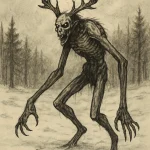
- The True Imagery: Pop culture incorrectly depicts the Wendigo as a humanoid deer with stag antlers—an image stolen from a completely unrelated 2001 horror movie. In genuine oral tradition, the Wendigo is an emaciated, decaying giant with ash-grey skin, sunken eyes, lips chewed away from its own hunger, and a heart made of literal ice.
- The Cultural Warning: The Wendigo is a profound psychological metaphor for individual greed and selfishness. As the monster eats a human, it grows larger in proportion, meaning its hunger is never satisfied. It warned communities that putting individual desires above the survival of the collective group was a spiritual death sentence.
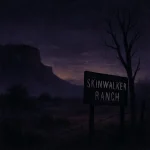
11. Skinwalker (Yee Naaldlooshii): The Corrupted Human
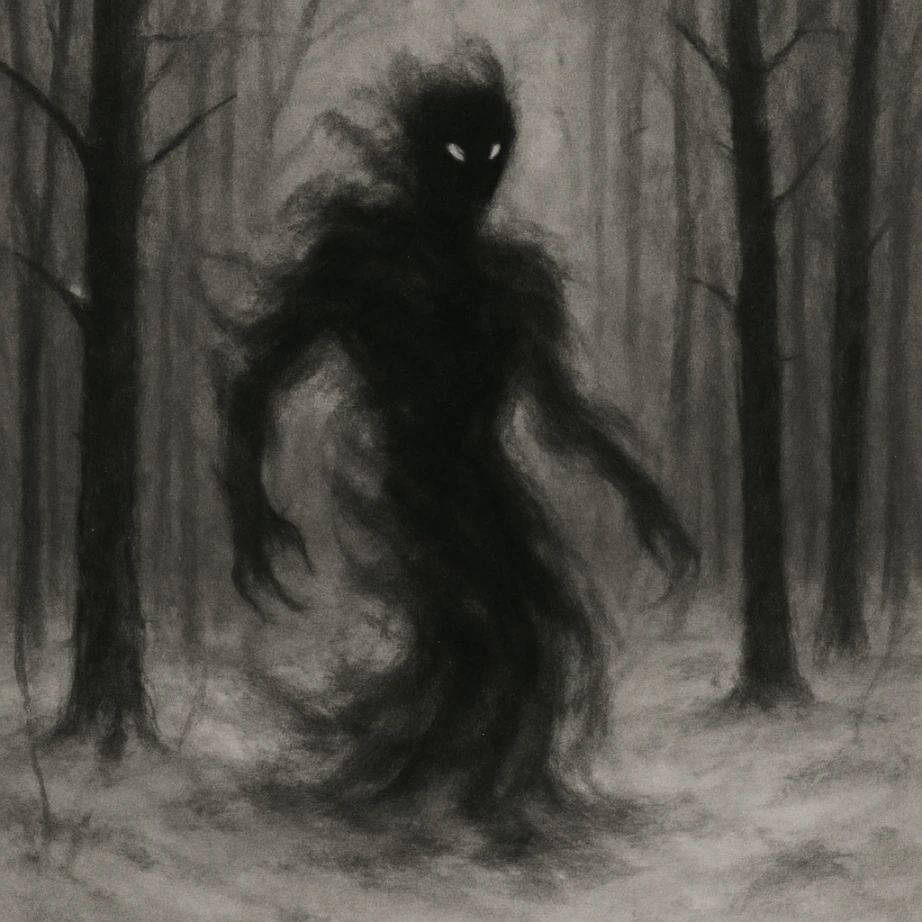
In complete contrast, the Skinwalker belongs exclusively to the Navajo (Diné) people of the hot American Southwest. A Skinwalker is not a monster born of winter starvation, nor is it a random creature running through the desert.
- The Reality: The Yee Naaldlooshii (meaning “with it, he goes on all fours”) is a living, breathing human witch. It is a medicine person who intentionally chose a path of absolute spiritual corruption, committing a horrific, unspeakable crime against their own family to acquire dark supernatural power.
- The Shape: They wear the pelts of specific predators—coyotes, wolves, or foxes—to take on their speed and form, using their power to inflict sickness, poison, and psychological terror on their community.
- The Taboo: The Skinwalker is an intensely painful, real, and sensitive topic within Navajo communities. Traditional Diné people will outright refuse to discuss it with outsiders, as speaking their name aloud or focusing on them is believed to actively invite their attention and malice to your doorstep. It is a sacred taboo, not a topic for casual internet entertainment.
12. The Ircenrraat
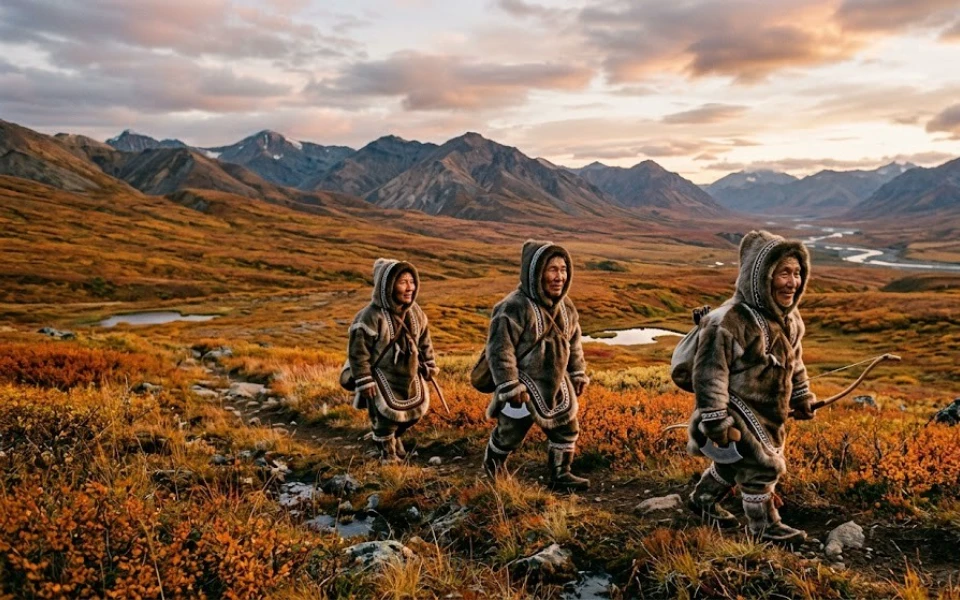
In Yup’ik oral history, the Ircenrraat are misrepresented as gnomes or dwarfs. According to traditional belief, they are a unique, non-human race living in a parallel dimension alongside humans. They are small, standing only two to three feet tall, yet are incredibly strong and fast. Ircenrraat are expert hunters; they skillfully navigate the northern landscape using traditional tools. Their ability to shift between dimensions sets them apart, allowing them to disappear from human sight instantly. The Ircenrraat remind us of the ancient, unseen beings who share our land.
While they can be mischievous, often pulling tricks like hiding a hunter’s tools, mimicking familiar sounds, or temporarily disorienting travelers so they get lost in the vast tundra. However, they are deeply respected in local traditions. Native people warn not to mock them to avoid misfortune. It is advised to leave small offerings, like a match or food, to show humility and acknowledge the unseen forces in the landscape.
13. The Memegwesi
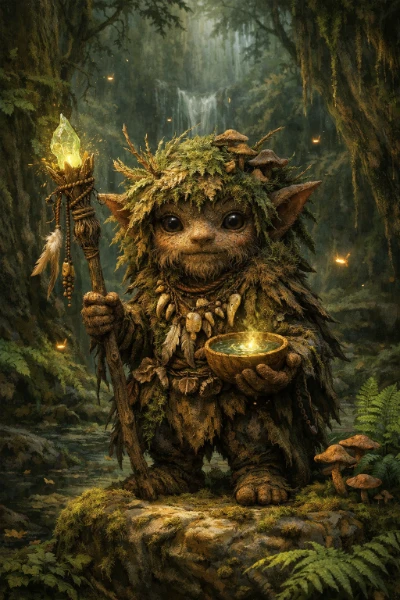
In the northern woodlands, the Anishinaabe, Ojibwe, Algonquin, and Cree nations share tales of the Memegwesi, small, hairy river beings found among misty riverbanks and caves. They are seen as protective figures for children, watching over them near the water. Adults are expected to have a good sense of humor, as the Memegwesi enjoy playing playful pranks on them, such as untying canoe paddles or making fishing lures disappear. The Memegwesi remind people to keep a light heart, stay curious about the world, and cherish laughter and joy in nature.
14. The Yunwi Tsundi: The Diverse Neighbors of the Cherokee
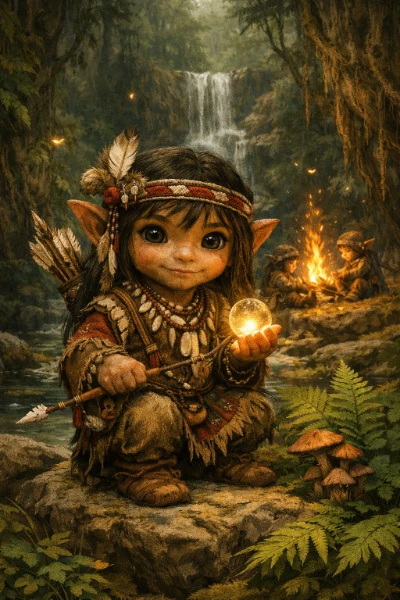
Deep in the Blue Ridge Mountains, the Cherokee people live alongside the Yunwi Tsundi, or “Little People.” This group is not just one type of creature but a society with different clans, each having its own personality and role. Some clans act as kind-hearted healers, helping lost travelers and guiding them with knowledge of forest plants. They connect deeply with nature and help humans when needed. Other clans are tricksters who enjoy playing pranks on those who disrespect the woods, using deception to teach humility and respect for nature.
The stories about the Yunwi Tsundi teach important lessons about humanity’s role in nature. They emphasize the need to honor the Earth and its spirits. By reflecting on their wisdom and actions, we can better understand our relationship with the natural world, highlighting the values of coexistence and respect for all beings that share our environment.
15. Great Basin: Water Babies
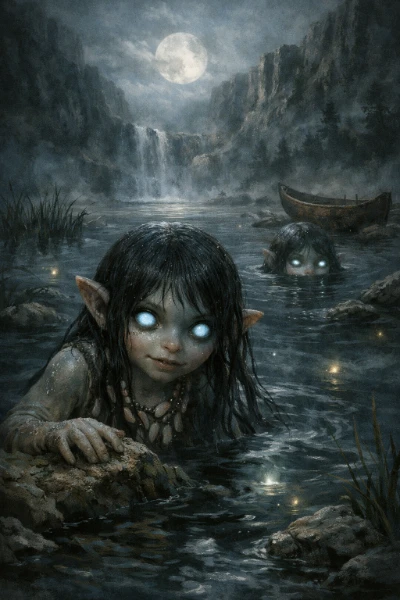
Water babies are believed to be strong, old water spirits. Its inhabitants are in the Great Basin area, which includes parts of California, Nevada, Utah, and Idaho. These creatures are highly respected and often feared. They are fundamental to the oral traditions of indigenous tribes, including the Paiute, Shoshone, Washoe, and Ute. They are actually far from being as sweet or harmless as their name implies. Unlike popular ghost stories, traditional tribes do not see water babies as spirits of dead infants. Rather, they are regarded as completely distinct, non-human supernatural beings and ancient forces of nature, existing long before humans.
16. Ogopogo
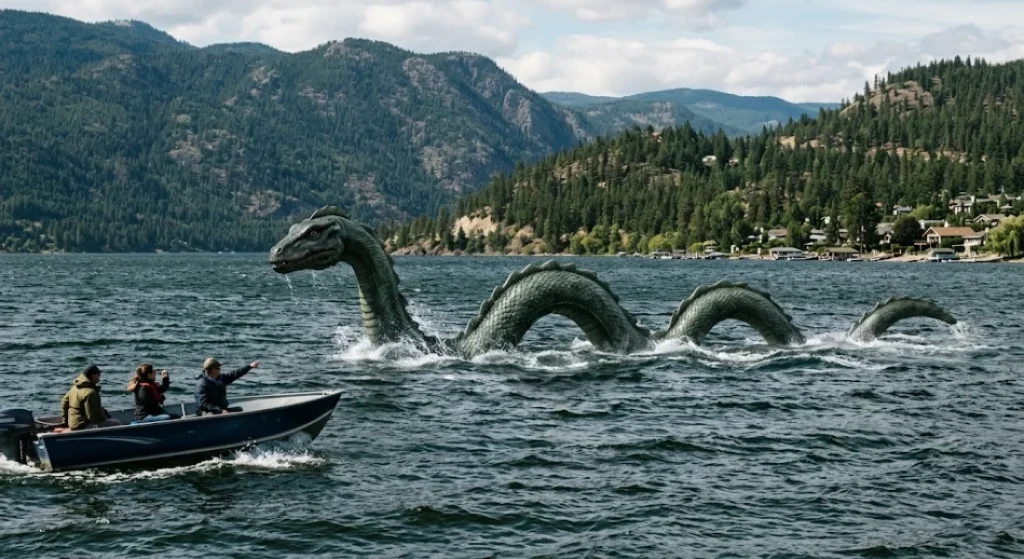
Long before “Ogopogo” became known to modern monster hunters, this legendary creature was significant in the oral histories of the Secwepemc and Syilx (Okanagan) nations. It is described as a giant serpent with a dragon-like head, seen as either a sacred water spirit or a fierce water demon. According to legend, before crossing the lake, Native Americans would carry tiny animals and sacrifice them for their safe journey. There are also stories about how someone may die in a river if they didn’t believe in the ogopogo. Even now, many people claim to have viewed the ogopogo.
17. The Big Foot
One major challenge in preserving Indigenous culture today is how reality TV shows and online forums portray ancient stories. They often label sacred beings as “cryptids,” treating them like ordinary, undiscovered animals rather than important cultural figures. A key example is Sasquatch, derived from the Coast Salish word Sásq’ets. While modern society views “Bigfoot” as a mysterious ape to be hunted for fame, Indigenous peoples see Sasquatch as a respected spirit and teacher, emphasizing the importance of living in harmony with nature. This viewpoint significantly alters the true meaning of the story.
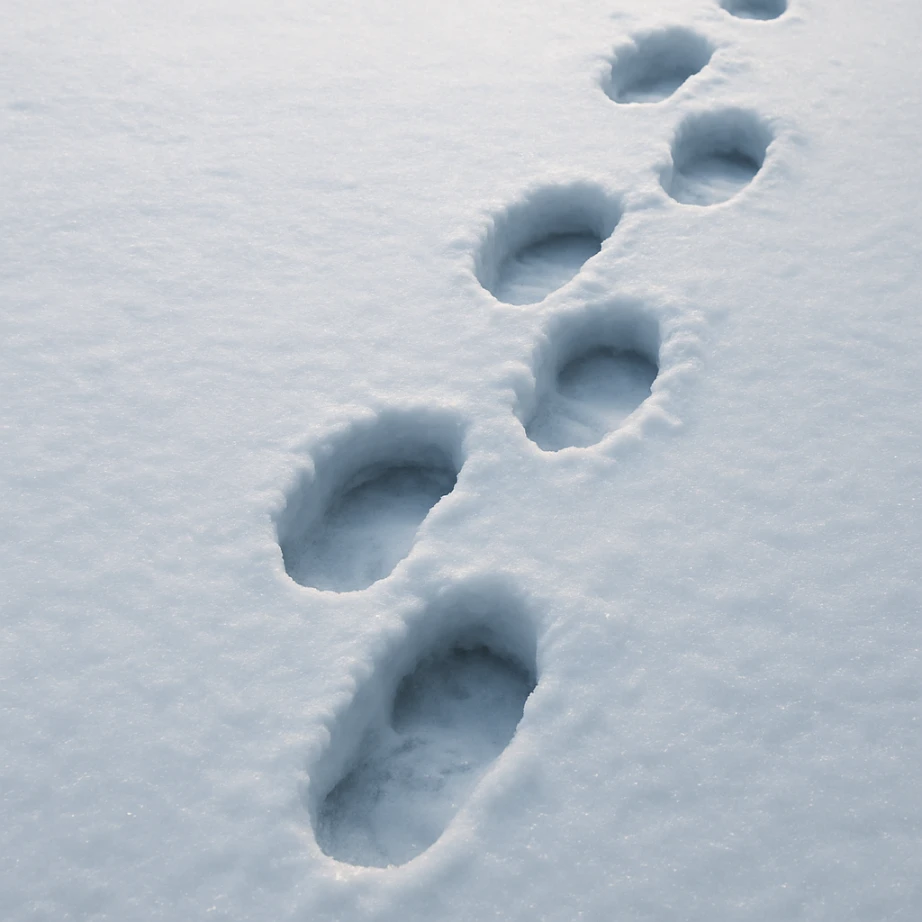
To outsiders, Bigfoot is seen as an undiscovered creature, but Indigenous nations view him as Sasquatch, a wise, conscious spirit and protector of nature. Unlike the wild beast portrayed in modern tales, tribal traditions describe him as a tall, powerful guardian of the woods. Sasquatch appears to remind humans of their responsibilities toward the environment and to live in harmony with nature.
The rich oral traditions of North American Indigenous peoples provide insight into their enduring love for the continent. Despite facing hardships like residential schools and land displacement, their stories have survived, highlighting the truth that losing stories means losing a way of life. These stories feature incredible beings that teach us about the cultures they represent and their core values, encouraging a deeper connection with nature. Young people can learn important life truths and understand their responsibility to care for the planet by listening to these tales. Keeping these lessons alive ensures ancestral wisdom guides future generations.