

Meditation has been a cornerstone of spiritual practice for centuries, and the teachings of the Buddha provide profound insights into how we can cultivate mindfulness and inner peace through meditation. In this post, we will explore various daily meditation techniques inspired by Buddhist teachings, which can help you enhance your practice and integrate meditation into your daily life.
The Essence of Buddhist Meditation

Before diving into specific techniques, it’s essential to understand the fundamental principles of meditation in Buddhism. The Buddha emphasized the importance of mindfulness (sati) and concentration (samadhi). His meditation practices focus on uncovering the nature of reality, cultivating compassion, and achieving enlightenment (nirvana). Here are some key concepts:
- Mindfulness: Being fully present in the moment, acknowledging thoughts and feelings without judgment.
- Impermanence: Recognizing that all things are transient, which helps reduce attachment and suffering.
- Compassion: Developing a loving-kindness towards oneself and others.
- Non-self: Understanding that the self is an illusion, which leads to less ego and more peace.
Daily Meditation Techniques
1. Mindfulness Meditation (Vipassana)
One of the most direct forms of meditation taught by the Buddha is Vipassana, or insight meditation. It focuses on mindfulness and observation. Here’s how to practice it daily:
- Find a Quiet Spot: Sit comfortably on a cushion or chair where you won’t be disturbed.
- Posture: Keep your back straight and hands resting on your knees or in your lap. Close your eyes lightly or keep them open with a soft gaze.
- Focus on the Breath: Pay attention to your breath as it flows in and out. Notice the sensations of breathing in your abdomen or nostrils.
- Observe Without Judgement: Thoughts will arise—acknowledge them but gently return your focus to your breath.
- Duration: Start with 5-10 minutes and gradually increase to 20-30 minutes.
2. Loving-Kindness Meditation (Metta)
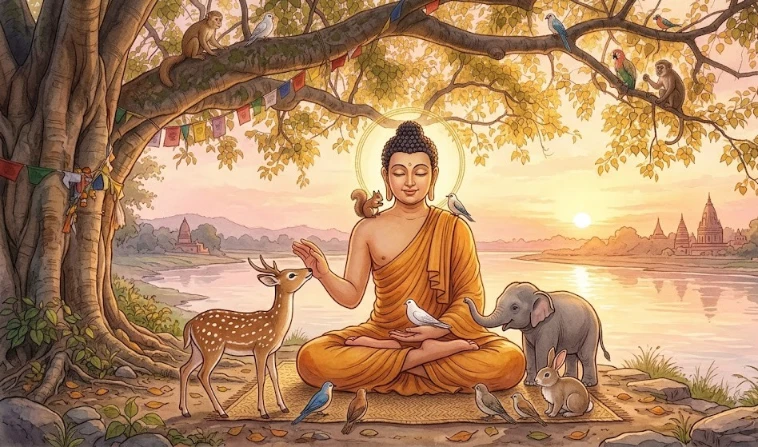
Metta meditation focuses on developing love and compassion toward oneself and others. It can be a beautiful addition to your daily practice.
- Begin with Yourself: Sit comfortably and take a few deep breaths. Silently recite phrases like “May I be happy, may I be healthy, may I be safe, may I live with ease.”
- Expand Your Circle: After nurturing love for yourself, visualize someone you care about and repeat the phrases for them. Gradually extend this to acquaintances, challenging individuals, and eventually to all living beings.
- Duration: Aim for 10-15 minutes during your morning routine or before bed.
3. Body Scan Meditation
This technique combines mindfulness with physical awareness, helping practitioners connect with their bodies and release tension.
- Lie Down Comfortably: Start lying on your back with your arms at your sides.
- Focus on Each Body Part: Begin at the toes and slowly move up to the crown of your head, consciously relaxing each part as you focus on it. Acknowledge any sensations without judgment.
- Breathe into Tension: If you notice areas of tension, take deep breaths, visualizing relaxation flowing into those spaces.
- Duration: This can last anywhere from 15 to 30 minutes, depending on your schedule.
4. Walking Meditation (Meditative Walking)
Walking meditation is a wonderful practice for those who find it challenging to sit still. It’s an opportunity to bring mindfulness into motion.
- Choose a Quiet Space: Find an area where you can walk back and forth without interruptions.
- Slow Down: Walk slowly, coordinatively breathing in and out with each step.
- Focus on Sensations: Pay attention to the sensations of your feet touching the ground, the movement of your legs, and the rhythm of your breath.
- Observing Surroundings: Allow yourself to be aware of your surroundings without identifying with them—just observe.
- Duration: Spend 10-20 minutes in walking meditation.
5. Guided Meditation
Guided meditation utilizes recorded instructions or live guidance to help you through the process. This can be particularly beneficial for beginners.
- Find a Resource: Use apps like Insight Timer, Headspace, or YouTube channels that offer guided sessions based on Buddhist principles.
- Follow Along: Listen to the narrative, allowing yourself to be taken through different visualizations or mindfulness exercises.
- Revisit Daily: Incorporate guided meditations into your weekly routine to explore various themes such as compassion, gratitude, or forgiveness.
6. Chanting and Mantra Meditation
Chanting can be a powerful way to focus the mind and cultivate a meditative state. Many Buddhists use mantras to concentrate.
- Choose a Mantra: Common mantras include “Om” or phrases such as “Gate Gate Paragate Parasamgate Bodhi Svaha” (from the Heart Sutra).
- Repetition: Sit in a comfortable position and repeat the mantra silently or aloud, allowing its vibrations to resonate within you.
- Focus Your Mind: If distractions arise, gently bring your focus back to the sound of your chanting.
- Duration: Spend 10-20 minutes chanting, which can be done alone or in a group setting.
Integrating Meditation into Daily Life
Meditation doesn’t have to be confined to your sitting practice. Here are some ways to integrate mindfulness into daily activities:
- Mindful Eating: Focus on the taste, texture, and smell of your food. Chew slowly and appreciate each bite.
- Mindful Listening: When conversing, listen fully to the other person without formulating your response while they speak.
- Breath Awareness: Throughout your day, take moments to pause and focus on your breathing, especially during stressful situations.
- Daily Affirmations: Start your day by reciting positive affirmations that align with Buddhist principles, such as compassion, patience, and understanding.
Daily meditation is a transformative practice that can bring peace, clarity, and compassion into your life. Inspired by Buddha’s teachings, these techniques encourage mindfulness and connection with yourself and the world around you. By integrating these practices into your daily routine, you open the door to a more profound understanding of your thoughts, emotions, and the nature of reality itself.
As you embark on this journey, remember that meditation is a practice, not a perfection. Be gentle with yourself and allow this wonderful tradition to unfold in your life over time. Embrace the path with an open heart, and you may find that it leads to a deeper understanding and appreciation of the present moment.